The dark stains creeping across rooftops aren’t just dirt—they’re biological, destructive, and potentially harmful to your home’s air quality. Learn what’s behind them, how to remove them safely, and how to prevent them from returning.
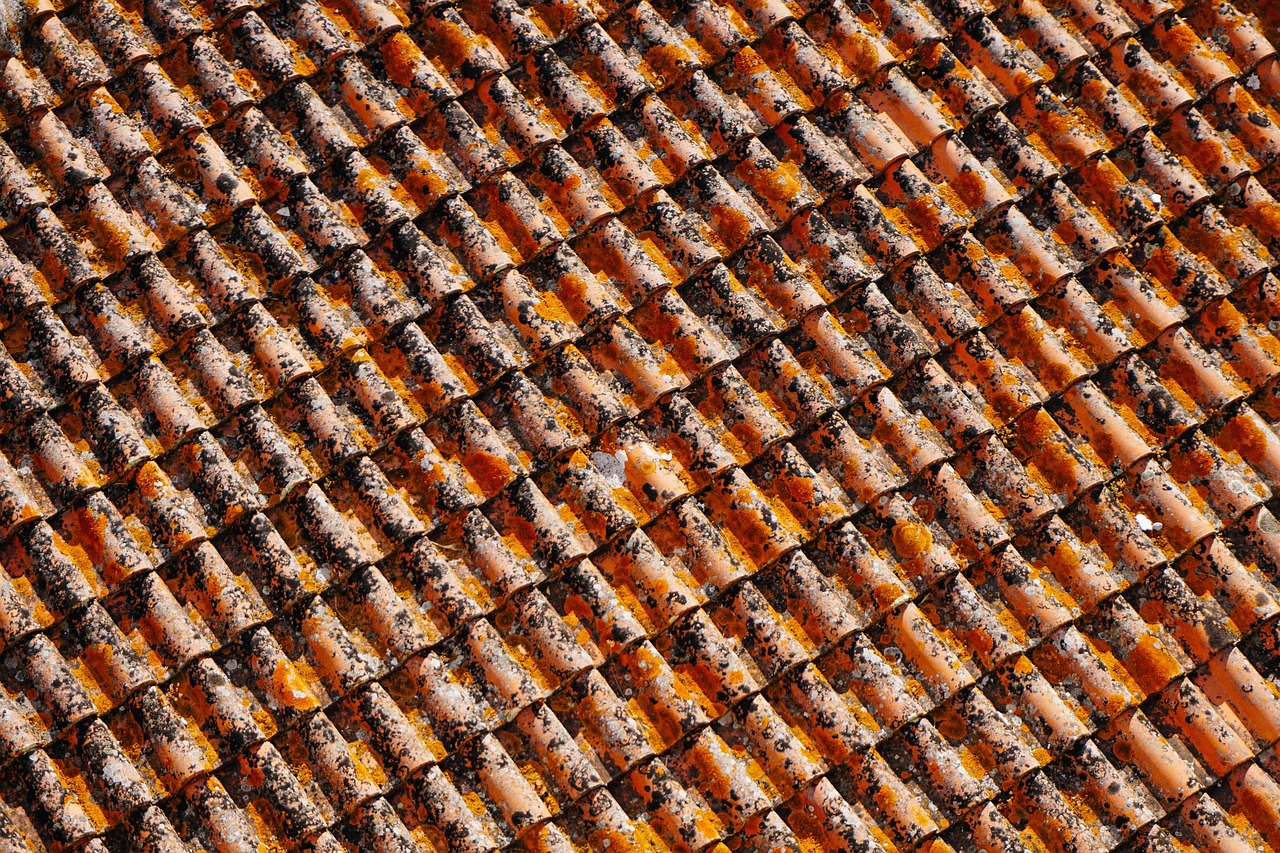
If your roof has started showing long, dark streaks—especially on shaded sides—you're not alone. These marks are often mistaken for dirt or wear, but the real culprit is biological: a type of blue-green microorganism called Gloeocapsa magma, which is actually a cyanobacterium (commonly referred to as blue-green algae). And it's doing more than making your roof look neglected—it may be shortening its lifespan and affecting your energy efficiency and air quality.
Gloeocapsa magma is a cyanobacterium that thrives in warm, humid environments. It's particularly attracted to the limestone filler (calcium carbonate) used in asphalt shingles, which it consumes to grow and spread. As it feeds, it loosens the protective granules on the shingles, weakening their structure and exposing the asphalt underneath.
The bacteria leave behind black, streaky pigmentation as part of their protective outer layer. This pigmentation absorbs more heat than clean shingles, raising roof and attic temperatures—and your energy bills.
Edwards Gutter Cleaning and Power Wash, Kansas , explain that this algae flourishes in shaded, north-facing roof slopes where moisture dries more slowly. Its spores spread through the air and can also be carried by birds, squirrels, and wind—making infestations common and often recurring.
Once established, the damp environment it creates encourages moss, mildew, and lichen growth, compounding the damage.
While the Asphalt Roofing Manufacturers Association (ARMA) states there's no conclusive evidence that Gloeocapsa magma causes direct structural damage, the side effects tell another story:
⚠️ When applying bleach or biocidal treatments, it's important to protect surrounding landscaping and vegetation from runoff to prevent environmental damage.
For these reasons, Edwards Gutter Cleaning and Power Wash recommends soft-wash systems suited to your roof's material. These methods safely eliminate algae while extending roof lifespan and protecting indoor air quality.
Once your roof is clean, keep it that way with a few proactive steps:
Black streaks may seem harmless at first—but the longer they're left untreated, the more they can cost you in roof repairs, energy bills, and potential health risks.
If you're unsure whether the streaks on your roof are algae, consulting a local expert can help. Professionals like those at use gentle, effective cleaning systems designed to remove harmful growth without damaging your roof's surface—preserving both your home’s structure and your family's wellbeing.


