Kansas homeowners face unique challenges when keeping white house siding spotless. Between tree shade, humidity, and seasonal pollen, bacteria and algae can turn clean exteriors dingy in months. Local cleaning professionals share effective—and safe—ways to restore your siding’s brightness without damaging it.
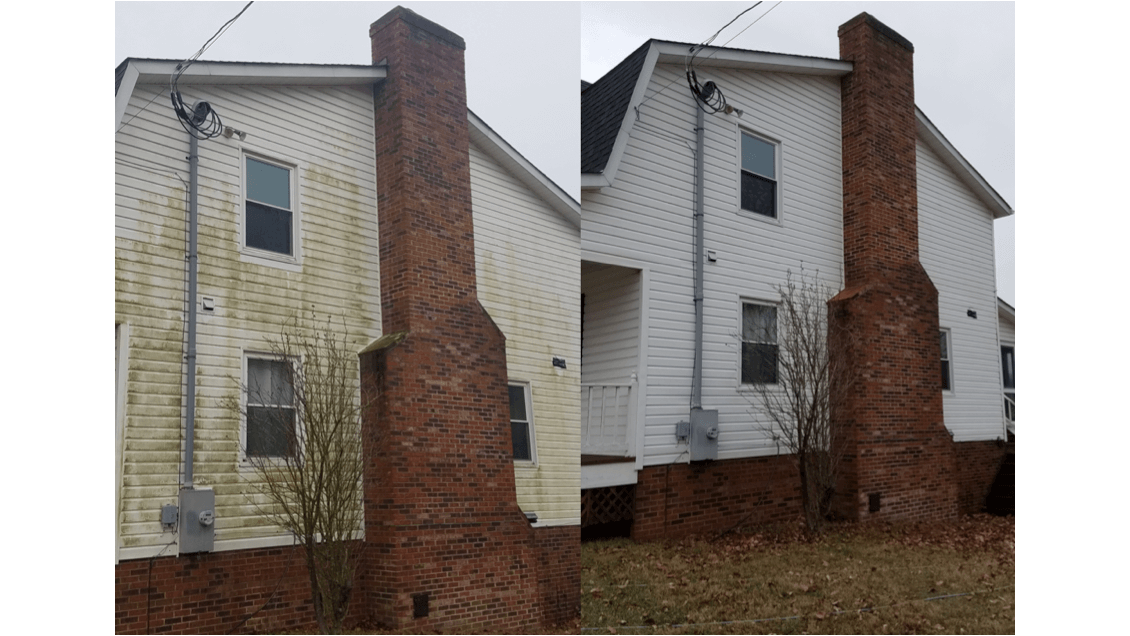
Those faint green streaks and black patches aren't just surface stains—they're living growth. Algae, fungi, and mildew thrive in Kansas's tree-dense neighborhoods, feeding on dust, moisture, and organic residue that cling to siding and roofing. Left unchecked, this buildup doesn't just dull your home's appearance; it can also trap moisture, warp panels, and invite pests.
According to exterior washing specialists at Edwards Gutter Cleaning & Power Wash, mild detergents or siding-safe cleaners outperform harsh chemicals such as bleach, which can damage materials and nearby landscaping. Regular washing also improves curb appeal and protects your investment from premature deterioration.
When it comes to cleaning methods, technique matters as much as the tools. Hand-washing with soft-bristle brushes or microfiber mops remains the gentlest option for light grime, especially when paired with a mild soap solution and a garden hose. The proper rinse sequence—bottom-up washing followed by a top-down rinse—helps prevent streaks and residue.
For heavier buildup, many professionals turn to soft-washing systems that combine low-pressure water with biodegradable cleaning agents. This method targets bacteria, algae, and fungi at their source without stripping paint or forcing water behind siding panels.
By contrast, pressure washing should be approached cautiously: Experts recommend keeping vinyl siding around 1,300-1,500 PSI and fiber-cement siding below 2,000 PSI, always from a safe 12-inch distance using a wide spray pattern. Excessive force can erode finishes or cause leaks—one reason experts advise professional service for multi-story homes.
Persistent biological stains call for targeted solutions rather than brute pressure. Material-safe biocidal cleaners or sodium-hypochlorite mixes (around 5% concentration with surfactants, as referenced in U.S. Patent 1996) effectively dissolve growth when followed by thorough rinsing. Keeping the surface wet during application prevents detergent streaking and residue.
Professional cleaners across Kansas note a shift toward eco-friendly soft-wash practices that balance effectiveness with environmental safety. These systems remove buildup while minimizing water use and avoiding chemical runoff into soil and drainage.
Local specialists emphasize that consistency matters more than intensity. "Homeowners often assume stronger pressure means cleaner siding, but the opposite is true," explains a representative from Edwards Gutter Cleaning & Power Wash. "Soft-wash approaches sanitize the surface without damaging it—and regular upkeep makes future cleanings easier.”
Industry research from the National Association of Realtors supports this view, showing that professional exterior cleaning can raise a property's resale value by $10,000-$15,000 while preventing costly repairs caused by untreated growth or moisture damage.
Your home's charm deserves to shine year-round. With the right tools, gentle techniques, and expert guidance, even weather-worn siding can look new again. For homeowners seeking professional support or advice suited to local climate, experienced cleaners such as Edwards Gutter Cleaning & Power Wash offer reliable, eco-safe solutions that protect both property and peace of mind.


