Could your water heater be costing you hundreds in wasted energy bills right now? Most homeowners don’t realize that a simple annual maintenance task could prevent a costly emergency replacement—and there’s one component you should check every 3 to 5 years to protect your investment.
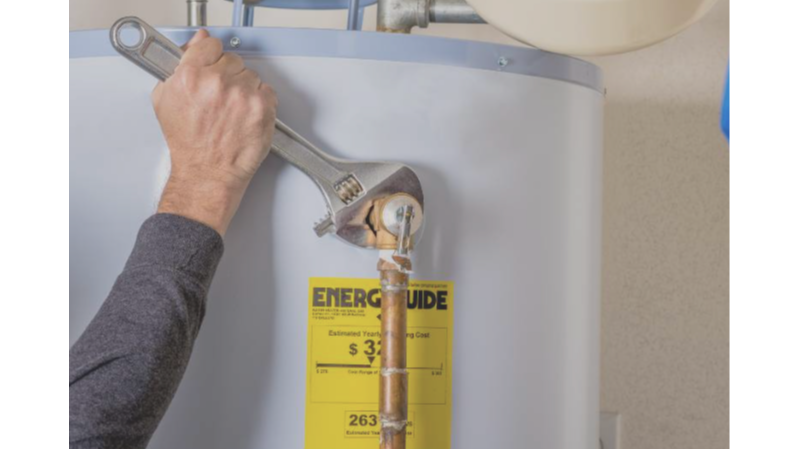
Water heater maintenance often gets overlooked until a frigid shower or a leak occurs. However, a consistent routine can save Birmingham homeowners significant money while ensuring reliable hot water year-round. Understanding the specific benefits of professional care helps prioritize this home maintenance task.
A properly maintained water heater typically lasts 8 to 12 years, with some high-quality models lasting longer. In contrast, neglected units often fail prematurely due to preventable issues. The difference usually comes down to sediment buildup and component deterioration.
In Alabama, where water can carry varying mineral loads, sediment accumulation acts as an abrasive and insulating layer inside the tank. Over time, this buildup wears down protective linings and creates localized corrosion points. When mineral deposits coat heating elements or burner assemblies, the system must work harder to achieve target temperatures, accelerating wear on critical components.
Replacing key parts during routine service prevents "cascade failures" that can destroy an entire system. Professional technicians recommend maintenance schedules tailored to local water conditions and the high seasonal demands of Alabama's climate.
Energy efficiency deteriorates gradually as water heaters accumulate sediment and lose proper calibration. These seemingly minor issues compound to create noticeable cost increases over time.
Sediment creates an insulating barrier between the heat source and the water. According to technical reviews by the U.S. Department of Energy (PNNL), scale and sediment buildup in gas storage water heaters can lead to a measurable decrease in efficiency. Gas units experience reduced heat transfer when sediment blocks the burner's path, while electric units must run heating elements longer to compensate for the "crust" that forms around them.
Annual tank flushing removes these accumulated minerals, restoring optimal heat transfer. This is particularly vital for Birmingham homeowners, as local mineral concentrations can lead to rapid scaling if left unaddressed.
Many older water heaters were factory-set to 140°F. However, the Department of Energy notes that reducing the temperature to 120°F is often sufficient for most households. This 20°F reduction can lower water heating costs significantly—sometimes by more than 10%—while also reducing the risk of accidental scalding.
Proper temperature calibration also slows the rate of tank corrosion and mineral precipitation. Modern digital thermostats provide more precise control than older dial systems, maintaining consistent temperatures that minimize energy waste.
Heat loss occurs continuously through tank walls and connection points, known as "standby loss." Insulation degradation or poor installation practices increase energy consumption even when no hot water is being used. Adding a tank jacket or insulating the first few feet of hot and cold water pipes can reduce these losses. These improvements provide immediate energy savings and reduce the total workload on your heating elements or gas burners.
Water heater safety failures can lead to property damage or serious injury. Regular maintenance identifies potential hazards before they require emergency intervention.
Gas-fired water heaters require precise venting and airflow to operate safely. Blocked vents, damaged flue pipes, or loose gas connections can lead to carbon monoxide accumulation or gas leaks. Annual inspections include checking gas line integrity and vent clearance. Professional technicians use specialized equipment to detect leaks that are often invisible to the naked eye.
The T&P valve is the most critical safety device on your water heater. It prevents the tank from exploding by releasing water if internal pressure or temperature exceeds safe limits. Mineral buildup can "freeze" these valves shut. Testing involves manually lifting the lever to ensure water discharges and the valve reseats correctly. Any valve showing signs of leakage or mineral clogging requires immediate replacement.
Water temperatures above 120°F can cause severe burns in seconds, particularly for children and older adults. Faulty thermostats can allow dangerous temperature spikes. Verification with a calibrated thermometer during a maintenance visit ensures your system is operating within a safe range.
While professional maintenance involves a modest annual fee, major repairs or emergency replacements can cost significantly more. A proactive approach addresses the following:
Flushing the tank removes sediment before it hardens into "scale" that is difficult to remove. The process involves draining the tank until the water runs clear. In Birmingham, where mineral content can be high, this step is the primary defense against premature tank failure.
The sacrificial anode rod is a magnesium or aluminum rod that protects the steel tank from corrosion by "sacrificing" itself—attracting the corrosive elements in the water. Hence, they attack the rod instead of the tank walls. Once the rod is depleted, the tank begins to rust from the inside out. Checking this rod every few years is the single best way to double the life of your water heater.
Beyond the tank itself, technicians inspect electrical connections, heating elements, and gas burners. Catching a failing heating element early is much cheaper than dealing with a total loss of hot water on a holiday weekend.
Maintained water heaters produce cleaner water. By eliminating sediment and reducing internal corrosion, you avoid the "rusty" or "gritty" water that often plagues neglected systems. Furthermore, a fresh anode rod can help prevent the "rotten egg" odor (hydrogen sulfide) that sometimes develops in hot water tanks.
Regular maintenance also ensures the tank stays clean and reaches temperatures high enough to prevent bacterial growth, ensuring your water is safe for bathing, cleaning, and cooking.
Professional water heater maintenance provides peace of mind and long-term cost savings. Qualified technicians understand the regional water conditions in the Birmingham metro area—from Hoover and Vestavia Hills to Mountain Brook and beyond—and can tailor their service to your specific neighborhood's needs.
Whether you have a standard tank or a high-efficiency system from leading brands like Carrier or Rheem, seasonal maintenance prepares your home for peak demand. By addressing efficiency and safety concerns now, you extend the life of your equipment and keep your monthly utility bills under control.
For expert plumbing and water heater services in Birmingham, trust a professional team that understands the importance of keeping your home comfortable and safe year-round.


