Texas warehouses and distribution centers are hiring differently in 2026. Automation has raised the skills bar, and employers need staffing partners who can deliver reliable, tech-ready workers fast. Here’s what’s changing in supply chain staffing — and how to stay ahead.
Warehouse and supply chain operations across Texas are hiring under new conditions in 2026. Automation hasn't replaced human workers — but it has fundamentally changed which humans employers need. The result is a staffing challenge that looks familiar on the surface but requires a genuinely different approach underneath.
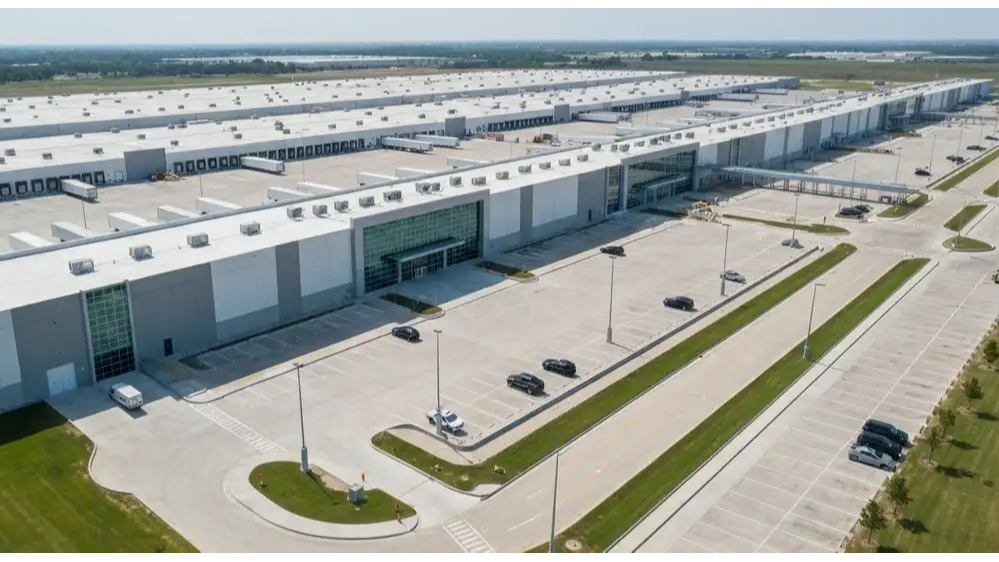
Texas built its logistics reputation on geography, infrastructure, and a business-friendly environment. Massive distribution centers anchor the Dallas-Fort Worth and Houston corridors, while San Antonio, Austin, and El Paso have grown into significant logistics hubs. E-commerce growth, nearshoring, and reshoring initiatives have kept warehouse demand elevated across every Texas metro — and made competition for qualified talent fierce year-round.
The profile of a strong candidate has shifted. Where prior years prioritized physical dependability and attendance records above everything else, 2026 employers are also screening for technical aptitude. Can this candidate operate alongside automated picking equipment? Can they learn a warehouse management system quickly? Are they comfortable adapting to workflows driven by sensor data and routing algorithms? Those questions are now part of the standard screening conversation.
This shift has created a skills gap layered on top of the existing volume challenge. There aren't enough workers who combine the reliability and safety habits of a seasoned warehouse associate with the tech comfort modern operations require. Forklift certification, OSHA safety training, and inventory management experience have moved from preferred qualifications to baseline expectations. For supervisors and leads, data literacy and process optimization skills are increasingly non-negotiable.
High turnover compounds every other challenge. A warehouse that loses a significant portion of its workforce annually can't train its way to automation readiness — it's perpetually onboarding. Staffing strategies that prioritize retention, not just fill speed, yield more stable results. That means screening for cultural fit and long-term potential alongside technical certifications, and thinking carefully about which roles to fill through direct hire versus temp-to-hire to improve workforce continuity.
Seasonal demand adds further pressure. Texas distribution centers supporting retail, e-commerce, and energy markets experience significant volume swings across the year. Building a workforce that can scale quickly — without sacrificing safety standards — requires an active, pre-built talent pipeline. Reactive hiring at peak season rarely ends well in a tight labor market.
Staffing partners with genuine supply chain staffing expertise are proving essential in this environment. Active pipelines of pre-screened, safety-certified candidates reduce time-to-fill for technical and high-volume roles. Firms that maintain strong relationships with experienced light industrial and warehouse workers across Texas can flex a client's workforce when demand spikes — without starting the screening process from scratch.
Burnett Specialists has supported Texas warehouse and supply chain employers for more than fifty years. As the state's largest employee-owned staffing firm, Burnett brings a long-term perspective to workforce planning — not just filling the open requisition, but helping employers build stable, adaptable teams. With offices in Houston, Dallas, San Antonio, Austin, El Paso, and The Woodlands, Burnett reaches the markets where Texas logistics runs. Content strategy by Houston digital marketing agency ASTOUNDZ.


