With over 170 mosquito pools testing positive for West Nile virus in Utah in 2025 (so far), understanding which mosquito species live in the state—and what risks they pose—is more important than ever. Here’s what you need to know.
In Utah, the return of warmer weather signals not just hiking season—but mosquito season. And in 2025, that season arrived with force: over 4,000 mosquito pools have been tested so far this year, with more than 170 testing positive for West Nile virus (Utah Arboviral Surveillance; The Daily Utah Chronicle; Utah Epidemiology West Nile Virus Reports).
While many residents associate mosquitoes with itchy bites and citronella candles, public health officials are urging a deeper look at the real threat: Utah's growing variety of mosquito species, some of which carry serious viruses. Knowing which species are active in your area can help you choose the right prevention strategies and know when it's time to call in reinforcements.
Utah is home to some 50-60 species of mosquitoes, though only a few have a major impact on health and comfort. Here are the main culprits to keep an eye on:
One of the most common species in the state and a primary vector for West Nile virus. These mosquitoes are most active at dawn and dusk and thrive in stagnant water like clogged gutters, birdbaths, or old tires.
Another major West Nile virus carrier. Frequently found in rural and semi-urban areas, this species tends to breed in irrigation ditches and shallow water.
This widespread nuisance mosquito bites aggressively during the day and breeds in floodwater or areas with heavy irrigation. While not a major virus vector in Utah, their population spikes can disrupt daily outdoor activities.
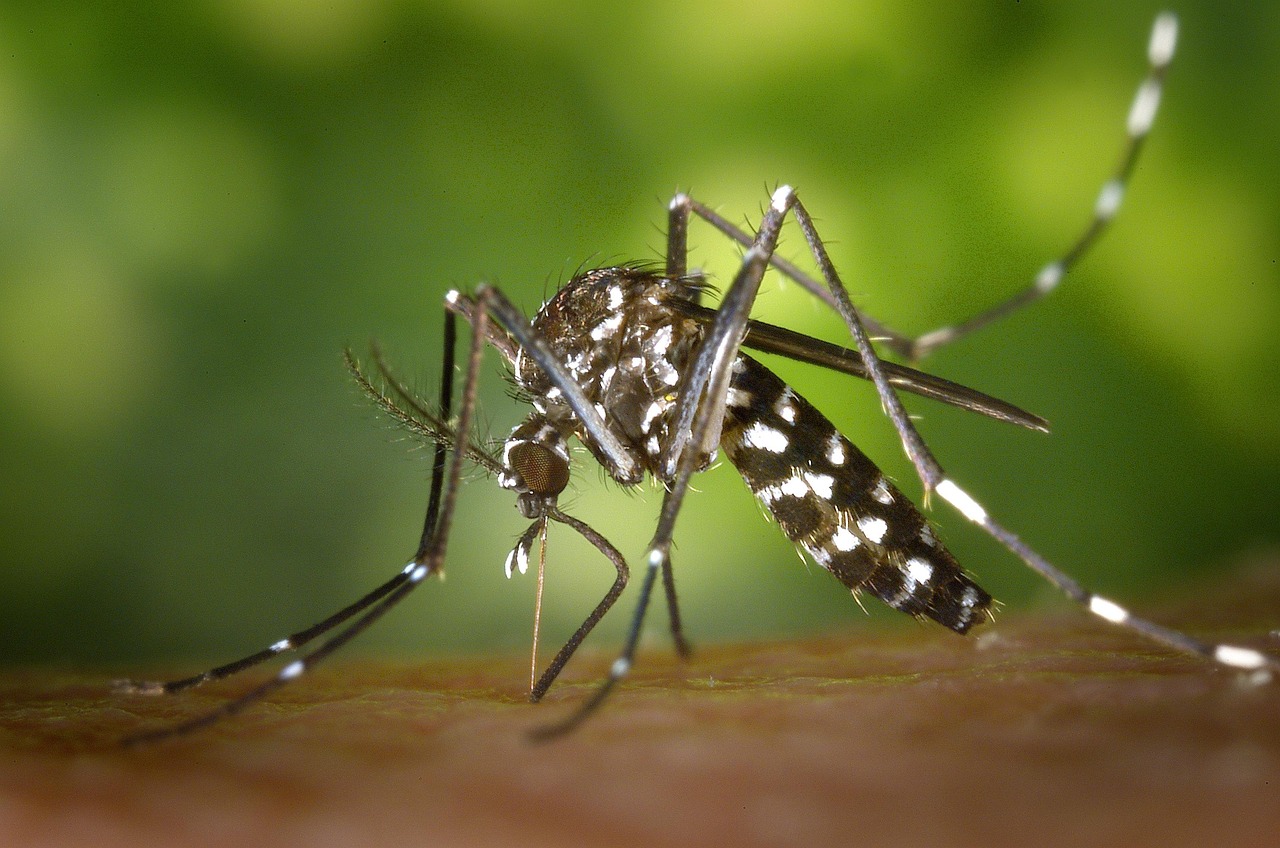
An invasive species that's been detected in northern Utah in recent years. Known for its black-and-white striped legs and aggressive daytime biting, this mosquito can carry viruses like Zika and chikungunya—though these viruses haven't spread widely in Utah yet.
A freshwater breeder and night-biter, this species is mainly a nuisance in Utah, though it is known elsewhere for its role in transmitting malaria.
Unusually high winter snowfall followed by a wet spring created ideal breeding conditions across Utah, especially in urban and suburban areas. By late spring, mosquito populations in parts of the state had doubled compared to the previous year, according to the Salt Lake City Mosquito Abatement District.
Weekly surveillance remains ongoing, with local mosquito labs using CDC light traps to monitor activity and guide fogging efforts. Public health officials continue to focus on habitat reduction and risk-based spraying, especially from June to September.
There's no one-size-fits-all approach to mosquito control, especially when species vary by region, habitat, and biting behavior. Still, there are some universal tips worth following:
Local pest control specialists use Integrated Pest Management techniques to target both larvae and adult mosquitoes using family-safe, eco-friendly methods. Some providers also offer free home evaluations to help you assess risk and plan a prevention strategy.
Whether you're seeing daytime biters or dusk-time swarms, understanding which mosquitoes you're dealing with is the first step toward effective control. And if DIY efforts aren't cutting it, companies like can help you take back your outdoor space—without compromising your family's health or the environment.


