Autumn for many homeowners means the arrival of the dreaded boxelder and elm seed bug infestation. But how do these unpleasant pests enter the home? And what can you do to keep them out for good?
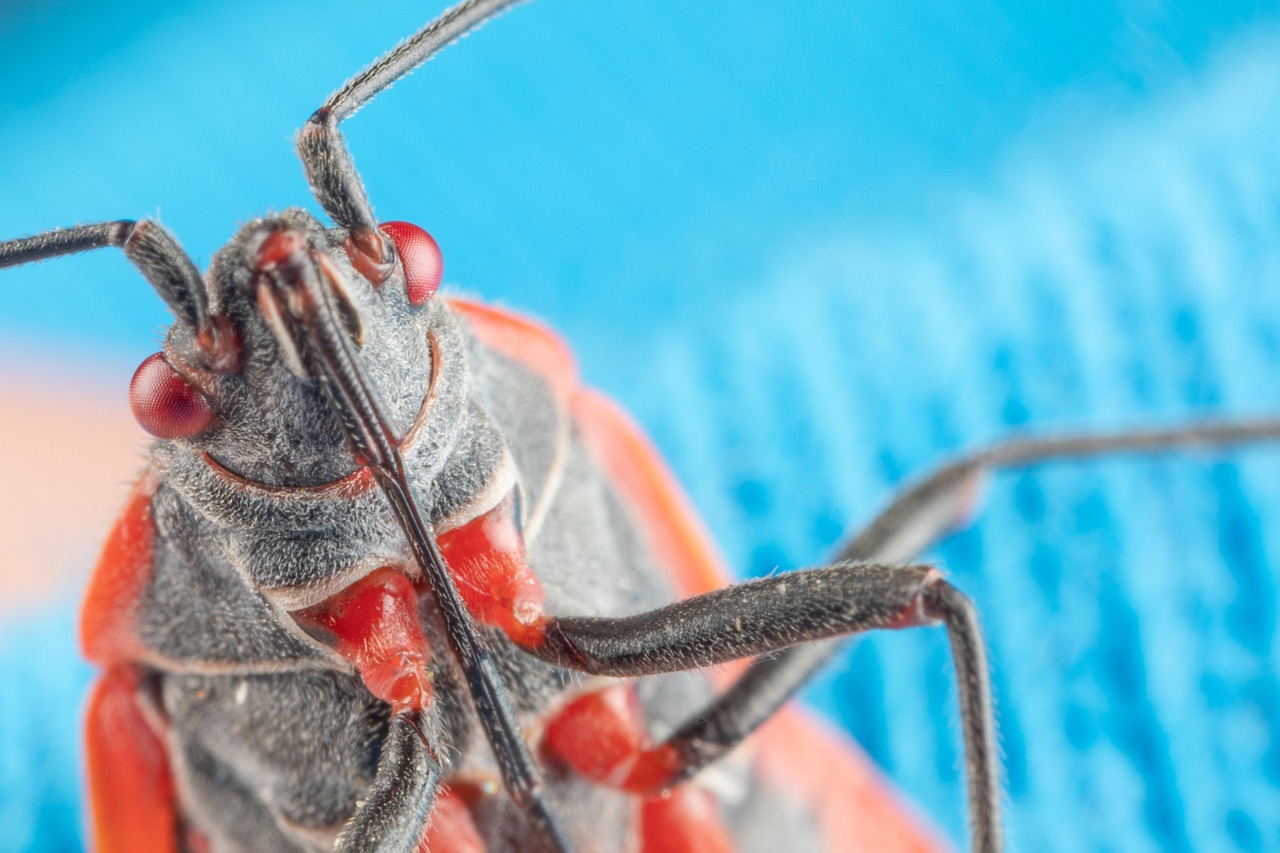
You've surely seen them: black-and-orange bugs a little smaller than your fingernail, with a pattern that sort of looks like an X, or a cape, if you're feeling charitable. These are boxelder bugs or, depending on where you are located, they could be the close boxelder relative, the elm seed bug.
Are these little pests dangerous? No, not necessarily. Are they annoying? Most certainly. When they enter the home, they do so in large numbers, typically amassing in crawl spaces or near the home's foundation and exploiting any potential weakness in your home's defenses to make themselves comfortable. They also leave behind nasty droppings, and they stink when squashed - not the ideal house guest!
As autumn begins and the weather starts to cool, many species of pests begin their migration into indoor spaces for the winter, seeking warmth and shelter. Unfortunately, as Pickett Pest Control explains, homes are the most accessible form of shelter for these bugs, which can mean full-scale invasion for homes that are not properly sealed.
In the case of boxelder and elm seed bugs, their natural instinct is to clump together in large numbers to conserve warmth in the colder months. In nature, this wouldn't be a problem; boxelder colonies favor tree hollows, particularly those found in their namesake boxelder trees. In residential areas, however, your home is a much-preferred alternative.
As previously mentioned, these pests enter the home through a number of different vectors, most of which you probably give little to no thought on a day-to-day basis.
Let's explore the most common points of entry, and what you can do to seal them off.
In most cases, chemical treatments do the trick to keep bugs from crossing the threshold. However, in some cases, deeper repairs, such as the application of sealant and caulking, may be necessary to treat the issue for good.
Experts emphasize the importance of preventative actions, as the same vectors that boxelder and elm seed bugs use to enter the home can also be used by more harmful pests like roaches and termites. Contacting a qualified local exterminator to inspect your home and deal with your infestation problems is the only true way to keep all pests, no matter how harmful, out of your life for good.


