Ever wondered why tennis champions like the Williams sisters and Novak Djokovic swear by ice baths after every match? The answer involves a “vascular pump effect” that’s transforming recovery for racket sport athletes—but timing is everything, and most players get it wrong.
Tennis legends Venus and Serena Williams built their championship careers on more than just powerful serves and lightning-fast footwork. Both sisters incorporated ice baths into their recovery routines to reduce muscle inflammation and soreness, contributing significantly to their longevity in professional tennis. Novak Djokovic, recognized for his exceptional resilience and stamina on court, utilizes cold water immersion as a fundamental part of his recovery protocol.
The world's most prestigious tennis tournament has taken notice. The All England Lawn Tennis Club (AELTC), host of the Wimbledon Championships, has invested in advanced CET CryoSpas to enhance player recovery and aid in injury prevention. This cutting-edge recovery technology highlights just how seriously elite tennis takes post-match therapy.
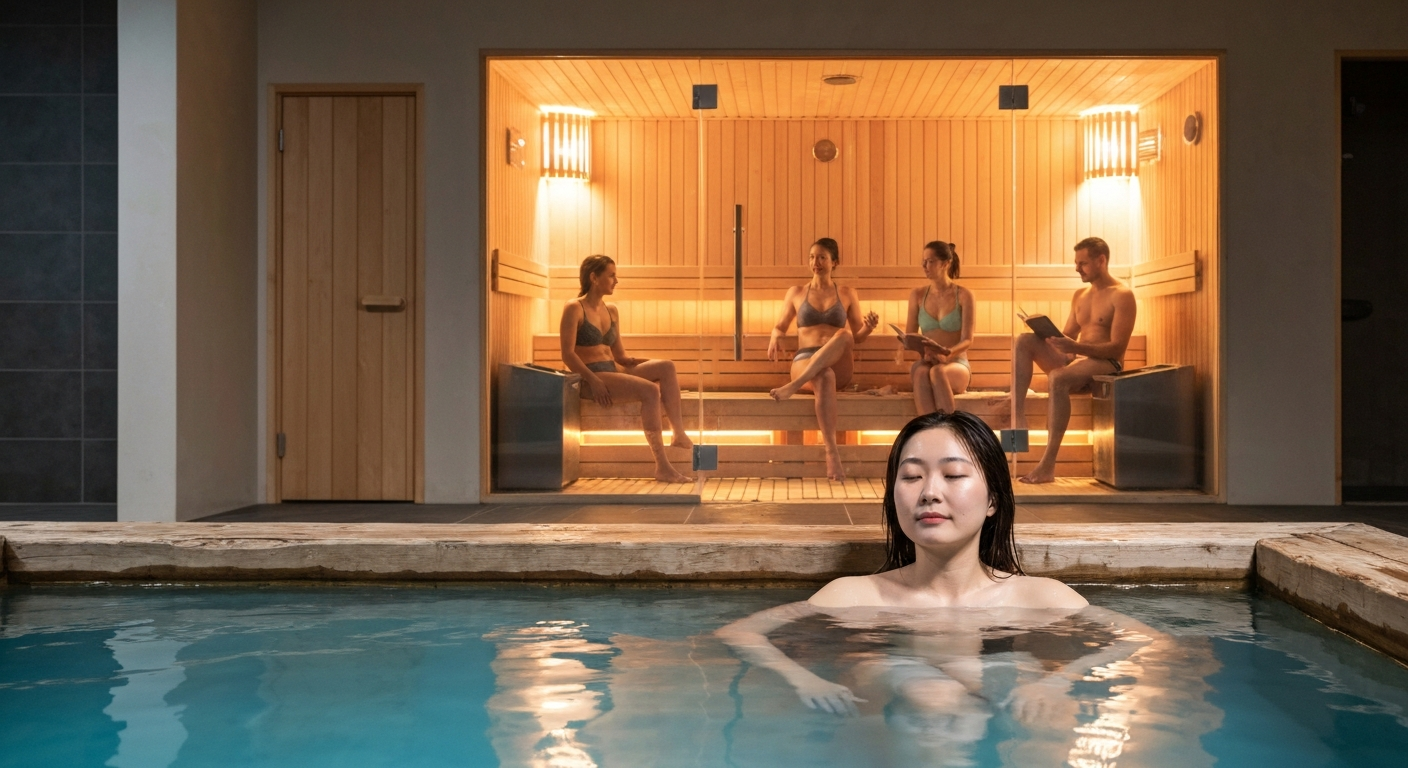
Racket sports place unique demands on the body through explosive lateral movements, repetitive overhead motions, and sudden directional changes. Professional sports clubs are increasingly incorporating thermal therapy facilities to address these specific recovery needs. The combination of cold plunge and sauna therapy offers racket sport enthusiasts a scientifically-backed approach to managing the physical toll of their sport.
Tennis elbow, rotator cuff strain, and knee overuse injuries can benefit from contrast therapy. The repetitive nature of racket sports creates microtrauma in tendons and ligaments that thermal treatments can help address. Cold therapy reduces acute inflammation in these areas, while heat therapy promotes healing blood flow to chronically tight muscles.
Ice baths have proven remarkably effective for tennis players in reducing muscle soreness and fatigue, enabling them to maintain high performance throughout tournaments. Cold therapy, involving water temperatures between 50-59°F (10-15°C), represents a scientifically supported technique that reduces inflammation, decreases muscle soreness, and enhances recovery speed specifically for racket sport athletes.
The rapid acceleration and deceleration required in tennis, badminton, and squash creates significant delayed onset muscle soreness (DOMS). Cold plunges substantially lower DOMS levels immediately after exercise and up to 24 hours later. Blood vessels narrow during vasoconstriction when cold water hits the body, reducing blood flow to peripheral muscles and limiting swelling. This process proves particularly beneficial for the quadriceps, calves, and glutes that power explosive court movements.
Racket sports involve repetitive stress on shoulders, elbows, and wrists through serving and hitting motions. Cold therapy helps tennis players reduce swelling, pain, and prevent long-term injury complications after intense matches or practice sessions. The anti-inflammatory effects of cold water immersion target the specific joint stress patterns common in racket sports, offering protection against chronic overuse injuries.
Cold exposure creates remarkable neurochemical changes, triggering significant increases in dopamine and noradrenaline that last several hours. These brain chemicals improve alertness, motivation, and cognitive function - crucial elements for maintaining concentration during long tournament matches. Cold exposure also stimulates the prefrontal cortex, developing "top-down control" that builds resilience useful in high-pressure competitive situations.
Athletes who use cold plunges show substantially better power output the next day compared to those who skip cold therapy. Results stand out especially with explosive movements like serving and volleying. However, timing matters critically - cold plunging works best immediately after cardio-heavy training, but athletes should wait several hours after strength training to avoid disrupting muscle adaptation and growth.
Sauna sessions create physiological changes that give racket sport athletes measurable performance advantages. Heat therapy works synergistically with cold therapy, but offers distinct benefits that directly address the demands of court sports.
Sauna sessions raise heart rate to 120-150 beats per minute, matching moderate-intensity aerobic exercise without the physical stress. This "passive cardio" effect dilates blood vessels and improves circulation throughout the body. Research shows regular sauna use can boost plasma volume by 7-17%, helping deliver more oxygen and nutrients to working muscles. Distance runners saw a 32% improvement in run time to exhaustion after three weeks of post-exercise sauna sessions - benefits that translate directly to court endurance.
Heat penetrates deep into muscle tissues, making them more elastic and reducing tension. Warm muscles have more pliable collagen fibres that improve range of motion - crucial for the wide reaching shots and defensive stretches required in racket sports. Spending a few minutes in a dry sauna after cool-down significantly aids muscle recovery for badminton players by relaxing tight muscles, increasing blood circulation, and reducing post-play stiffness.
The repetitive overhead motions in serving and overhead shots create chronic tightness in the shoulder girdle and forearm muscles. Heat therapy benefits badminton and tennis players by relaxing tight muscles, improving blood flow, and reducing stiffness before mobility sessions. Sauna use stimulates production of heat shock proteins, which accelerate recovery and repair of muscle tissues, helping prevent long-term damage from overuse.
Professional tennis facilities have established precise parameters for thermal recovery that recreational players can adapt for maximum benefit.
Professional recovery facilities maintain ice baths at carefully controlled temperatures with specific immersion protocols designed for elite competition demands. The recommended protocols include 6-10 minutes post-game and 4-8 minutes post-training to minimize muscle soreness and reduce inflammation. These standards represent the gold standard for professional tennis recovery.
For cold therapy, water temperature should range between 50°F and 59°F (10°C to 15°C) for optimal benefits. Beginners should start with 1-2 minute sessions at the warmer end of this range before progressing. Sauna temperatures should be maintained between 150-195°F (66-91°C) for therapeutic benefit. The key lies in consistent exposure rather than extreme temperatures.
Timing determines effectiveness. Sauna sessions before workouts help loosen muscles while brief cold exposure boosts alertness for training. Post-workout contrast therapy speeds recovery and reduces soreness. Cold plunging works best immediately after cardio-intensive court sessions, while waiting several hours after strength training prevents interference with muscle protein synthesis.
The real magic happens when heat and cold work together in carefully structured sequences that maximize physiological benefits.
Athletes who alternate between sauna and cold plunge create a powerful "vascular pump" effect. Sauna heat relaxes muscles so they respond better to subsequent cold therapy. The rapid transition from heat to cold tightens blood vessels and helps flush toxins and inflammatory compounds from muscle tissues. This temperature cycling triggers a strong recovery response that improves muscle repair, reduces soreness, and helps prevent injuries.
Start with sauna (150-195°F) to prepare the body, then take a brief rest to cool naturally before entering the cold plunge. Allow the body to warm up naturally rather than taking hot showers between cycles. Repeat this cycle 2-3 times per session to maximize benefits, always ending with the cold phase to prevent inflammation. Athletes benefit most from 2-3 contrast therapy sessions each week - daily cold plunging can actually hurt long-term performance gains, especially after resistance training.
Professional-grade recovery doesn't require championship-level budgets, but it does benefit from proper facilities and expert guidance. Modern sports clubs are designing recovery spaces that rival professional tennis facilities, with precise temperature controls, proper safety protocols, and integrated wellness programming. The combination of expert supervision, optimal equipment, and community support creates an environment where recreational racket sport enthusiasts can access the same recovery methods used by touring professionals.


