Spring in Northern Virginia means more than blooming flowers; it also brings five destructive insects that could already be silently damaging your home’s structure. One species becomes active at just 35°F, weeks earlier than most homeowners expect.
According to local pest control experts, spring's arrival in Northern Virginia brings warmer weather, blooming flowers — and the awakening of numerous pest species. As temperatures rise above 50 degrees Fahrenheit, insects that have been dormant throughout winter begin their seasonal activity cycles, often seeking food, shelter, and breeding opportunities around residential properties. However, some pests like blacklegged ticks become active at temperatures as low as 35°F. That means you'll see them far sooner than you'd expect.
The transition from winter to spring triggers significant pest activity across the NOVA region. According to insect control experts, five key species pose particular challenges for homeowners during this seasonal shift. Understanding their behavior patterns, identifying early warning signs, and implementing preventive measures can save thousands of dollars in potential damage and protect family health. Professional pest control companies typically see increased service calls during March and April as these insects become active.
Each species follows distinct emergence patterns tied to specific environmental triggers. Soil temperature, moisture levels, and daylight duration all influence when these pests begin their spring activity. Homeowners who recognize these patterns gain valuable time to implement protective measures before infestations establish themselves.
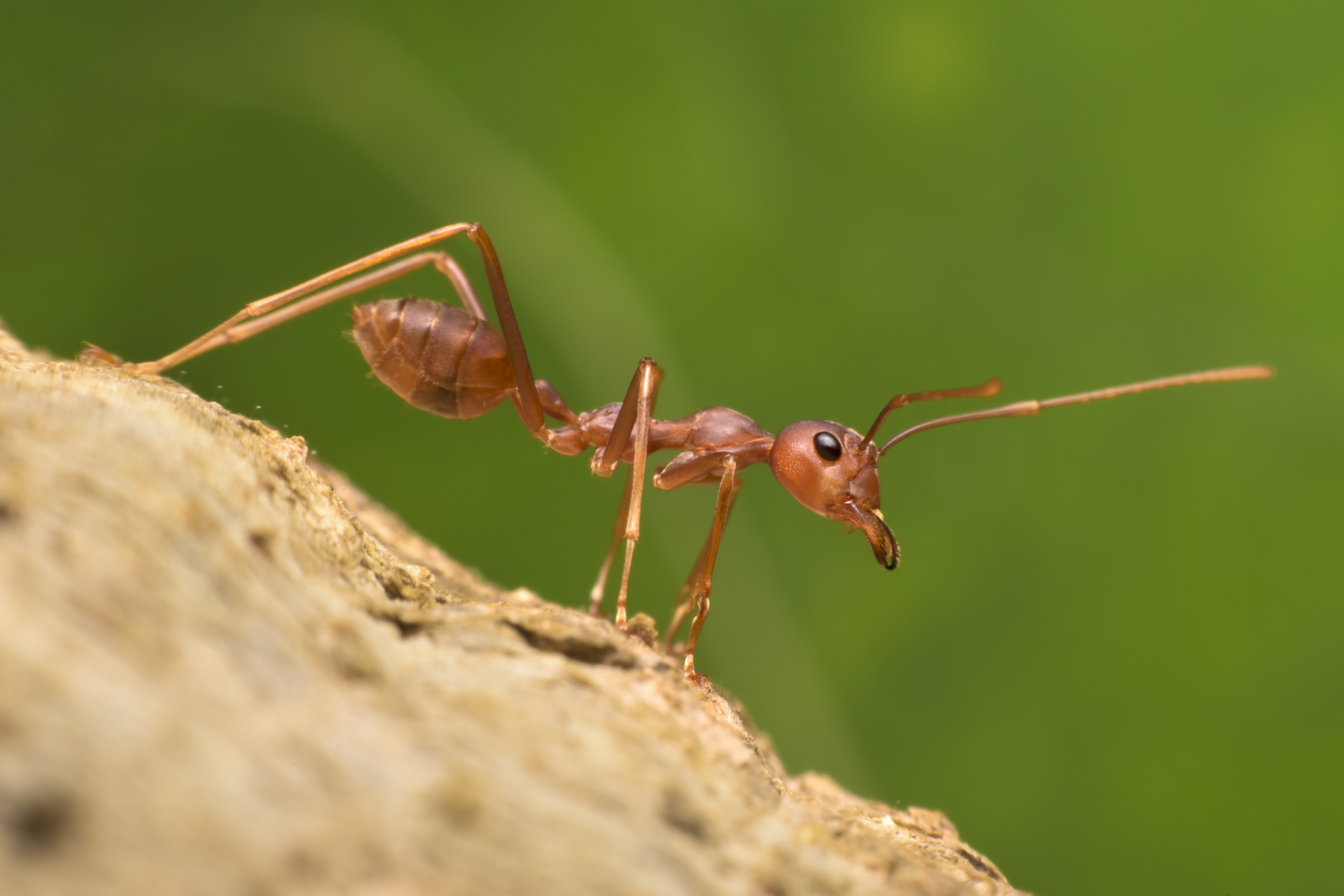
Carpenter ants represent one of the most destructive spring pests in NOVA, though termites often cause more significant and faster damage to wooden structures. Unlike termites that consume wood, carpenter ants excavate tunnels through wooden structures to create nesting galleries. These industrious insects can cause extensive structural damage, making prevention critical.
Spring weather creates ideal conditions for carpenter ant colony expansion. As temperatures warm, worker ants venture out to establish satellite colonies, often targeting homes with moisture-damaged wood. Northern Virginia's humid climate and frequent spring rains create perfect conditions around foundations, windowsills, and roof lines where wood stays damp.
These ants prefer softened wood that's easier to excavate. Areas around leaky pipes, poorly ventilated bathrooms, and damaged gutters become prime targets. The insects follow moisture gradients, leading them directly to structural vulnerabilities that homeowners might not notice until significant damage occurs.
Early detection saves thousands in repair costs. Homeowners should listen for faint rustling sounds within walls, especially during quiet evening hours when carpenter ants are most active. Wood shavings or sawdust near baseboards, windowsills, or door frames indicate active excavation.
Visible ant trails leading to and from wooden structures signal established colonies. Large, black ants with defined waists appearing suddenly indoors, particularly near moisture sources, warrant immediate attention. Hollow-sounding wood when tapped suggests internal tunnel systems already exist.
General carpenter ant damage repairs typically cost between $250 and $500, though significant infestations can reach $3,000 to $8,000 if structural elements need replacement. Preventive treatments cost a fraction of these amounts. The insects can compromise load-bearing structures, requiring extensive renovation work that disrupts daily life for weeks or months.
Experts recommend eliminating moisture sources, sealing entry points, and maintaining proper ventilation in crawl spaces and attics as the first line of defense. Professional inspection and treatment during early spring prevents colony establishment and protects long-term structural integrity.
Northern Virginia's mosquito populations are annoying, yes - but they also pose serious health risks, transmitting viruses that can cause severe illness in humans and pets.
Mosquito activity typically increases as temperatures warm, though Asian Tiger Mosquito eggs are stimulated to hatch when water temperatures exceed 60°F rather than the general 50°F threshold. Asian Tiger Mosquitoes, now established throughout the region, breed in any standing water source, no matter how small, laying their eggs on the sides of containers just above the water surface. A bottle cap filled with rainwater can produce dozens of mosquitoes within weeks.
Spring's frequent rain showers create countless breeding opportunities in clogged gutters, plant saucers, children's toys, and decorative water features. Female mosquitoes need only tiny amounts of stagnant water to complete their reproductive cycle, making property-wide water management essential.
Local mosquito populations carry several dangerous pathogens, including West Nile Virus, Eastern Equine Encephalitis, and La Crosse Encephalitis. The Virginia Department of Health monitors mosquito-borne disease activity, with positive cases reported annually across local counties.
Children, elderly residents, and immunocompromised individuals face higher risks from mosquito-borne illnesses. Severe allergic reactions to mosquito bites can require medical attention, while excessive scratching leads to secondary bacterial infections.
Spring termite swarms represent one of nature's most concerning pest events for homeowners. These reproductive flights indicate established colonies are mature enough to spread, potentially meaning structural damage already exists within nearby properties.
Termite swarms typically occur after spring rainfall when soil moisture and temperature conditions align perfectly. NOVA experiences peak swarming activity between March and May, with warm, humid days following rain showers creating ideal flight conditions.
Swarmers appear suddenly in large numbers, often mistaken for flying ants. These reproductive termites seek new locations to establish colonies, flying toward light sources and often gathering around windows, doors, and outdoor lighting fixtures.
Accurate identification prevents unnecessary panic while ensuring an appropriate response to genuine threats. Termite swarmers have straight antennae, equal-length wings, and thick, straight waists. Their discarded wings accumulate near windowsills and entry points after mating flights.
Flying ants display bent antennae, unequal wing lengths, and defined wasp-like waists. While less destructive than termites, flying ants still indicate moisture problems that require attention to prevent other pest issues.
Northern Virginia's tick populations become highly active during the spring months, posing significant health risks to families and pets. These parasitic arthropods transmit numerous diseases, with Lyme disease being the most common concern for residents.
The Virginia Department of Health confirms Lyme disease cases throughout NOVA counties annually. Blacklegged ticks (deer ticks) that transmit Lyme disease become active when temperatures exceed 35°F, making spring outdoor activities particularly risky without proper precautions.
Early Lyme disease symptoms include fatigue, fever, headache, and the characteristic bull's-eye rash. Without prompt antibiotic treatment, the infection can spread to joints, heart, and nervous system, causing long-term health complications that dramatically impact quality of life.
Effective tick prevention combines landscape management, personal protection, and regular inspection routines. Maintaining short grass, removing leaf litter, and creating gravel barriers between wooded areas and living spaces reduces tick populations near homes.
Daily tick checks after outdoor activities, especially around hairlines, armpits, and behind knees, catch attached ticks before disease transmission occurs. Pet tick prevention requires year-round veterinary-approved treatments, as domestic animals often bring ticks indoors.
Spring marks the beginning of stinging insect colony development throughout the region. Queen wasps and yellow jackets emerge from winter hibernation to establish new nests, starting small but growing rapidly throughout the warm season.
Paper wasps begin nest construction in protected areas like eaves, porch ceilings, and outdoor furniture. Yellow jacket queens seek ground cavities, wall voids, and attic spaces for colony establishment. Both species become increasingly aggressive as colony sizes expand through summer months.
Early spring nests are started by the founding queen alone, who then lays eggs and feeds the larvae before workers emerge to expand the nest. Once colonies mature, they can contain thousands of aggressive defenders capable of multiple stings, creating dangerous situations for unsuspecting homeowners.
Spring prevention focuses on eliminating attractive nesting sites and food sources. Sealing gaps around eaves, vents, and siding prevents queens from accessing protected areas. Removing food debris, covering garbage cans, and cleaning outdoor dining areas reduces foraging opportunities.
Professional treatment of newly established nests ensures complete elimination without dangerous confrontations. DIY removal attempts often result in painful stings and incomplete nest elimination, allowing colonies to rebuild in nearby locations.
Spring pest management requires professional expertise to address multiple species simultaneously. Many professional programs provide year-round protection against emerging spring insects and seasonal pest challenges throughout Northern Virginia. Look for customized treatment plans that include regular inspections, targeted treatments, and guaranteed satisfaction with same-day service availability.
Professional pest control services offer several advantages over DIY approaches, including access to professional-grade treatments, species-specific knowledge, and ongoing monitoring systems that catch problems before they become expensive infestations. Seasonal treatment timing aligns with pest biology, maximizing effectiveness while minimizing environmental impact.


