If your air conditioner is more than 15 years old, you might be sitting on a time bomb… and wasting hundreds on energy bills. But how do you know if it’s truly time to replace it?
Across the U.S., climate and weather patterns create challenges for HVAC systems that many homeowners don’t fully understand. While mild conditions might suggest longer-lasting air conditioners, the reality can affect both safety and energy costs.
Some homes are running HVAC systems that have exceeded their intended operational life by significant margins. Industry data shows that while the typical lifespan for air conditioning units ranges from 10-18 years, some local systems are pushing 25, 30, or even more years of service. This extended operation comes with hidden costs and risks that accumulate over time.
The problem goes beyond simple age considerations. These aging systems were designed with older efficiency standards and safety protocols that no longer meet current requirements. HVAC technicians regularly encounter systems that homeowners believe are "still working fine" but are actually operating at significantly reduced efficiency while consuming excessive energy. That's a problem - and here's why.
Central AC units face unique longevity challenges based on location. Coastal homes average 10-13 years due to salt-air corrosion effects, while inland properties may see 14-18 years with proper maintenance. Systems approaching or exceeding these age ranges require immediate evaluation, even when appearing to function normally.
When repair estimates reach or surpass half the cost of new equipment installation, replacement becomes the financially sound choice. This threshold accounts for the likelihood of additional breakdowns and ongoing maintenance expenses. Multiple recent repairs within a 12-month period often indicate systemic deterioration rather than isolated component failures.
Gradual efficiency decline creates steadily increasing utility costs that homeowners often attribute to rate changes rather than equipment performance. Systems losing efficiency may consume 20-40% more energy than when new, creating substantial annual cost increases that compound over time.
Units requiring R-22 refrigerant face both availability and cost challenges. This refrigerant type has been phased out of production, making repairs increasingly expensive and sometimes impossible. Modern systems use more environmentally friendly refrigerants with better performance characteristics.
Older furnace components deteriorate in ways that create serious safety hazards. Heat exchangers can develop cracks that allow carbon monoxide to enter living spaces, creating potentially fatal conditions. Gas connections and valves may loosen over time, increasing leak risks that threaten both safety and property.
Electrical components in aging systems pose fire hazards through worn insulation, corroded connections, and overloaded circuits. These risks often remain hidden until catastrophic failure occurs, making preventive replacement a critical safety measure.
Old air conditioning systems become breeding grounds for harmful microorganisms including fungi, bacteria, and other pathogens. These contaminants circulate throughout homes, potentially causing respiratory issues, headaches, and sick building syndrome symptoms. Ductwork in older homes may lack proper sealing, allowing contaminants to enter and circulate continuously.
Filtration systems in older units typically offer minimal particle removal compared to modern high-efficiency options. This limitation is particularly concerning for family members with allergies, asthma, or other respiratory sensitivities.
Modern HVAC systems start at 14 SEER ratings and reach 20 or higher, representing dramatic improvements over older units typically rated at 8 or 9 SEER. This efficiency difference translates directly to reduced energy consumption and lower utility bills. The seasonal energy efficiency ratio measures cooling output per energy unit consumed, making higher numbers significantly more cost-effective.
Advanced features like variable-speed compressors and smart thermostats optimize energy usage based on actual demand rather than simple on-off cycling. These technologies maintain more consistent temperatures while using substantially less electricity than traditional systems.
Energy savings from new system installation typically offset initial investment costs within 3-7 years, depending on usage patterns and utility rates. Homeowners with particularly old or inefficient systems may see shorter payback periods through dramatic efficiency gains.
Utility rebates and tax incentives can further accelerate payback timelines while reducing upfront costs. Many high-efficiency systems qualify for significant rebates that improve overall return on investment calculations.
Complete HVAC system replacement ranges from $6,000 to $16,000+ depending on system size, efficiency level, and installation complexity. This pricing includes new equipment, professional installation, permit fees, and disposal of existing units. Higher-efficiency systems command premium pricing but offer superior long-term value through reduced operating costs.
Installation complexity varies significantly based on home design, ductwork condition, and electrical requirements. Homes requiring ductwork modifications or electrical upgrades typically see costs toward the higher end of the pricing range. Factors like equipment accessibility and local permit requirements also influence final project costs.
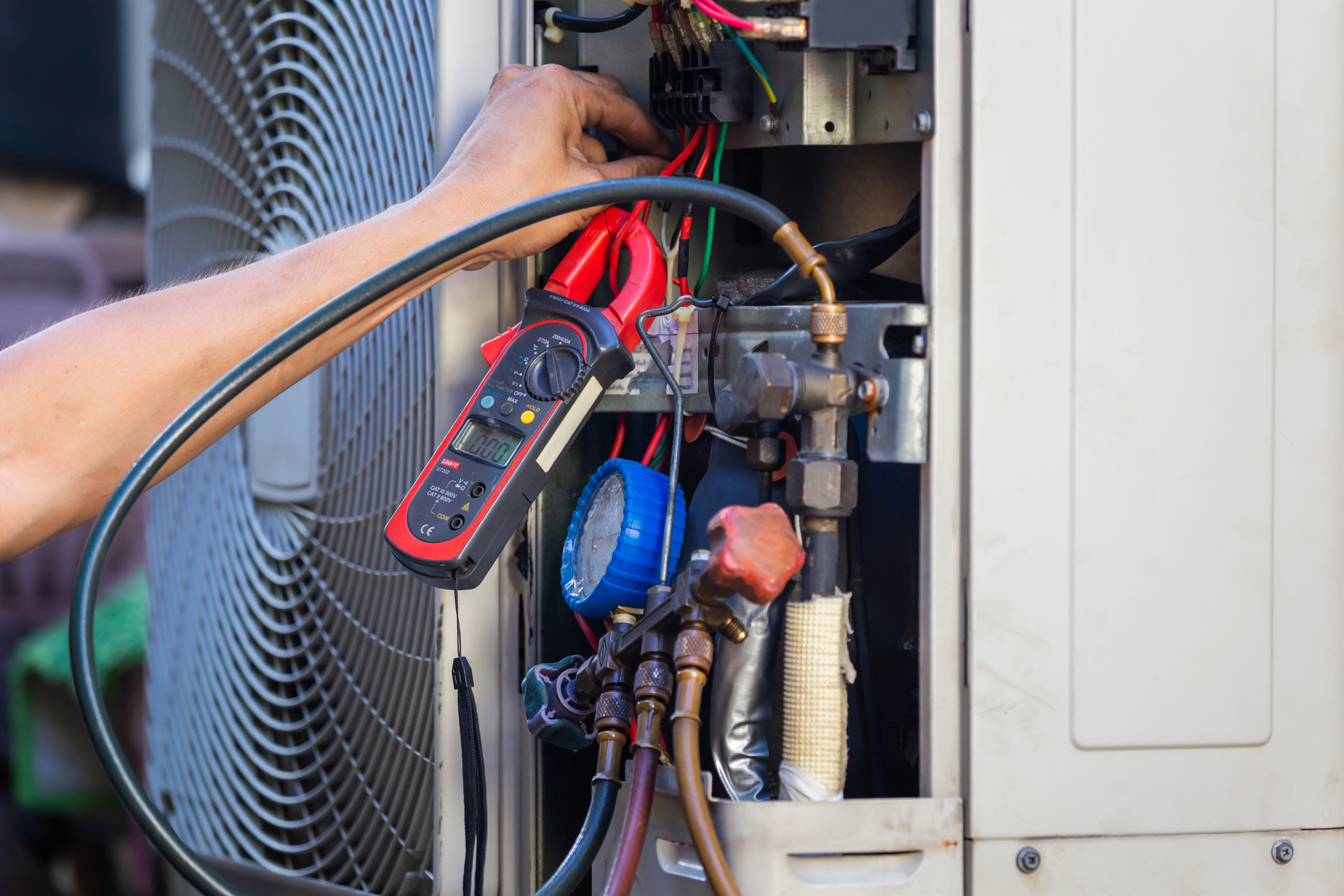
Determining optimal replacement timing requires expert assessment of system condition, efficiency, and safety factors. Professional evaluations identify immediate concerns while projecting future maintenance needs and energy costs. These assessments help homeowners make informed decisions based on actual system performance rather than age alone.
Qualified technicians document equipment condition through detailed inspections that reveal hidden issues and efficiency losses. This documentation provides valuable insights for replacement planning while identifying immediate safety concerns that require prompt attention.


