Most Auburn homeowners think smart thermostats are just about convenience—but the real question is whether the math actually works. Between hidden installation costs, utility rebates you didn’t know existed, and wildly different savings claims, here’s what the numbers actually show.
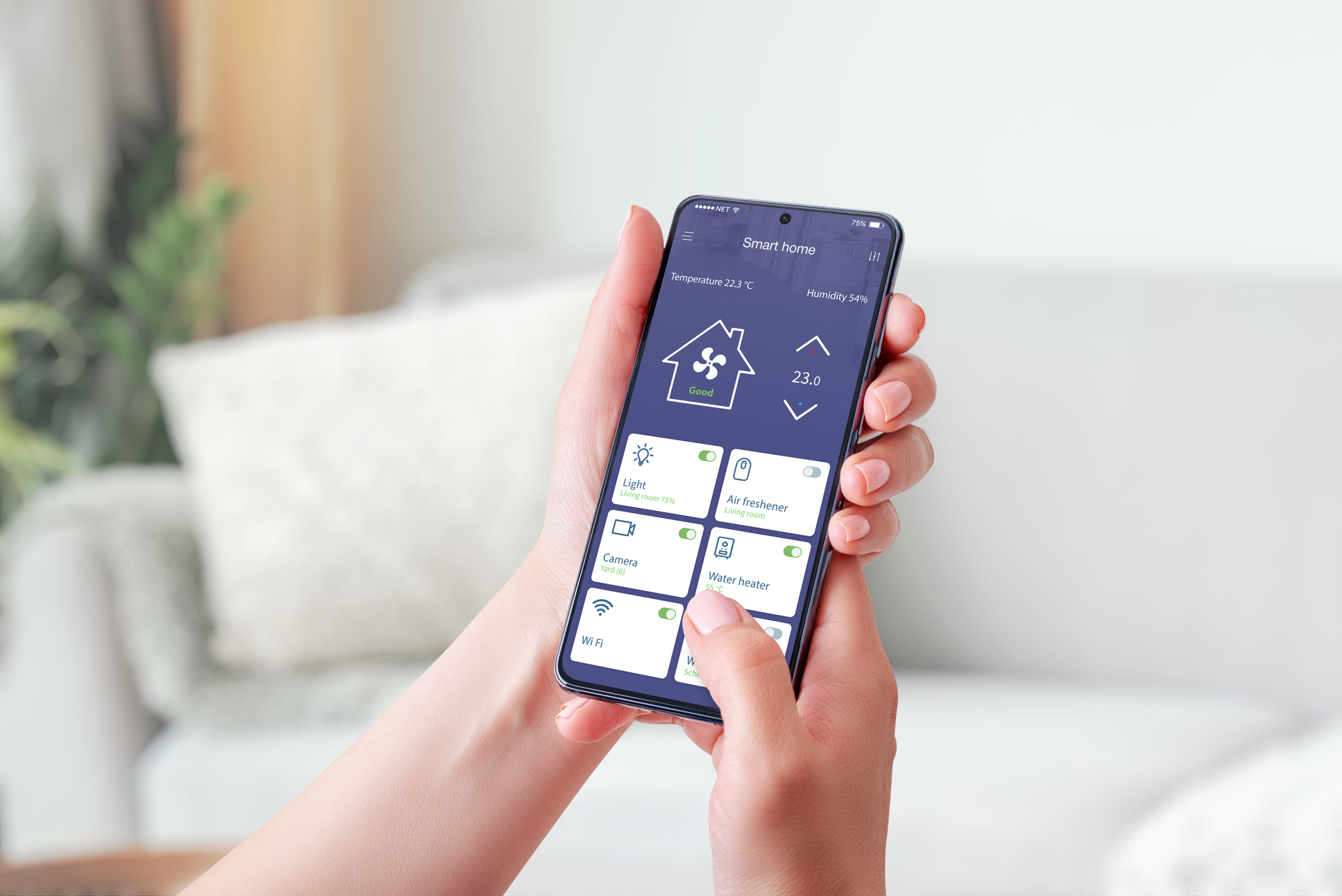
Energy bills keep climbing, and for homeowners that monthly sting is becoming harder to ignore. Smart thermostats have become one of the most talked-about energy solutions — but between device prices, installation fees, and brand claims, it is easy to feel overwhelmed before ever touching a wall plate. This post cuts through the noise with real numbers, honest tradeoffs, and practical guidance on getting the most out of a smart thermostat investment.
For the majority of homeowners, a smart thermostat pays for itself well before the two-year mark. Industry analysis consistently shows a payback period ranging from one to four years, with some households seeing returns in as little as 8 to 12 months. That wide range reflects honest reality — not every home will see the same results.
The biggest variables are how often the home is occupied, existing HVAC efficiency, local energy rates, and whether the thermostat's smarter features — like scheduling and geofencing — are actually used. A household with a predictable daily routine in a region with higher electricity costs stands to gain far more than, say, a retired couple who is home most of the day.
There is also the matter of upfront spend. A $350 all-in installation saving $140 per year reaches payback in about 2.5 years. A $200 installation saving $200 annually means breaking even in under 12 months. The math is straightforward once the real numbers are on the table — which is exactly where this post starts.
Smart thermostat devices span a wide price range depending on the brand and feature set. According to HomeAdvisor's 2024 cost data, unit prices alone run from $50 on the low end to $800 for premium models. Here is a breakdown of popular brands and their typical total cost with professional installation:
For most homeowners running a standard central air system, a mid-range option like the Google Nest or Honeywell sits comfortably in the $225-$450 total range. Budget-friendly picks like the Wyze keep the all-in cost under $300 — though with fewer advanced features.
Labor runs $50 to $150 per hour depending on whether a licensed electrician or HVAC technician handles the job. Simple swaps can take as little as 30 minutes; more involved installs requiring new wiring may stretch past two hours. Most pros charge a minimum service call fee equivalent to at least one hour of labor.
The most common surprise cost is the C-wire. Many older homes — including a good number in Indiana's residential stock — do not have this common wire that most smart thermostats need for continuous power to their Wi-Fi radio and display. Adding a C-wire can tack on an extra $50 to $100 per hour to the job. Some thermostats include a Power Extender Kit to work around this, but compatibility should always be confirmed before purchasing.
Optional feature add-ons can also nudge the price up: voice assistant compatibility adds roughly $50-$100, room activity sensors run $40-$100 each, and built-in speakers add another $35-$75. None of these are required, but they are worth knowing about before the invoice arrives.
ENERGY STAR-certified smart thermostats are estimated to save roughly 8% on heating and cooling bills annually, which works out to approximately $50 per year for the average household. Google Nest's internal data, cited widely by independent sources, points to 10-12% savings on heating and 15% on cooling — translating to around $140 per year for Nest users. Ecobee's own studies claim even higher performance, with users potentially saving 23-26% and netting $200-$250 annually.
Several factors drive that gap:
The U.S. Department of Energy adds useful context: setting temperatures 7°F to 10°F lower or higher for 8 hours per day when the home is unoccupied can yield roughly 10% in savings. Smart thermostats automate exactly that kind of adjustment — which is where their real value lives.
Two features separate a smart thermostat from a standard programmable one: scheduling precision and geofencing. Used together, they eliminate the two biggest sources of heating and cooling waste — conditioning an empty house and forgetting to adjust the temperature before leaving.
Scheduling allows homeowners to map out temperature changes based on their daily routine: cooler while at work, warming up 30 minutes before arrival, a slight setback overnight. This alone accounts for a significant portion of the documented savings numbers.
Geofencing goes a step further by using a smartphone's GPS to detect when the homeowner has left a set perimeter around the home. When they leave, the thermostat shifts to an energy-saving mode automatically. When they return — or get close enough — the system begins adjusting back to comfort temperature. No manual input needed. For Auburn homeowners with predictable weekday routines, both features working in tandem can push savings closer to the upper end of the reported range.
One of the most underutilized ways to reduce the upfront cost of a smart thermostat is through utility rebates and incentive programs. Many electric and gas utility companies offer point-of-sale discounts, mail-in rebates, or bill credits for customers who install qualifying energy-efficient devices.
Some utility programs go further, offering free smart thermostats and complimentary professional installation to customers who enroll in demand response programs. These programs allow the utility to make minor, temporary temperature adjustments during peak grid demand — typically by a degree or two, for short windows — in exchange for the equipment and setup at no cost. For homeowners comfortable with that tradeoff, it is a compelling deal.
The ability to adjust home temperature from a smartphone — anywhere with an internet connection — is the baseline feature of every smart thermostat worth considering. It is useful in small, practical ways every day: turning on the A/C while driving home in August, bumping up the heat before an early morning wake-up, or switching to vacation mode from an airport gate.
Beyond comfort, remote access supports energy tracking. Most apps provide runtime history and energy usage reports, letting homeowners identify patterns, spot inefficiencies, and make informed adjustments over time. That visibility alone tends to shift habits in ways that compound savings.
Higher-end models like the Google Nest Learning Thermostat and Ecobee SmartThermostat Premium go beyond static scheduling. These devices observe temperature preferences and daily routines over days and weeks, gradually building a personalized schedule without requiring any manual programming from the homeowner.
Smart thermostats can monitor HVAC system performance and flag anomalies — unusual temperature swings, longer-than-normal run times, or filter change reminders. These alerts serve as an early warning system that helps homeowners address small issues before they become expensive repairs.
Some systems, like the Trane Priority Smart Thermostat, can even send real-time performance data directly to a connected dealer, enabling remote diagnostics and faster service when something does go wrong. For homeowners with older HVAC systems, this kind of proactive monitoring can easily justify the device cost on its own.
Most mid-to-upper-tier smart thermostats are compatible with Amazon Alexa, Google Assistant, or Apple Siri. The convenience factor is straightforward — hands-free temperature adjustments without reaching for a phone or walking to the wall unit. For households that already use smart speakers or a connected home hub, integration is typically seamless.
Smart thermostats are not just a utility-bill strategy — they are increasingly a resale asset. Real estate market research indicates that integrating smart home technology can increase property value by an average of 3% to 5%, and homes with these upgrades tend to sell faster by appealing to buyers who prioritize energy efficiency, convenience, and modern home automation.
Even for homeowners with no immediate plans to sell, the value case still holds. Energy savings accumulate from day one, and the comfort and convenience benefits are ongoing. The resale upside is simply a bonus that compounds the investment over time.
A smart thermostat's performance is only as good as its installation. Getting the installation right from the start is not optional — it is the whole game.
A few things to confirm before installation day:
Local municipalities almost universally require a licensed electrician to sign off on thermostat installations. Even when the physical swap seems simple, code compliance, wiring accuracy, and the C-wire question are all reasons to bring in a qualified professional.
Getting a smart thermostat professionally installed the first time means it works the way it is supposed to from day one — and the savings start immediately rather than after a frustrating troubleshooting process.


