Thinking about installing an EV charger at home? The cost difference between home and public charging might surprise you—typical drivers could save over $800 annually. But there’s more to consider than just electricity rates before making the investment.
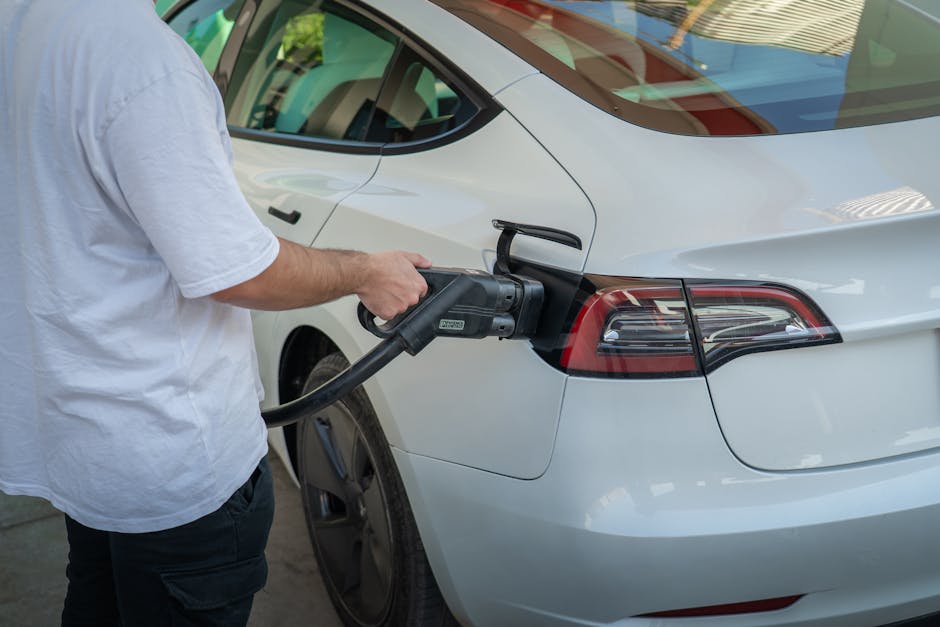
Electric vehicle ownership in Auburn, IN continues to grow, with Indiana seeing a 39% increase in registered EVs and hybrid vehicles from 2021 to 2022, and continued interest as gasoline prices spike. More than a quarter of Americans shopping for new cars told JD Power they would seriously consider an EV, but less than 10 percent say they understand the logistics. Electrical experts, like those at Mister Sparky Fort Wayne, report an increasing number of inquiries about home charging stations, and say the installation makes financial sense in the long run for those who can afford the up-front costs.
The financial benefits of home EV charging become clear when comparing costs. Home charging averages about 17 cents per kilowatt-hour, while public charging stations typically charge around 37 cents per kWh—more than double the cost. For a typical EV driver logging 12,200 miles annually, home charging costs roughly $732 per year compared to approximately $1,600 when relying solely on public charging stations.
Beyond the direct electricity cost savings, home charging eliminates the need for detours to public stations, saving both time and fuel costs associated with driving to charging locations. The convenience factor translates to real monetary value when factoring in the time saved and reduced wear on the vehicle from additional travel.
Level 2 chargers represent a significant upgrade from standard household outlets, offering substantial improvements in both charging speed and cost efficiency. These 240-volt systems fundamentally change how EV owners interact with their vehicles, making electric transportation more practical for daily use.
Standard 120-volt outlets provide Level 1 charging at roughly 3-5 miles of range per hour of charging. Level 2 chargers, operating on 240-volt circuits, deliver 25-40 miles of range per hour—a dramatic improvement that allows most EVs to fully charge overnight. This speed difference means the difference between a partially charged vehicle in the morning versus starting each day with a full battery.
The faster charging capability also provides flexibility for unexpected trips or schedule changes. Instead of planning charging sessions days in advance, Level 2 charging allows for quick top-offs between errands or before longer journeys.
Smart Level 2 chargers enable users to schedule charging during off-peak electricity hours, typically between 9 PM and 9 AM. During these periods, electricity rates can be 30-50% lower than peak daytime rates. This scheduling capability maximizes the cost savings potential of home charging while reducing strain on the electrical grid during high-demand periods.
Many smart chargers integrate with utility time-of-use programs, automatically optimizing charging schedules based on real-time electricity pricing. This technology ensures homeowners always receive the lowest possible charging costs without manual intervention.
Multiple incentive programs help offset the initial investment in home EV charging infrastructure. These programs recognize the environmental and grid benefits of home charging adoption, making installations more accessible to homeowners.
The federal Alternative Fuel Vehicle Refueling Property Credit covers 30% of installation costs for eligible home charging equipment, with a maximum credit of $1,000. This credit applies to installations completed through June 30, 2026, and covers both the charger hardware and professional installation costs.
The credit applies to qualified Level 2 charging equipment and associated electrical work required for safe installation. Homeowners can claim this credit when filing their annual tax returns, providing direct financial relief for their investment in home charging infrastructure.
Major Indiana utilities including AES Indiana, Hoosier Energy, and Indiana Michigan Power offer additional rebates ranging from $75 to $600 for Level 2 EV charger installations. These utility-specific programs often require enrollment in managed charging or off-peak charging programs, further improving the cost savings potential.
Utility rebates typically process more quickly than federal tax credits, often appearing as bill credits within 30-60 days of installation completion. Some programs also offer ongoing monthly credits for participating in demand response programs that help balance grid load.
Level 2 EV charger installation involves significant electrical work that requires professional expertise and local permitting. Proper installation protects both the investment and the home's electrical system while ensuring optimal charger performance.
Many homes, particularly older constructions, require electrical panel upgrades to safely accommodate Level 2 charging circuits. These chargers typically draw 30 to 60 amps of power—a substantial electrical load that may exceed the capacity of older or already-loaded panels.
Professional electricians assess existing electrical systems and determine upgrade requirements during initial consultations. Panel upgrades, while adding to initial costs, often improve overall home electrical safety and capacity for future electrical appliances or renovations.
Level 2 EV charger installations require electrical permits and inspections in most jurisdictions to ensure compliance with local electrical codes and safety standards. These requirements exist to protect homeowners, insurance coverage, and future property sales from electrical safety issues.
Licensed electricians handle permit applications and coordinate required inspections, ensuring installations meet all local requirements. Proper permitting also protects warranty coverage and helps maintain insurance compliance should electrical issues arise.
Real estate studies demonstrate that homes equipped with Level 2 EV chargers experience measurable increases in both sale price and market appeal. As EV adoption continues growing, charging infrastructure becomes an increasingly valuable home amenity.
Properties with installed Level 2 chargers can see resale price increases of 1.5% to 3.5%, depending on local market conditions and EV adoption rates. Additionally, homes with charging infrastructure may sell up to 13% faster than comparable properties without chargers, appealing to the growing market of EV-interested buyers.
Expert electricians, like those at Mister Sparky Fort Wayne, say the key differentiator lies in Level 2 installation—while standard 120-volt outlets add minimal value, dedicated 240-volt charging circuits represent a sought-after upgrade that demonstrates the home's readiness for electric vehicle ownership.


