Fortunately, with the right combination of training, environmental support, and professional guidance, most dogs can learn to cope — and some improve significantly over time.
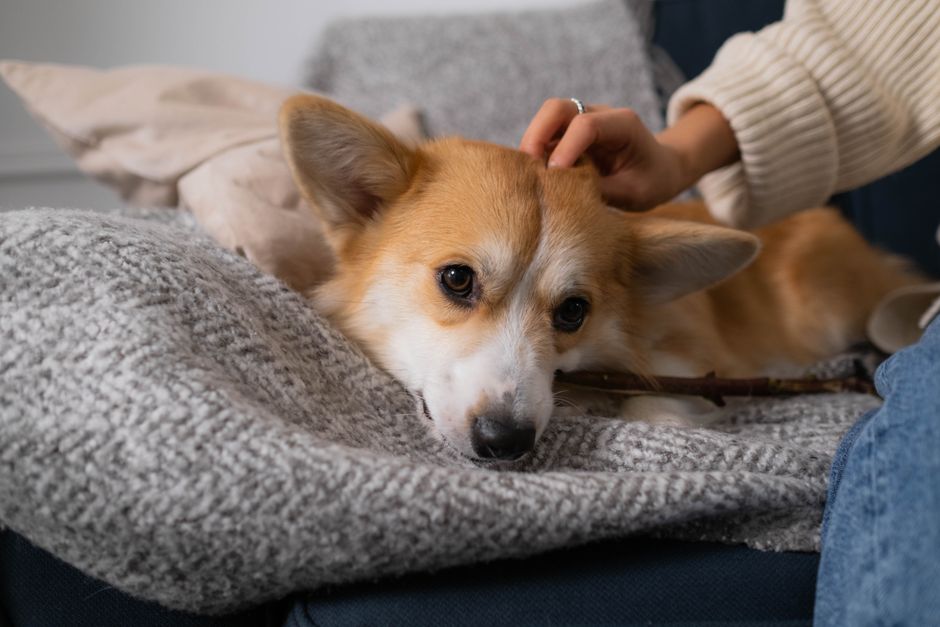
Separation anxiety affects a significant number of dogs and can create challenges for both pets and their families. While many people associate the condition with barking or destructive behavior, separation anxiety is a complex stress response that can affect a dog's well-being, daily routine, and ability to cope when left alone. This makes it difficult for owners to travel or leave their pets at a boarding kennel.
The condition has become more and more recognized by veterinarians and animal behavior specialists, particularly as more dogs spent extended periods with family members during recent years and later had to adjust to longer periods of separation. Fortunately, separation anxiety is often manageable with the right combination of training, environmental support, and professional guidance.
Separation anxiety occurs when a dog experiences significant distress when separated from a person to whom it has formed a strong attachment. Unlike occasional boredom or frustration, separation anxiety can trigger genuine panic responses that begin before a family member leaves and continue throughout the period of absence.
Veterinary behavior specialists note that separation anxiety is not a training issue or an indication of stubbornness. It is a behavioral health condition that may develop gradually or appear after major life changes such as relocation, changes in household routines, adoption, or the loss of a family member or companion animal. Recognizing the condition early often improves long-term outcomes.
Dogs experiencing separation anxiety often display predictable patterns of behavior linked directly to a person's departure. One of the most common signs is destructive behavior focused on doors, windows, gates, or other exit points. This differs from general chewing because the damage is often concentrated in areas associated with leaving or escaping.
Excessive barking, whining, or howling may also occur shortly after a family member leaves. Some dogs vocalize continuously until someone returns, while others alternate between vocalization and restless pacing.
House-trained dogs may begin urinating or defecating indoors only when left alone. In these situations, the accidents are frequently associated with stress rather than incomplete house training.
Other signs include pacing, trembling, excessive drooling, panting, loss of appetite, or visible distress when departure cues appear. Picking up keys, putting on shoes, or collecting a handbag can sometimes trigger anxiety before anyone has even left the house.
There is no single cause of separation anxiety, but several factors appear frequently in affected dogs. Major routine changes are among the most common triggers. Dogs thrive on predictability, and sudden shifts in household schedules can create uncertainty. A family member returning to office-based work after spending months at home is one example frequently cited by veterinary professionals.
Dogs adopted from shelters or rescue organizations may also be more susceptible, particularly if they have experienced previous abandonment or multiple rehoming situations. However, separation anxiety can develop in dogs from any background. Changes such as moving home, the loss of a family member, the arrival of a new baby, or significant alterations to daily routines may also contribute to the development of anxiety-related behaviors.
Modern treatment approaches focus on reducing anxiety rather than correcting behavior through punishment.
Counterconditioning aims to replace negative emotions associated with being alone with positive experiences. Food puzzles, enrichment toys, and special treats reserved exclusively for departure periods are commonly used to build more positive associations. Over time, some dogs begin to view alone time as less stressful and more predictable.
Desensitization involves gradually increasing the amount of time a dog spends alone while remaining below its anxiety threshold. The process often begins with absences lasting only a few seconds before slowly progressing to longer periods. This approach requires patience but is widely regarded as one of the most effective long-term strategies for treating separation anxiety.
For moderate or severe cases, veterinarians may recommend medication alongside behavior modification. Recent advances in veterinary medicine have expanded treatment options available for dogs experiencing anxiety-related conditions.
Medication does not replace training, but can help reduce anxiety levels enough for learning and behavioral improvement to occur.
Management strategies often play an important role alongside formal treatment. Regular physical exercise helps many dogs release energy and settle more comfortably during rest periods. Walks, play sessions, scent games, and enrichment activities can all contribute to lower stress levels.
Mental stimulation is equally important. Puzzle feeders, snuffle mats, treat-dispensing toys, and scent-based activities encourage problem-solving and can help redirect anxious energy into productive tasks.
Consistency also matters. Predictable feeding schedules, exercise routines, and daily activities help create a sense of stability that many anxious dogs find reassuring.
Many families assume boarding is impossible for dogs with separation anxiety, but this is not necessarily the case. Successful boarding depends largely on selecting a facility that understands canine stress and provides appropriate support. While some anxious dogs may struggle in highly stimulating environments, others adapt well when routines are predictable and staff members are experienced in handling behavioral challenges.
Veterinary behavior experts emphasize the importance of consistency and structured environments when caring for anxious dogs. For many anxious dogs, a structured and consistent environment can be just as stabilizing as being at home.
When evaluating boarding options for a dog with separation anxiety, several factors deserve careful consideration. Experienced staff members should be able to recognize signs of stress and understand how to respond calmly and appropriately. Facilities that rely on predictable feeding, exercise, and rest schedules can help reduce uncertainty for anxious dogs.
The physical environment also matters. Some dogs benefit from quieter accommodations with fewer distractions, while others respond positively to supervised interaction and activity.
Families may also wish to ask whether familiar bedding, blankets, or favorite toys can accompany the dog during the stay. Familiar scents often provide comfort in unfamiliar environments.
Trial visits can be particularly beneficial. A short daycare session or overnight stay allows staff to observe the dog's behavior and helps the dog become familiar with the facility before a longer boarding period.
Preparation often plays a significant role in successful boarding experiences. Maintaining normal routines before drop-off can help minimize disruption. Bringing familiar items from home may also provide reassurance.
Experts generally recommend keeping departures calm and routine rather than emotional. Extended goodbyes can sometimes increase anxiety by signaling that an unusual event is occurring.
Providing boarding staff with detailed information about the dog's habits, preferences, triggers, and calming activities can further support a positive experience.
Separation anxiety can be challenging, but it is a treatable condition that responds well to appropriate intervention. Early recognition, structured training, enrichment activities, and veterinary guidance can all contribute to meaningful improvements over time.
When boarding becomes necessary, a facility that understands canine behavior and prioritizes consistent care can make a real difference. Many dogs with separation anxiety adapt better than expected — especially when the environment is calm, predictable, and staffed by people who know what to look for.


