Material choices, site conditions, and hidden fees shape your retaining wall investment. From $1,200 vinyl barriers to $13,700 engineered solutions, understanding these cost factors helps you budget accurately and avoid expensive surprises during construction.
Heavy rains wash away yards every spring, taking valuable soil and creating dangerous slopes near homes. Smart homeowners work with experienced retaining wall contractors to protect their property before serious damage happens.
Most people only think about retaining walls after water problems start damaging their property or landscape. Let's look at what these walls really cost and which factors matter most for your budget.
The average retaining wall costs between $3,500 and $9,400, with most homeowners spending close to $6,000 total. This price covers everything you need: materials, workers to build it, preparing your yard, and the drainage systems that keep walls strong. Small walls fixing minor slope problems might only cost $1,200, but big walls protecting your home could reach $13,700.
The size of your wall determines most of the cost, and contractors figure this out by multiplying length times height. You'll pay between $20 and $53 for each square foot of wall, with $33 per square foot being pretty typical. A 30-foot-long wall that stands 6 feet tall equals 180 square feet, which would cost around $5,940 at average prices.
Your property's specific needs change these numbers quite a bit, especially if you have tough soil or drainage problems. Clay soil holds water and pushes hard against walls, so contractors often need stronger materials here.
The materials your wall is built from make a huge difference in both the price and how long it lasts.
Cheaper Materials That Still Work Great:
Expensive Options That Last Forever:
The wall itself is just part of what you'll pay, and these extra expenses catch many homeowners off guard, say a North Carolina-based experts from .
The contractor needs to prepare the ground before building anything, which adds real money to the project. Leveling the ground costs between $0.40 and $2.00 for every square foot of area they work on. Digging out space for the wall's foundation runs $50 to $200 per cubic yard of dirt removed. Clearing away trees or old structures costs $735 to $2,330 per acre if you have lots to remove.
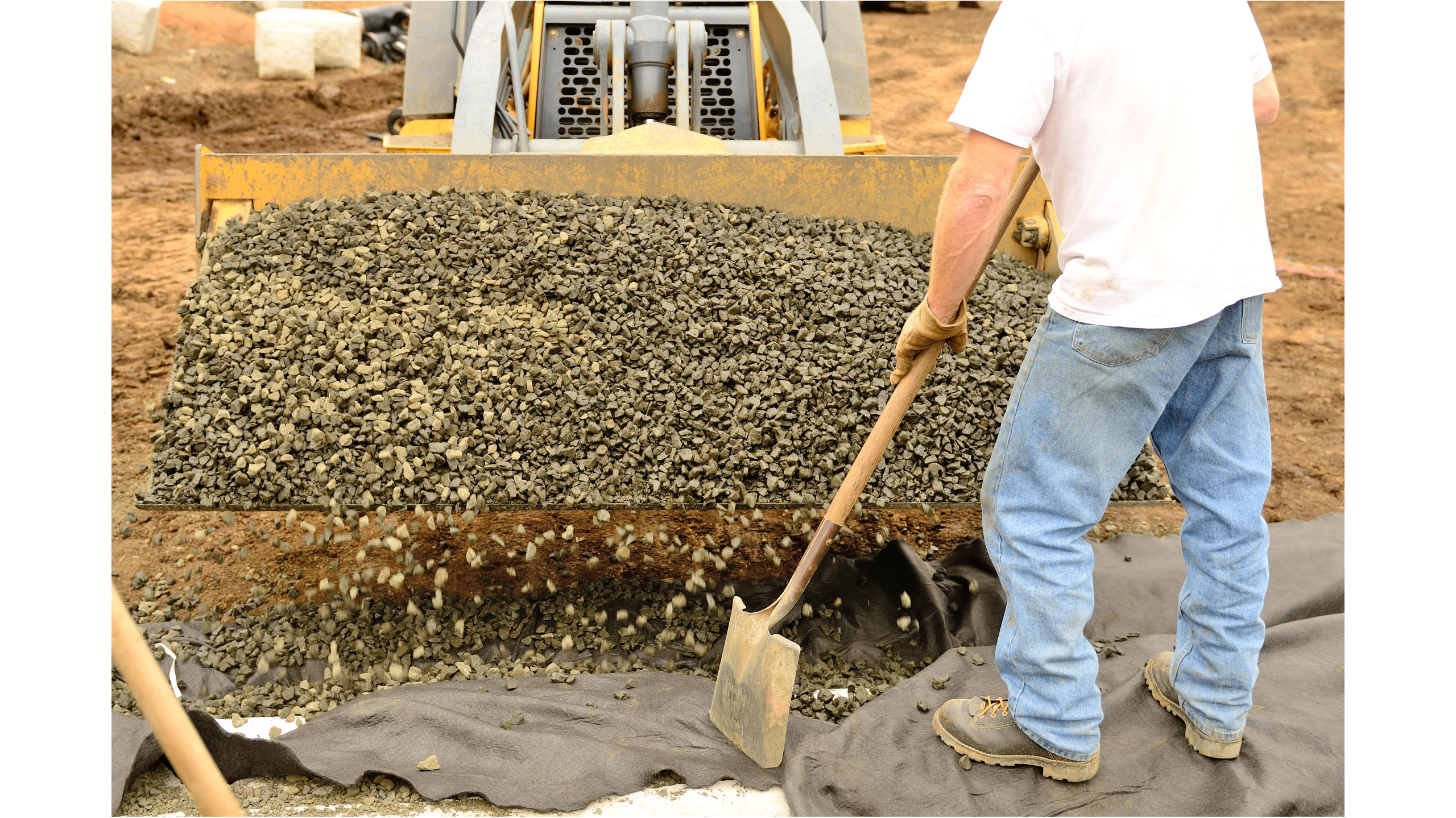
Every retaining wall needs good drainage, or water pressure will push it over within a few years. Waterproofing the wall adds $2 to $10 per square foot, but stops water from destroying your investment. Walls taller than four feet need steel bars inside for strength, adding another $1.50 to $2.50 per square foot.
Different spots on your property need different types of walls, and each location has its own price range.
Driveway walls cost more ($38 to $138 per linear foot) because they hold back soil while supporting cars driving by. Garden walls run $30 to $150 per linear foot, depending on how fancy you want them to look. Backyard walls vary the most, from $33 to $255 per linear foot, based on how hard it is to reach. Pool walls need special engineering and cost $20 to $100 per linear foot to meet safety codes.
North Carolina requires permits for walls over four feet tall, and some towns want them for three-foot walls, too. Permits cost between $40 and $450, depending on where you live and how complex your wall design is. Good contractors know the local rules and handle permit applications, saving you time and preventing legal problems later.
Main Street Retaining Walls emphasizes that building a retaining wall requires knowledge about soil pressure, water flow, and construction techniques that most homeowners don't have. Professional crews understand how clay soil behaves and install drainage systems that actually work in our climate. They finish the job faster than DIY attempts, and their work comes with warranties protecting your investment.
Engineers make sure your wall can handle the weight of wet soil pushing against it during storms. Experienced builders know where water wants to go and redirect it safely away from your wall's foundation. Quality contractors also spot problems like underground pipes or weak soil that could cause failures if ignored.
Start by fixing the worst erosion problems first, then add more walls later if your budget is tight. Building good drainage during the first project costs way less than fixing water problems after they damage your wall.
Think about how you want to use your yard in five years when choosing materials and wall locations. A well-built wall increases your property value while giving you more usable space for gardens, patios, or play areas.
Quality retaining walls protect your biggest investment—your home—from expensive water and erosion damage. help you choose the right materials and design for lasting protection.


