Pool league season approaches, with teams scrambling for proper equipment and professional apparel. Getting the right gear makes the difference between looking amateur and commanding respect at the table.
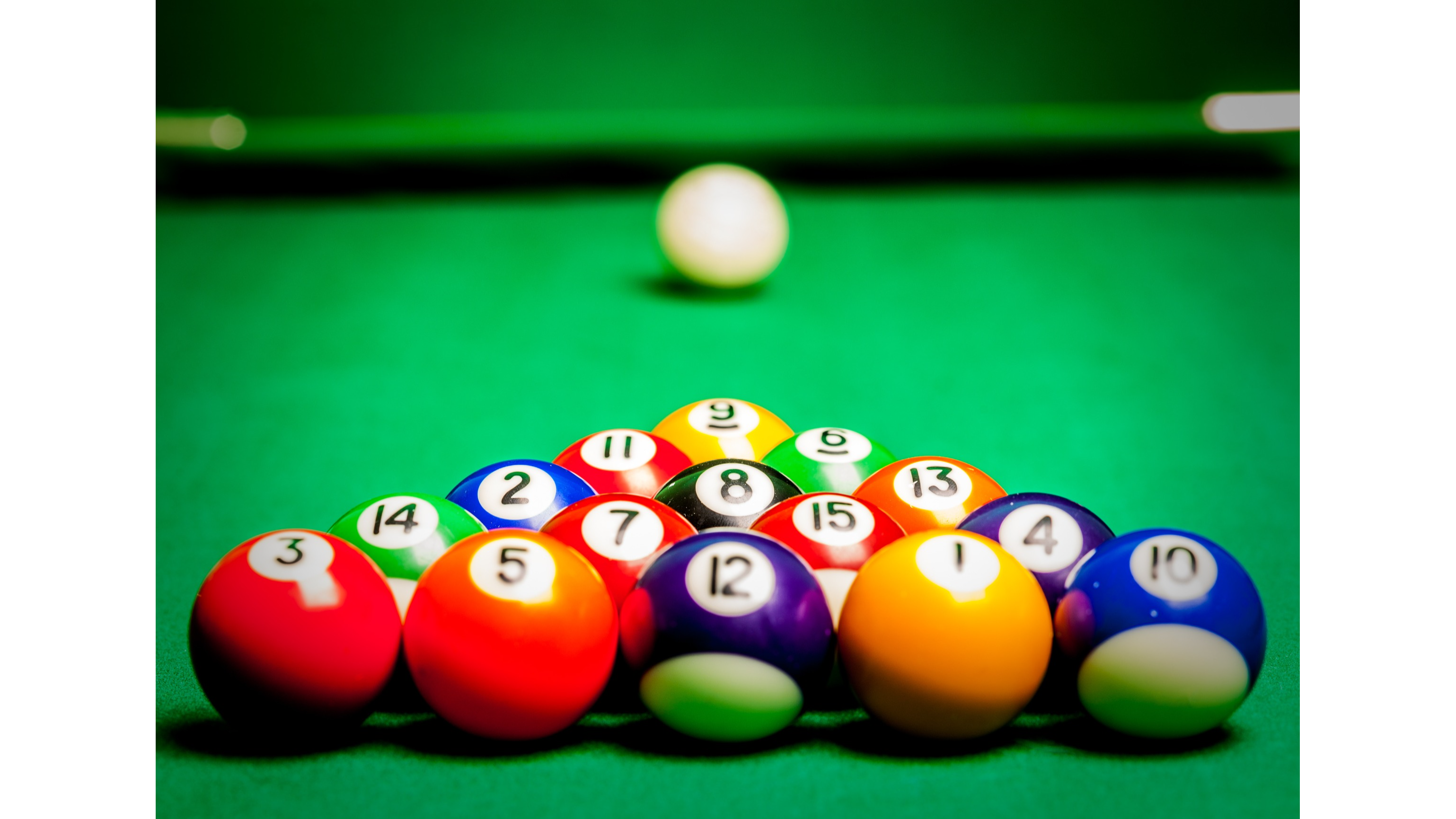
Pool league season kicks off across the country. Thousands of teams are discovering that showing up with house cues and mismatched shirts isn't enough anymore. The difference between teams that dominate their divisions and those that struggle? Preparation. And that includes having the right gear. Whether you're joining your first 8-ball league or gearing up for another season of 9-ball competition, your equipment speaks before you even break the rack.
Walk into any pool hall during league night. You can spot the serious teams immediately. Matching pool team jerseys? Check. Quality cue cases? Absolutely. Gear that screams tournament-ready? You bet.
"When you look professional, opponents take you seriously from the first game," explains a representative from Dead Bank Apparel, which specializes in custom billiards jerseys. "Teams that invest in proper uniforms often find they get more respect from league coordinators."
The psychological edge cuts both ways. Teams wearing professional gear play with more confidence. Meanwhile, opponents sometimes feel intimidated before the match begins. Not a bad starting position.
Your cue stick is everything. House cues vary wildly in weight, balance, and tip condition. Developing muscle memory becomes nearly impossible when you're grabbing random sticks from the wall rack. A quality playing cue should feel like an extension of your arm. Most league players prefer something between 18-21 ounces, though personal preference rules here. The tip needs reliable grip on the cue ball without being so soft it mushrooms after a few hard shots.
Breaking cues serve an entirely different purpose. These heavier beasts (usually 22-25 ounces) maximize power transfer during the break shot. Many league formats reward strong breaks with ball-in-hand or other advantages. That dedicated breaking cue starts paying for itself immediately.
Chalk seems trivial until inconsistent application costs you a game. Quality chalk provides better grip and outlasts that free stuff pool halls scatter around tables. Keep your own in your case. Replace it regularly.
A reliable case protects your investment while making transportation painless. Soft cases work fine for local league play. Hard cases offer better protection for tournament travel. Look for models with room for extras—tips, tools, personal chalk.
Gloves are controversial territory among players, but they solve a problem. Sweaty hands destroy stroke consistency, and sticky table conditions do the same. A billiards glove eliminates these variables for less than the cost of missing shots because of grip issues.
Professional teams understand uniforms serve multiple purposes. Quality billiards jerseys use moisture-wicking fabrics that keep players comfortable during marathon matches. The fit should allow a full range of motion without being loose enough to interfere with your stroke mechanics.
Custom jerseys build team identity, too. They help with sponsor recognition if your team attracts local business support. Many successful league teams find that professional appearance helps them secure sponsorship deals that offset equipment costs entirely. Dye-sublimation printing technology ensures custom designs won't fade or crack after repeated washing and embeds graphics directly into fabric fibers. Professional-looking results that survive multiple seasons are worth every penny.
League matches happen once weekly, but improvement requires daily work. A quality practice table at home accelerates skill development dramatically, though space and budget constraints make this unrealistic for most players. However, video analysis tools help too. Smartphone apps reveal stroke flaws that feel correct during play and recording practice sessions expose timing issues and alignment problems that are difficult to detect otherwise.
League play prepares teams for tournament competition, but tournaments demand additional considerations. Travel cases protect equipment during transport, and backup cues can prevent disasters when your primary stick gets damaged from the multiple games per day so common in a tournament format. Comfortable clothing also becomes critical.
Mental preparation tools separate good league players from tournament winners. Visualization techniques work, and pressure situation practice pays dividends. One of the best ways to improve is to develop a consistent pre-shot routine that works under stress and through practicing high-pressure, difficult shots regularly.
Begin with the essentials and upgrade your setup gradually, focusing first on the tools that have the greatest impact on your consistency and comfort at the table. A well-balanced playing cue and a durable, protective case should form the foundation of your gear, while accessories like personal chalk and a good glove can help you adapt to specific playing conditions that would otherwise throw off your game. If you’re working within a limited budget, investing in matching team uniforms can wait until your second season—once your fundamentals and gear are already solidified.
While no piece of equipment can instantly transform your game, what high-quality gear does offer is the removal of unpredictable variables—subtle inconsistencies in weight, grip, or feel—that can distract from your focus or disrupt muscle memory at critical moments. When your equipment becomes an extension of your body and not a source of friction, you’re free to concentrate entirely on reading the table, calculating your angles, and executing shots with confidence and control. In a competitive environment, this kind of mental bandwidth is a real advantage.
And the benefits don’t end there. The return on investment becomes clear very quickly, as teams that present themselves professionally are often treated with a higher level of respect and seriousness—by both their peers and those organizing the competition. Opponents tend to approach matches differently when they're facing a team that looks prepared and polished; league coordinators are more likely to remember the teams that take their appearance seriously; and tournament directors tend to take note of competitors who clearly care enough to invest in how they show up.
Take the time to at the right prices to help your team look and feel ready for serious competition. Because when you're prepared, confidence follows naturally.


