After mould remediation, standard paints offer minimal protection against regrowth, while specialized products like MouldGuard can prevent mould for up to 15 years. Learn how proper surface preparation and advanced antimicrobial paint technology create long-lasting mould-free surfaces.
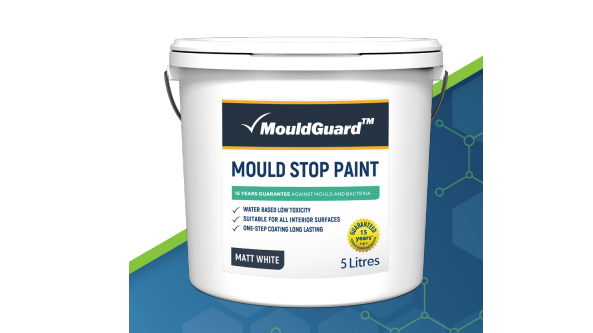
After spending time and money on mould remediation, the last thing you want is for it to return weeks or months later. Yet this is precisely what happens with standard paints. Conventional interior paints lack specific antimicrobial properties, creating the perfect environment for mould to thrive once moisture is present again.
Standard paints essentially provide a new surface for mould to colonize. The porous nature of typical paint allows mould to penetrate the paint film, feeding on the organic materials in both the paint and the substrate beneath. This is why simply painting over mould with regular paint is ineffective – you're merely providing a temporary cosmetic fix while the underlying problem continues to develop. When humidity rises, that mould will reactivate and grow right through your new paint job.
Mould-resistant technology like Aeris Environmental Ltd's MouldGuard paint works differently by incorporating antimicrobial properties directly into the paint formulation. This specialized mould-prevention technology creates a surface that actively inhibits mould growth rather than just covering it up, providing long-term protection that standard paints simply cannot match.
MouldGuard technology represents a significant advancement in interior paint formulations. Unlike standard paints that merely cover surfaces, MouldGuard technology actively prevents mould from establishing and growing on painted surfaces. This specialized formulation creates an inhospitable environment for mould spores, effectively stopping them from colonizing even in high-humidity conditions.
The protection works through a carefully developed antimicrobial barrier that becomes part of the paint film itself. When applied correctly, this barrier remains effective for an impressive 15 years, providing long-term peace of mind for homeowners and property managers dealing with persistent mould issues.
Standard interior paints focus primarily on aesthetics and basic surface protection, with little consideration for microbial resistance. MouldGuard Mould Stop Paint, however, is fundamentally different in several important ways:
Proper surface preparation is crucial for ensuring the effectiveness of mould-resistant paint. Even with MouldGuard's ability to be applied directly over mould, taking the time to prepare surfaces properly will enhance both appearance and performance.
Start by removing loose material and dust from the surface. For surfaces with existing paint, clean thoroughly with soapy water and allow to dry completely. If the surface has a glossy finish, lightly sand to create a dull finish that allows better adhesion for the new paint.
Before applying any paint—even mould-resistant varieties—you must address the root causes of moisture that led to mould growth in the first place. The most effective mould prevention strategy combines mould-resistant paint with proper moisture control.
Inspect the area for leaks, condensation issues, or poor ventilation. Repair any leaking pipes, improve ventilation in high-humidity areas, and consider using dehumidifiers in persistently damp spaces. While MouldGuard paint provides excellent protection, eliminating excessive moisture will further enhance its effectiveness and prolong the life of your painted surfaces.
Surfaces that have previously experienced mould growth may need specific priming considerations. For surfaces with extensive mould staining, spot prime repairs with a quality acrylic primer before applying MouldGuard paint. For unpainted plasterboard, apply a full coat of undercoat across the entire surface.
This preparation creates an optimal base for the MouldGuard paint to adhere to, enhancing both its appearance and protective qualities. The primer helps seal porous surfaces and provides a uniform base for the topcoat, ensuring more consistent coverage and better mould resistance.
One of the most remarkable features of MouldGuard Mould Stop Paint is its ability to be applied directly over existing mould—a capability that sets it apart from standard paints. This can save significant time and effort during remediation projects, especially for minor to moderate mould issues.
When painting directly over mould with MouldGuard paint, be aware that additional coats may be required to mask any dark colouration from the mould beneath. However, once the paint is applied, the mould will neither grow through nor on the painted surface, effectively containing and neutralizing the existing mould while preventing new growth.
For extensive or severe mould problems, you may still want to consider a more thorough remediation approach before painting. This might include physically removing the mould and treating the surface with a specialized mould remover. This approach, while more labour-intensive, provides the most comprehensive solution for severe cases.
The flexibility to choose between direct application and more thorough remediation makes MouldGuard paint suitable for a wide range of mould situations, from minor cosmetic issues to more significant problems requiring comprehensive treatment.
Before applying MouldGuard Mould Stop Paint, proper surface preparation is essential. Start by dusting the surface thoroughly and cleaning it with soapy water. This removes dirt, grease, and loose particles that might interfere with paint adhesion.
For surfaces with glossy finishes, lightly sand to create a slightly rough texture – this gives the new paint something to grip onto. If you're working with a previously mouldy surface that has been remediated, ensure it's completely dry before proceeding.
For specific surfaces:
MouldGuard Mould Stop Paint offers versatility in application methods, allowing you to choose the most appropriate technique for your specific surface and project requirements:
Whichever method you choose, stir the paint thoroughly with a flat paddle using an up-and-down scooping action before application. For best results, cut in around the edges with a brush first, then roll up to the border while it's still wet. This technique helps avoid visible lines between brushed and rolled areas.
For optimal performance and protection, MouldGuard Mould Stop Paint should be applied at a coverage rate of 10-12 m² per litre. This ensures the correct film thickness for maximum mould resistance and durability.
Underestimating the amount of paint needed is a common mistake. To calculate accurately, measure your surface area in square meters and divide by the coverage rate to determine how many litres you'll need. For a standard room with 30m² of wall space, you'll need approximately 3 litres of paint per coat.
Applying the paint too thinly reduces its effectiveness against mould, while applying too thickly can lead to drying issues and wastage. Following the recommended coverage ensures you get the full 15-year mould protection guarantee.
MouldGuard Mould Stop Paint dries relatively quickly compared to many other specialty paints. The paint is touch dry in approximately 30 minutes under normal conditions (25°C, 50% relative humidity).
For recoating, allow a minimum of 2 hours between coats. This waiting period is crucial – applying the second coat too soon can cause the first coat to lift or bubble, compromising the finish and protective qualities.
Environmental factors can affect drying times. In colder or more humid conditions, allow additional drying time. Never apply the paint when temperatures are below 10°C, as this can severely impact drying, curing, and overall performance.
At minimum, two coats of MouldGuard Mould Stop Paint are recommended for complete protection. This ensures thorough coverage and maximizes the mould-resistant properties of the paint.
When painting over dark colours or surfaces with visible mould staining, additional coats may be necessary. Each coat should be allowed to dry completely before applying the next one.
The paint's superior hiding power helps achieve good coverage, but don't rush the process. Proper application of multiple coats creates a more durable and effective mould barrier, ensuring long-term protection for your surfaces.
Even with mould-resistant paint, environmental factors play a significant role in preventing mould regrowth. Maintain indoor humidity levels below 60% when possible, using dehumidifiers in naturally damp areas like basements or bathrooms without adequate ventilation.
Temperature fluctuations can create condensation on walls and ceilings, providing moisture for potential mould growth. While MouldGuard paint provides excellent protection, minimizing these conditions further reduces risks. Consider using extractor fans in bathrooms and kitchens to quickly remove humid air after showers or cooking.
After applying MouldGuard Mould Stop Paint, certain precautions will help ensure optimal performance:
These simple precautions help the paint develop its full protective properties, maximizing its effectiveness against mould growth.
After the 7-day curing period, MouldGuard painted surfaces can be cleaned when necessary. Use a soft sponge with a mild detergent solution for routine cleaning. Avoid abrasive cleaners, strong chemicals, or scrubbing brushes that might damage the paint film.
For routine maintenance, dusting with a soft cloth or microfiber duster is usually sufficient. When deeper cleaning is needed, gentle wiping rather than scrubbing helps preserve the paint's protective qualities. This careful approach to cleaning helps maintain both the appearance and mould-resistant properties of the painted surfaces.
Investing in MouldGuard Mould Stop Paint delivers lasting benefits beyond immediate mould remediation. The 15-year guarantee against mould growth provides exceptional long-term value and peace of mind, especially in naturally humid environments.
Beyond the obvious health benefits of mould-free spaces, you'll enjoy reduced maintenance requirements, preserved structural integrity, and the knowledge that your painted surfaces are actively protecting your home environment. The specialized formulation creates living spaces that remain fresh, clean, and healthy for years to come.
With its exceptional durability, superior hiding power, and long-lasting mould protection, MouldGuard Mould Stop Paint represents a smart investment in your property's longevity and your family's wellbeing. When tackling mould issues, choose a solution that offers genuine long-term protection rather than a temporary fix.
Aeris Environmental Ltd provides innovative solutions for healthier indoor environments through their advanced MouldGuard technology, helping homeowners create mould-free spaces that last.


