Choosing between a $1,500+ professional moving service and DIY for your San Francisco to LA move isn’t just about upfront costs—hidden expenses and timing decisions can completely flip which option saves you money.
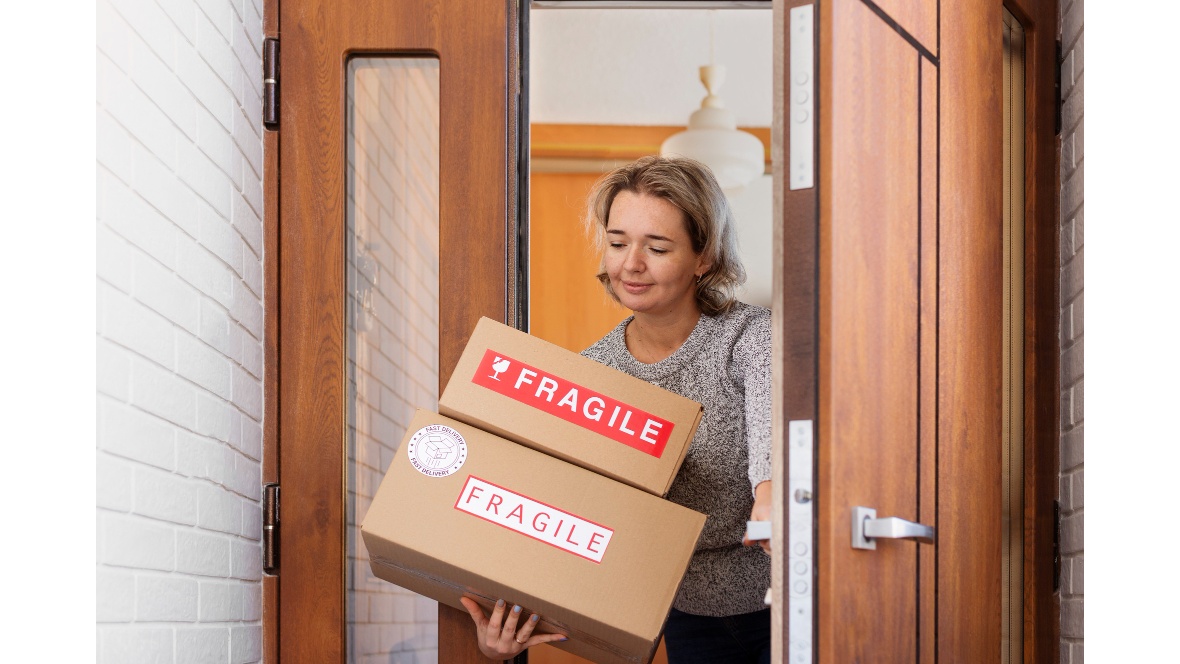
presents a unique challenge that leaves many wondering whether to hire professionals or tackle the 380-mile journey themselves. This major California relocation involves crossing multiple counties, navigating busy metropolitan areas, and managing logistics that can make or break your moving experience. Understanding the true costs and benefits of each option helps ensure your move goes smoothly without breaking the bank.
Professional moving companies charge based on several key factors that directly impact your final bill. The cost to move from San Francisco to Los Angeles typically ranges from $1,500 to $5,000 for most households, though luxury moves or those requiring extensive services can reach $7,100 or higher. These costs vary significantly based on home size, distance, and additional services selected.
Studio and one-bedroom apartments typically fall in the $1,800 to $4,500 range, though costs can vary based on specific circumstances and service levels. Larger homes with three or four bedrooms often exceed $5,000, with some reaching much higher depending on the volume of belongings and services required. The weight and volume of belongings play crucial roles—moving companies calculate costs based on both distance and the total weight being transported.
Premium services add significant costs but provide valuable benefits, according to the professional movers at . Full-service packing, specialty item handling for pianos or artwork, and white-glove delivery can increase your bill by 50% or more. However, some may find the cost worth it to ensure they preserve the value and utility of these kinds of sensitive items.
Renting a moving truck appears cost-effective on the surface, but hidden expenses quickly add up. The DIY approach requires careful calculation of all associated costs before making a decision.
A 26-foot truck rental for the San Francisco to LA route can cost anywhere from $1,200 to $2,000 during peak season, not including fuel. The exact cost depends on the rental company, time of year, and truck availability. Gas expenses for the approximately 380-mile trip can range from $300 to $500, depending on current fuel prices and truck efficiency. Additional fees include insurance coverage, mileage charges, and equipment rentals for dollies, furniture pads, and tie-down straps.
Many rental companies require deposits and charge extra for one-way rentals, which is standard for long-distance moves. Late return fees and cleaning charges can surprise unprepared renters who underestimate pickup and drop-off timing.
DIY moves demand significant physical effort and time investment that many underestimate. Loading and unloading furniture, navigating stairs, and safely securing items requires strength, technique, and often additional help from friends or hired labor.
The physical demands can lead to injury risks, particularly when handling heavy appliances, furniture, or boxes without proper equipment. Time costs include multiple days for packing, loading, driving, unloading, and returning rental equipment—time that could be spent on other moving tasks or work responsibilities.
Certain situations strongly favor hiring professional movers, particularly when considering long-term value beyond upfront costs.
Professional moving companies provide liability coverage and insurance options that protect valuable belongings during transport. Standard released value protection typically includes $0.60 per pound per item, though this minimal coverage may not be sufficient for valuable items. Full replacement value coverage costs extra but provides complete protection for high-value items and is often worth the additional expense.
DIY moves leave all responsibility with the renter, meaning damaged furniture, electronics, or personal items come out of pocket. Professional movers handle claims processing and replacement, removing stress from an already complicated situation.
Professional movers complete most San Francisco to LA relocations within 2-3 days, including packing services. This efficiency allows families to maintain work schedules and reduces time away from regular responsibilities.
Experienced movers bring proper equipment, techniques, and knowledge that prevent common moving mistakes like improper packing, inadequate protection of fragile items, and inefficient loading. They handle building restrictions, parking permits, and logistics that can delay DIY moves for days.
Summer months and weekends command premium pricing from professional movers, often 20-30% above off-peak rates. However, these same periods make DIY moves more challenging due to truck availability, traffic congestion, and weather considerations.
Booking professional movers during peak times ensures availability and professional handling when DIY options become scarce or impractical.
Moving containers and hybrid services offer middle-ground solutions between full-service moves and complete DIY approaches.
Companies like PODS and U-Pack deliver containers to your San Francisco location, allowing self-packing on your schedule. Container services can cost less than full-service movers while providing more convenience than truck rentals, though exact savings depend on the specific companies, container size, and services included.
These services include transport to Los Angeles and can provide temporary storage if needed. Loading and unloading remains the customer's responsibility, but eliminates driving concerns and truck return logistics.
Flat-rate quotes provide cost certainty that helps with moving budgets and eliminates surprise charges. Many professional moving companies offer guaranteed pricing that covers all standard services within the quoted amount.
Hourly pricing can work for smaller moves but creates uncertainty for long-distance relocations where delays, traffic, or complications can significantly increase final costs. However, flat-rate quotes aren't always the best option—understanding the pros and cons of both pricing models helps determine which works best for your specific situation.
Two primary factors—timing and home size—have the greatest impact on both professional and DIY moving costs.
Smaller apartments fall into predictable cost ranges that make budget planning easier. Studio apartments typically require 2-4 hours for professional loading and cost $1,800 to $2,600 for standard service, though costs can vary significantly based on specific circumstances.
One-bedroom apartments can range from $2,200 to $4,500 depending on furniture quantity, packing services, and move timing. These smaller moves often benefit most from professional services due to efficiency gains and reduced per-item costs.
Peak moving season runs from May through September, with July and August commanding the highest premiums. Weekend moves cost 15-25% more than weekday alternatives across all service types.
Planning moves for Tuesday through Thursday during off-peak months can result in savings for both professional and DIY options, though the exact amount varies by company and timing. Flexibility with timing often provides the best opportunity for cost reduction.
The 380-mile San Francisco to Los Angeles distance places most moves in the long-distance category, triggering weight-based pricing rather than hourly rates. Every additional 1,000 pounds can add $500-$1,000 to professional moving costs.
Decluttering before moving provides immediate cost savings by reducing weight and volume. Selling, donating, or discarding unnecessary items often saves more money than the items' replacement cost in Los Angeles.
The decision between professional movers and DIY ultimately depends on three personal factors that vary significantly between households:
Consider your specific situation carefully, weighing upfront costs against long-term value and personal well-being. The cheapest option isn't always the best choice when factoring in time, stress, and potential complications.


