Most New Jersey lawns struggle because the basics are out of sync. Without a soil pH test, fertilizer can’t do its job. Pair that with mistimed crabgrass control, summer stress habits, and missed fall feeding, and your lawn stays stuck in recovery mode.
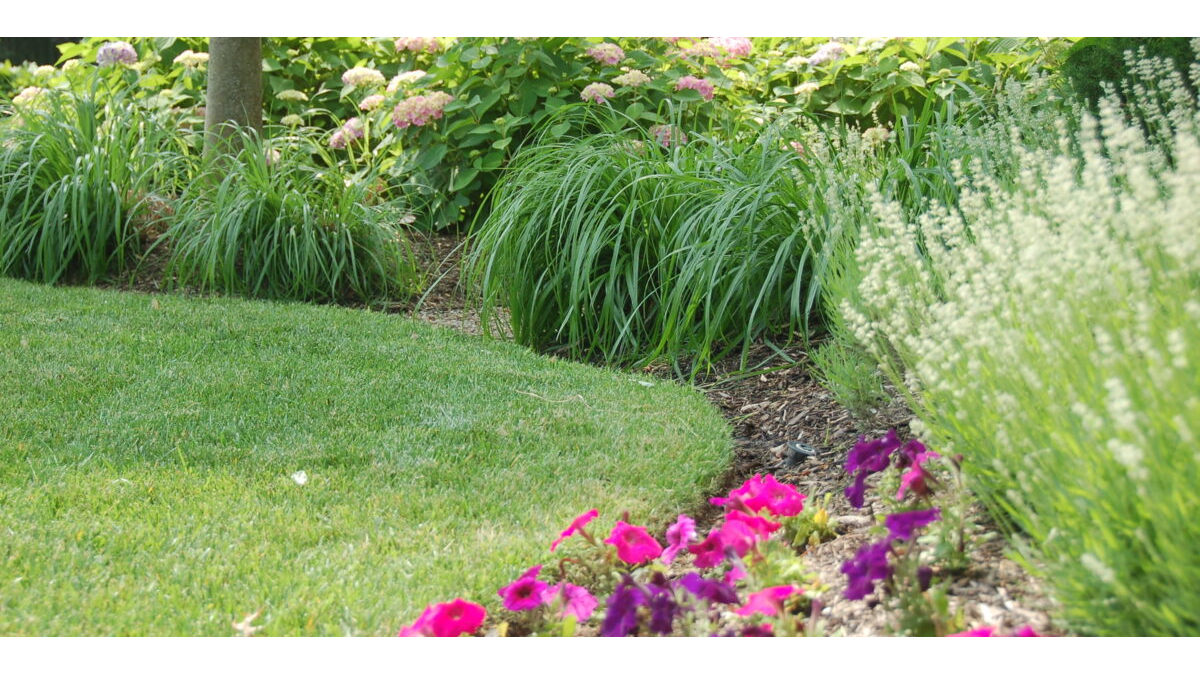
Most New Jersey homeowners see their lawns cycle between looking great for a week and struggling with bare spots, weeds, and stress damage. The difference between lawns that thrive all season versus those that constantly need rescue comes down to understanding what actually keeps grass healthy - not just green.
The typical suburban lawn receives weekly mowing, occasional fertilizer applications, and reactive treatments when problems appear. Yet many still experience the same frustrating cycle: temporary improvement followed by recurring issues. The problem is not lack of effort. It is lack of coordination between the fundamentals that create lasting lawn health.
Most homeowners focus on visible symptoms rather than underlying causes. A patchy lawn might get more seed and fertilizer, but without addressing soil compaction or pH imbalance, those patches return. Weed problems often trace back to thin, weak turf rather than a lack of herbicide.
Scape-Abilities integrates all lawn care elements under one coordinated program, reducing the disconnect between mowing, treatments, and seasonal timing that causes many lawn problems. When soil health, mowing practices, watering strategy, fertilization timing, and pest management work together, lawns hold steady through New Jersey’s growing season.
Healthy soil creates healthy grass, but many lawn care approaches ignore this foundation. New Jersey’s soil conditions can vary widely, and a generic fertilizer plan cannot adjust to what your lawn actually needs.
Soil testing reveals pH levels and nutrient availability, which determine whether fertilizer helps or creates new problems. When pH is out of range, nutrients can be present in the soil but unavailable to the grass.
A practical note: adjusting pH is not instant. In our experience, New Jersey soil tends to drift acidic, and lime can help shift it more alkaline, but it can take months to fully react in the soil. That is why testing and planning ahead matter.
Compacted soils prevent air, water, and nutrients from reaching the root zone, creating shallow roots that struggle in summer heat.
For New Jersey lawns, the most reliable aeration window is late August through mid-October. During this fall growing season, turf can recover quickly, soil conditions are usually more cooperative, and weed pressure is lower than in spring.
Soil pH affects nutrient availability more than the amount of nutrients present. When pH is too low or too high, grass cannot access what it needs, and fertilizing becomes expensive guesswork.
Soil conditions can also vary across a single property. Sun, shade, drainage, and prior construction can create pockets that need targeted adjustments rather than blanket treatments.
Proper mowing encourages deeper roots and natural weed suppression. Many homeowners cut too short, hoping to mow less, but short mowing weakens grass and opens the door to weeds.
Maintaining grass height at 3 to 4 inches during summer helps shade the soil, reduce evaporation, and support deeper roots. It can also help suppress crabgrass germination by limiting light at the soil surface.
Also, avoid removing more than one-third of the blade at a time. During fast growth periods, that can mean mowing more often, but it keeps the lawn from swinging between “scalped” and stressed.
Clippings can return nutrients to the soil, but only when they do not form clumps that smother turf. Sharp blades and dry mowing conditions make a big difference.
New Jersey summers bring heat, humidity, and uneven rainfall. The goal is to build drought tolerance, not dependency.
Deeper watering, a few times per week, encourages deeper roots. Early morning watering helps absorption and reduces disease pressure by allowing blades to dry.
During extreme heat, the goal is not to push growth. Raising mowing height, watering with intention, and reducing stress on the turf often does more than adding more inputs.
Timing matters as much as product choice. For cool-season grasses, fall feeding is often the most important part of the year.
Pre-emergent crabgrass control needs to be applied before crabgrass germinates. Many programs use soil temperature around 55°F as a key signal, but the exact window shifts year to year. The takeaway is simple: watch conditions, not the calendar.
Fall fertilization supports root growth and energy storage, setting the lawn up for winter and a stronger spring. It is one of the most reliable ways to reduce the boom-and-bust cycle homeowners often see.
For cool-season lawns, heavy summer nitrogen can push soft growth when the lawn is already under heat stress. Summer is usually the season to protect, not accelerate.
The healthiest lawns are not the ones sprayed the most. They are the ones monitored, supported by strong turf, and treated only when there is a clear reason.
Cultural practices like balanced nutrition, smart irrigation, and reduced stress can lower disease pressure. When chemical options are needed, they work best when timing and conditions are right.
Monitoring helps you treat early and precisely. Spot treatments can be more effective than blanket applications, with less disruption and less waste.
Professional lawn care services provide value through coordinated timing and documentation. The real win is not just knowing what to do, but aligning the “when” across mowing, watering, aeration, seeding, and treatments.
A coordinated program avoids common conflicts, like mowing too soon after an application, or watering in a way that reduces treatment effectiveness. It also allows adjustments when weather shifts.
Records of what was applied, when, and what happened next reduce trial and error. Over time, this creates a program that fits the property instead of forcing the property into a generic plan.
When mowing, treatments, and irrigation are handled separately, problems often turn into finger-pointing. With one accountable team, the focus stays on outcomes: a lawn that holds steady, week after week.
For Central New Jersey homeowners seeking consistent, professionally managed lawn care without the complexity of coordinating multiple vendors, Scape-Abilities provides integrated seasonal programs that address all aspects of lawn health under one accountable team.


