As more South Shore homeowners renovate instead of relocating, siding replacement is emerging as a top upgrade for improving comfort, efficiency, and resale value amid rising home and energy costs.
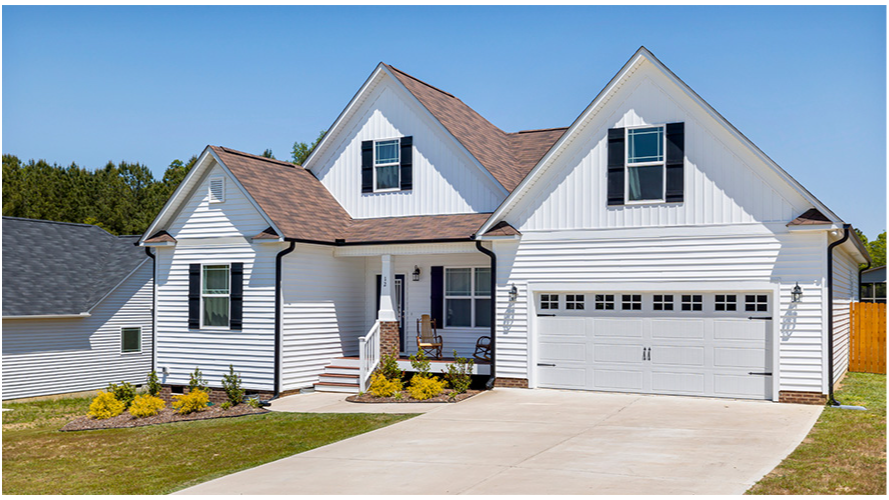
Home improvement activity across Boston’s South Shore is on the rise, with many homeowners investing in one major upgrade that offers both instant curb appeal and long-term returns: . As housing prices and energy costs continue to climb, exterior renovations are becoming a practical way for residents to preserve home value while improving comfort and efficiency.
This regional trend mirrors a broader national shift. A from the Joint Center for Housing Studies at Harvard University showed that U.S. homeowners spent over $480 billion on home improvements in 2024, with renovation spending projected to remain historically high through 2026. Rising mortgage rates have discouraged many from moving, prompting a “renovate rather than relocate” mindset nationwide. More than half of homeowners surveyed by Houzz in 2025 said they plan to invest in updates that improve functionality and resale value instead of selling their homes.
In the South Shore’s coastal climate, siding serves as the home’s first line of defense against wind, moisture, and salt exposure. Cracks, fading, or warping are more than cosmetic issues; they can signal trapped moisture, energy loss, and underlying structural problems. Replacing worn siding before these issues escalate help protect the home’s integrity and prevent costly repairs down the road.
Industry data supports the growing interest in exterior upgrades. According to the 2025 Cost vs. Value Report by Remodeling Magazine, siding replacement remains one of the highest-return projects nationwide, recouping roughly 80% or more of its cost at resale, a figure that surpasses most interior remodels. Fiber cement and engineered wood options tend to deliver the best combination of longevity, appearance, and return on investment.
Beyond aesthetics, new siding can improve a home’s energy performance. "Older materials often lose their insulating properties over time, allowing conditioned air to escape through cracks or poorly sealed joints," says Boston-based home exterior renovation company This Is The Way Construction. "New installations, especially those paired with upgraded insulation or weather barriers, can significantly reduce heat loss during New England’s colder months and lower cooling costs in summer."
Energy-efficient siding materials are becoming increasingly popular among South Shore homeowners who want to curb utility expenses. This Is The Way Construction notes that modern vinyl, composite, and fiber cement systems can enhance overall building envelope performance while maintaining a traditional New England appearance.
The average cost of a full siding replacement in Massachusetts varies by material and home size but typically ranges from $8,000 to $30,000. Vinyl remains the most cost-effective option, offering durability and minimal maintenance. Composite and fiber cement alternatives carry higher upfront costs but deliver longer lifespans and greater resistance to rot, pests, and weather-related wear.
While the price tag may seem steep, the long-term value often outweighs the expense. Well-installed siding can last two to three decades, preserve property value, and reduce maintenance costs compared with ongoing patch repairs or repainting older materials.
Local contractors across the South Shore report that siding replacement requests have surged over the past year, driven by both economic and environmental factors. Many homeowners are prioritizing upgrades that balance functionality and visual appeal, especially those that prepare homes for harsher winters and rising energy prices.
Homeowners in coastal regions are opting for materials that withstand humidity, salt exposure, and temperature swings without frequent repainting or replacement.
While financial and efficiency benefits play a large role, homeowners also view siding replacement as a way to refresh outdated façades. New materials come in a wide range of textures, colors, and finishes that mimic natural wood or stone without the maintenance demands. Lighter hues have become popular for reflecting sunlight and keeping interiors cooler, while darker, modern tones add contrast and dimension.
Design professionals say these stylistic upgrades can influence first impressions and marketability, particularly in competitive real estate markets. A well-maintained exterior signals to prospective buyers that the home has been cared for, potentially reducing negotiation points during sale discussions.
For South Shore residents evaluating home improvement priorities, siding replacement stands out as both a protective measure and a value-building investment. With solid data supporting its high return, improved energy performance, and aesthetic flexibility, it offers tangible benefits beyond surface-level appeal.


