Think Pandora and Tiffany both use 925 sterling silver for their butterfly rings, but there’s a crucial reason behind this choice—and understanding it could completely change how you evaluate jewelry quality and long-term value before your next purchase.
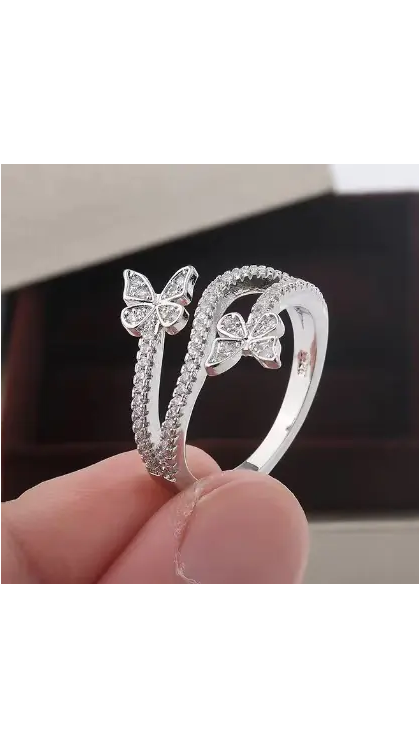
The gold plating thickness in Pandora Shine pieces is engineered for durability under normal wear conditions. While not as permanent as solid gold, the plating provides months or years of gold appearance before requiring refreshing, making it an attractive option for fashion-conscious buyers who prefer gold's warmth to silver's coolness.
Tiffany & Co. uses sterling silver as the foundation for their accessible butterfly jewelry, creating entry points into the brand's luxury ecosystem. These pieces maintain the company's exacting standards for finish quality and design sophistication while remaining attainable for a broader customer base. The sterling silver butterfly rings often feature the brand's signature polishing techniques that create mirror-like surfaces reflecting light across wing surfaces.
Design complexity in Tiffany's silver butterfly pieces often rivals their precious metal counterparts. The brand leverages sterling silver's workability to create dimensional wing structures and textural details that would be cost-prohibitive in platinum or gold. This approach allows customers to experience Tiffany's design language and craftsmanship quality without premium metal investment.
Tiffany's high-end butterfly offerings, such as the Enchant Butterfly Ring, showcase platinum's superior properties for luxury applications. Platinum's natural white color eliminates the need for rhodium plating, while its density and durability support substantial diamond settings. These pieces represent the pinnacle of butterfly jewelry craftsmanship, where material costs support elaborate gemstone layouts and complex metalwork.
The platinum choice for premium collections reflects both aesthetic and practical considerations. Platinum's hypoallergenic properties make it suitable for customers with metal sensitivities, while its resistance to tarnishing and wear ensures long-term beauty. Diamond selections in these pieces often feature multiple cuts and sizes arranged to simulate natural butterfly wing patterns and iridescence.
Tiffany's Love Bugs collection demonstrates sophisticated metal mixing techniques that combine 925 sterling silver with 18k yellow gold accents. This approach creates visual contrast and dimensional interest while managing material costs. The gold elements typically highlight specific design features like antenna, body segments, or wing borders, creating focal points that guide the eye across the piece.
Mixed metal construction requires precise joining techniques to ensure long-term durability. Tiffany's approach involves mechanical connections and soldering methods that maintain structural integrity while preserving each metal's distinct appearance. This technique allows for color contrast impossible to achieve with single-metal construction.
Sterling silver's reaction to environmental factors creates ongoing maintenance requirements that buyers must understand before purchase. Exposure to air moisture, skin oils, and sulfur compounds causes the characteristic darkening that requires regular attention. Butterfly rings with intricate wing details present particular challenges, as tarnish can accumulate in recessed areas that are difficult to clean thoroughly.
Effective silver maintenance involves multiple approaches beyond simple polishing. Proper storage in anti-tarnish pouches or cloths slows oxidation when pieces aren't being worn. Regular gentle cleaning with silver-specific solutions helps maintain luster without damaging delicate details. Professional cleaning every six to twelve months, or as needed for intricate designs or heavy wear, helps maintain optimal appearance.
Gold alloys, particularly 14k and higher karat compositions, demonstrate superior resistance to surface damage compared to sterling silver. The metal's inherent hardness and tarnish resistance create lower maintenance requirements over time. Gold butterfly rings maintain their polish and color consistency through daily wear conditions that would require frequent silver cleaning and maintenance.
The trade-off for gold's durability advantages comes in initial cost and ongoing value considerations. While gold pieces require less frequent professional maintenance, their higher purchase prices may not align with all budgets. Understanding this balance helps buyers make informed decisions about long-term ownership costs versus immediate accessibility.
Choosing between sterling silver and other precious metals for butterfly rings requires honest assessment of personal priorities, budget constraints, and wearing habits. Frequent jewelry wearers who prefer low-maintenance pieces may find gold's durability worth the additional investment, while occasional wearers might appreciate silver's accessibility and design variety.
Budget considerations extend beyond initial purchase price to include long-term maintenance costs and potential replacement needs. Sterling silver pieces may require more frequent professional cleaning and eventual refinishing, while gold pieces typically maintain their appearance with minimal intervention. Understanding these ongoing costs helps create realistic ownership expectations.
Lifestyle factors also influence material choice significantly. Active individuals who expose jewelry to moisture, chemicals, or physical stress may benefit from gold's resilience. Those who enjoy changing jewelry frequently or following fashion trends might prefer silver's lower investment threshold for experimental purchases.
For those seeking exceptional value in 925 sterling silver butterfly jewelry with professional craftsmanship, explore the curated collection at https://shopgemira.com/, where quality meets accessibility in fine jewelry design.


