Did you know that a standard garage door can only withstand 90 MPH winds—far below what Miami hurricanes deliver? If you’re living in a High-Velocity Hurricane Zone, your garage door might be your home’s weakest link when the next storm hits.
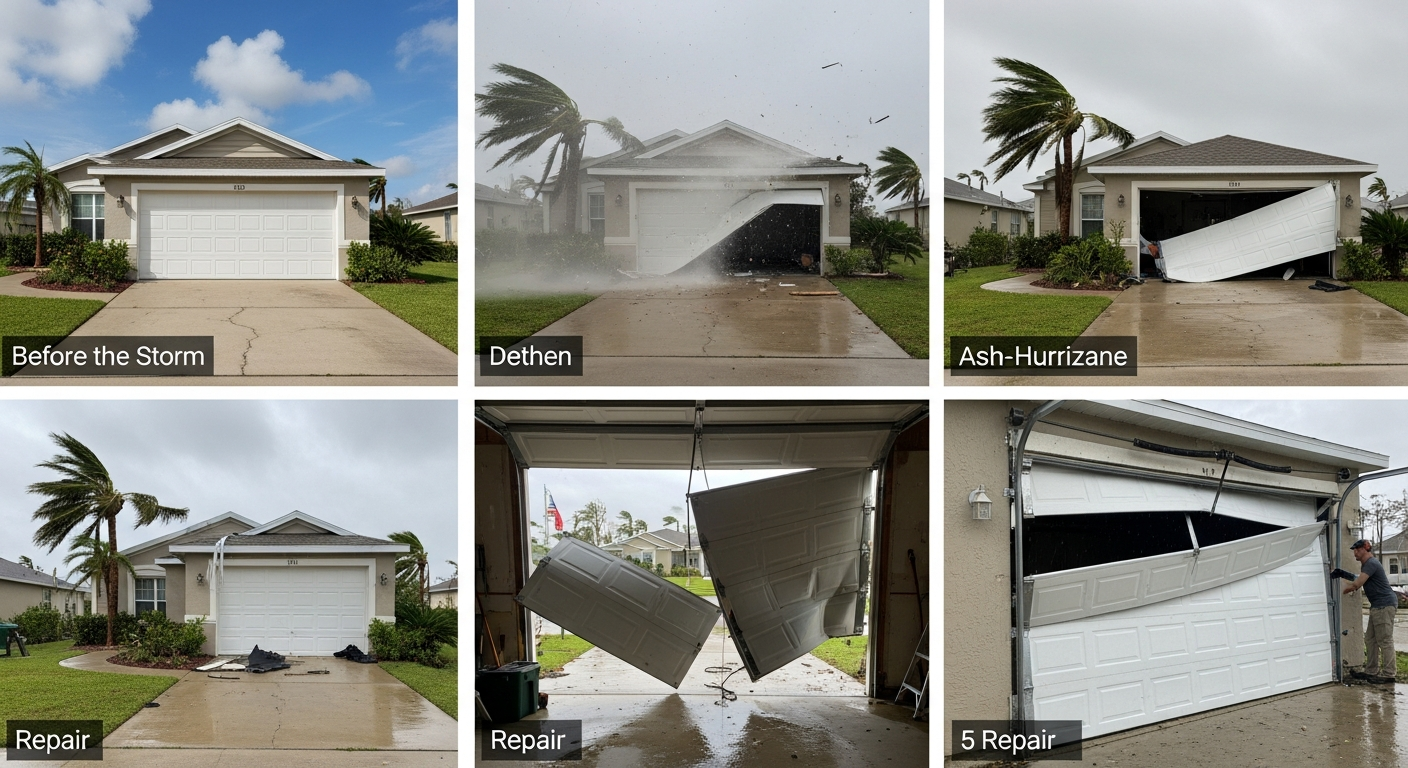
Living in Miami means preparing for hurricane season every year. While many homeowners focus on windows and roofing, garage doors represent one of the most vulnerable entry points during severe weather. Understanding the specific requirements and building codes for hurricane impact garage doors can mean the difference between minor repairs and catastrophic damage to your home's structure.
Miami-Dade County sets some of the strictest hurricane door requirements in the nation. Every hurricane impact garage door installed in the county must meet or exceed specific design pressure (PSF) ratings, which are determined by factors such as wind speed maps, exposure categories, and building height. While doors are engineered to withstand very high wind speeds, often exceeding 180 MPH, the specific ultimate design wind speed rating in MPH is a reference that varies and is not a universal mandate for all doors. This isn't just a recommendation—it's a legal requirement that affects building permits, insurance coverage, and home safety.
The ultimate design wind speed rating in MPH represents a reference for the maximum wind speed the door can withstand. However, the more precise measure of a door's structural resistance before failure is its design pressure (PSF), which accounts for both sustained winds and powerful gusts. This measurement accounts for both sustained winds and the powerful gusts that accompany major hurricanes. Gate Repair Pro specializes in installing hurricane impact garage doors that meet these stringent Miami-Dade requirements, ensuring homeowners receive doors engineered for maximum protection.
Understanding this wind speed requirement helps homeowners make informed decisions about their garage door investments. Standard residential garage doors typically handle winds up to 90 MPH, making them inadequate for Miami's hurricane-prone environment. The dramatic difference in engineering between standard and hurricane-rated doors justifies the additional investment for long-term protection.
The Florida Building Code establishes standards that go beyond simple wind resistance. These regulations create a multi-layered approach to hurricane protection, addressing everything from structural integrity to water penetration resistance.
Miami falls within Florida's High-Velocity Hurricane Zone, which triggers the most demanding building requirements in the state. HVHZ regulations require garage doors to withstand design pressures calculated using enhanced wind speed maps and exposure categories. These calculations consider factors like building height, terrain roughness, and proximity to the coastline.
The HVHZ designation means garage doors must undergo additional testing protocols beyond standard hurricane zones. Manufacturers must demonstrate their products can handle the extreme conditions unique to South Florida's coastal environment, including salt air exposure and rapid pressure changes during storm events.
Florida requires hurricane garage doors to pass rigorous impact testing that simulates flying debris scenarios. The testing involves two distinct phases: large missile impact tests using 9-pound 2x4 lumber pieces fired at 50 feet per second, and small missile impact tests using 2-gram steel ball bearings shot at 130 feet per second.
These tests ensure doors can withstand the projectiles commonly generated during hurricane-force winds. Trees, roof tiles, outdoor furniture, and construction materials all become dangerous missiles in extreme weather. Impact-resistant doors feature reinforced materials like laminated glass, steel framing, and impact-resistant panels designed to absorb and deflect these forces without compromising the door's structural integrity.
TAS 202 testing evaluates a garage door's ability to resist water infiltration during severe weather events. The test subjects doors to simulated hurricane conditions, combining water spray designed to replicate driving rain with static pressure, typically at a minimum of 15% of the positive design pressure.
This testing is vital because water damage often exceeds wind damage costs during hurricanes. Doors that fail water penetration tests allow moisture into garages and homes, leading to mold growth, electrical damage, and structural deterioration. Compliant doors feature advanced weatherstripping systems and sealed construction that maintains integrity even under extreme pressure differentials.
Hurricane-compliant garage doors incorporate specific design elements and materials that distinguish them from standard residential doors. These features work together to create a protection system capable of withstanding extreme weather conditions.
Hurricane doors use heavy-gauge steel or reinforced aluminum construction that provides superior strength compared to standard door materials. Steel doors typically feature 20-gauge or thicker steel panels with reinforced ribs and cross-bracing. The frame systems use commercial-grade materials with strengthened connection points that distribute wind loads across the entire door structure.
Aluminum hurricane doors offer corrosion resistance particularly valuable in Miami's salt-air environment. These doors feature extruded aluminum sections with internal reinforcement and thermal breaks that prevent heat transfer. Both steel and aluminum options include impact-resistant glazing when windows are present, using laminated glass that holds together even when cracked.
The hardware components on hurricane doors also receive upgrades. Heavy-duty hinges, reinforced tracks, and commercial-grade springs ensure the door operates smoothly despite the additional weight of hurricane-rated materials. Professional installation becomes critical with these systems, as improper mounting can negate the door's protective capabilities.
Performance Grade ratings provide a standardized method for comparing hurricane door capabilities. PG ratings consider design pressure, water penetration resistance, air infiltration, and structural performance under various load conditions.
The PG system helps homeowners understand exactly what protection level their door provides. Higher PG ratings indicate doors capable of handling more extreme conditions, with doors suitable for the most exposed coastal locations requiring higher ratings.
Selecting an appropriate hurricane garage door requires careful consideration of multiple factors beyond basic wind resistance. The right choice depends on your specific location, home design, budget, and long-term protection goals.
Miami-Dade County maintains a Product Approval database listing all building products that meet local hurricane standards. This approval process involves independent testing and ongoing quality assurance monitoring. Garage Doors without Miami-Dade approval cannot legally be installed in the county, regardless of other certifications they might hold.
The approval process evaluates products under the specific conditions encountered in South Florida. This includes testing for cyclic loading, which simulates the repeated stress cycles doors experience during extended storm events. The database provides detailed information about approved wind loads, impact ratings, and installation requirements for each product.
Homeowners should always verify product approval numbers before making purchase decisions. Insurance companies may deny claims for damage to non-approved products, even if the door appeared to meet hurricane standards. Working with certified installers familiar with the approval database ensures compliance with all local requirements.
Florida Building Code categorizes properties based on their hurricane exposure level, with Exposure Category D representing the highest risk coastal areas. Miami properties typically fall into Exposure Category C or D, each requiring different design wind speeds and structural considerations.
Exposure assessments consider factors like terrain roughness, nearby buildings, and distance from the coastline. Properties in open areas or near water face higher wind loads than those surrounded by buildings or natural windbreaks. Professional wind load calculations account for these variables to determine appropriate door specifications for each specific location.
Understanding your exposure category helps optimize door selection and budget allocation. Properties in higher exposure categories benefit from investing in doors with ratings above minimum code requirements, providing additional safety margins during extreme events.
High-Velocity Hurricane Zone standards influence material selection for optimal performance and longevity. Steel doors offer maximum impact resistance and structural strength, making them ideal for properties facing extreme exposure. However, coastal environments require galvanized or powder-coated finishes to prevent corrosion from salt air exposure.
Aluminum doors and gates provide excellent corrosion resistance and lighter weight, reducing stress on door hardware and opening mechanisms. Modern aluminum hurricane doors achieve impact ratings comparable to steel through advanced extrusion designs and reinforcement techniques. The material choice often depends on architectural requirements and maintenance preferences.
Insulated hurricane doors offer energy efficiency benefits alongside storm protection. These doors feature foam cores that improve thermal performance while maintaining structural integrity. Insulated options work particularly well for attached garages where temperature control affects home energy costs.
Hurricane-compliant garage doors often qualify for homeowner's insurance discounts that can offset their higher initial costs. Insurance companies recognize that properly installed hurricane doors significantly reduce claim risks, particularly for wind and water damage to garage contents and attached living spaces.
The long-term value proposition extends beyond insurance savings. Hurricane doors protect vehicles, stored belongings, and home structural elements that would be expensive to replace after storm damage. They also help maintain positive air pressure inside homes, reducing the risk of roof uplift and structural failure during extreme weather events.
Property values in hurricane-prone areas increasingly reflect storm protection investments. Homes with storm protection, including compliant garage doors, often command premium prices and sell more quickly than properties with standard construction.
Even the highest-quality hurricane door provides inadequate protection if improperly installed. Professional installation ensures doors meet all code requirements while maximizing their protective capabilities during severe weather events.
Certified installers understand the specific requirements for hurricane door mounting, including proper anchoring techniques, structural reinforcement needs, and weatherproofing details. They verify that wall construction can support the additional loads imposed by hurricane-rated doors and make necessary modifications to ensure code compliance.
Professional installation also includes proper adjustment of door balance, operation, and safety systems. Hurricane doors require precise calibration to operate smoothly despite their increased weight and structural complexity. Improper adjustment can lead to premature wear, operational failures, or reduced protection during storm events.
The installation process typically includes permitting and inspection coordination with local building departments. Professional installers handle these administrative requirements, ensuring all work meets current code standards and receives proper approvals. This documentation becomes important for insurance claims and future property transactions.
Warranty coverage often depends on professional installation, with manufacturers requiring certified installers to maintain product warranties. DIY installation or work by unqualified contractors can void warranty protection, leaving homeowners responsible for future repair costs.
For expert hurricane impact garage door installation and code compliance guidance in Miami, visit Gate Repair Pro to ensure your home receives maximum hurricane protection.


