Even thornless blackberries need structure to thrive. Proper trellis setup improves airflow, sunlight exposure, and harvest ease, while supporting heavy canes. Gardeners who plan carefully and train plants early can boost yields and maintain healthy, productive blackberry patches year after year.
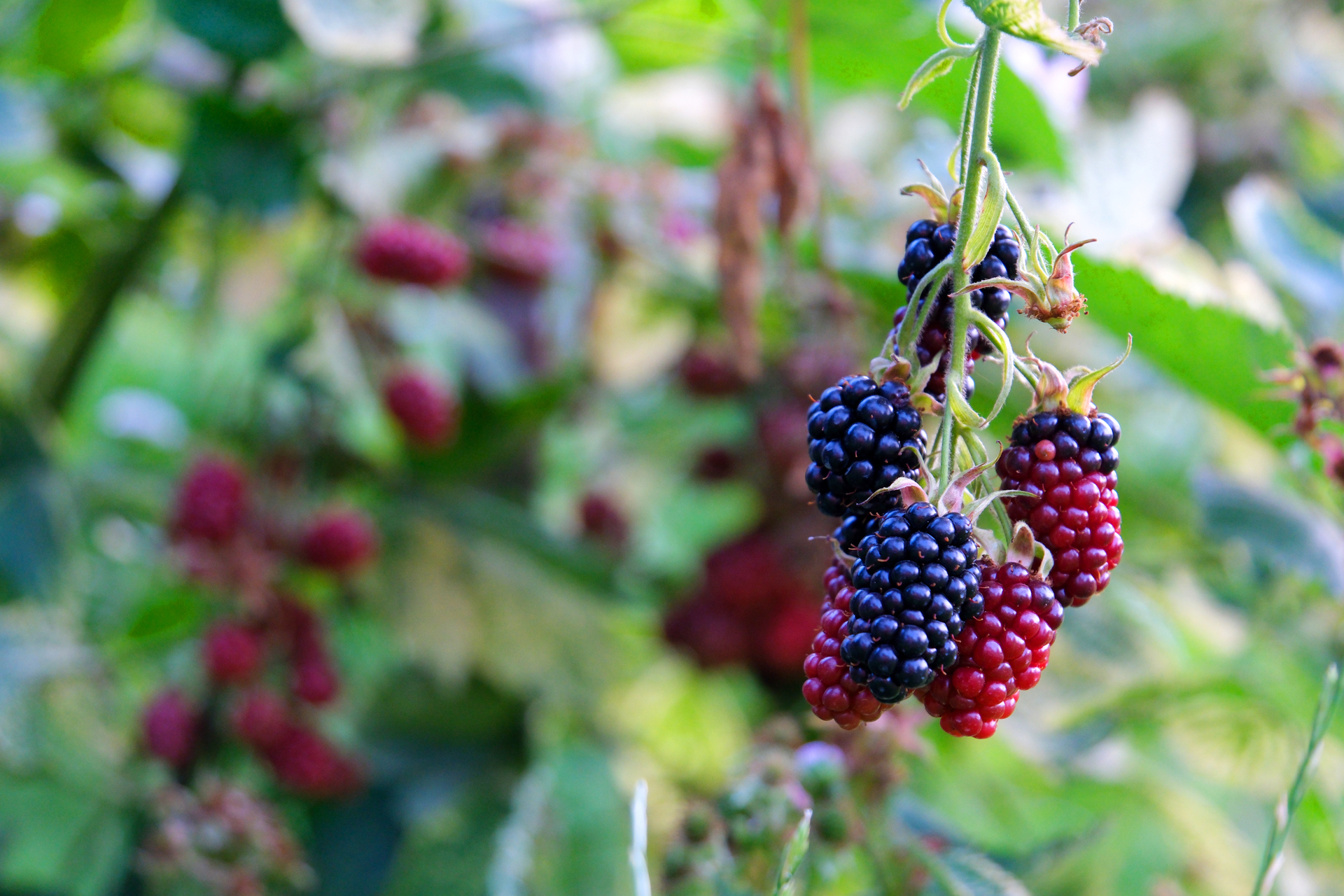
Blackberries are among the most rewarding fruits to grow, but without proper support, their long canes can quickly become tangled, broken, or underproductive. Thornless varieties make harvesting safer and easier, yet even these require a structured approach to thrive.
A well-planned trellis system ensures plants stay upright, receive adequate airflow, and produce abundant, high-quality fruit, no matter the climate or growing conditions. For gardeners looking to start strong, understanding trellis design and setup is critical.
Many gardeners underestimate how quickly blackberry canes grow and how heavy fruit-laden canes become. Thornless varieties still produce sprawling, flexible canes that can reach 10-15 feet in a single season. Without support, these canes can:
A trellis system addresses these challenges by training canes to grow in a controlled pattern, improving sunlight exposure, and allowing air to circulate freely around the plant.
Parallel or multi-wire systems use multiple wires at staggered heights, allowing canes to fan out horizontally. This setup optimizes space for high-density planting but requires careful pruning to prevent overcrowding.
Before installing a trellis, preparation is key. Thornless blackberries perform best when planted in well-drained soil with a slightly acidic pH (around 5.0-6.5). Some practical steps include:
Proper site preparation minimizes future maintenance and reduces the risk of canes sprawling beyond the trellis or damaging neighboring plants.
Once the site is ready, installation follows a step-by-step approach:
Properly installed trellises keep canes off the ground, making pruning, spraying, and harvesting simpler while improving fruit quality.
Pruning is critical to maximize blackberry yield and keep plants healthy. Thornless blackberries produce fruit on second-year canes, so knowing which canes to remove is essential:
By following these steps, gardeners can maintain a productive and tidy planting, preventing issues like disease and low fruit quality.
A healthy trellis system is only as strong as the soil it stands in. Thornless blackberries benefit from consistent nutrition throughout the growing season:
These practices ensure plants have the nutrients necessary for vigorous growth and heavy fruit production.
Even thornless varieties face challenges, especially if the trellis is neglected:
Gardeners who follow a structured trellis plan can avoid these common pitfalls, leading to higher yields and healthier plants.
Maintaining Your Trellis Over Time
A trellis is a long-term investment that benefits from ongoing care that includes:
Consistent maintenance ensures the trellis continues to provide optimal support for years to come.
Thornless blackberries are easier to manage than their spiny relatives, but they still require careful planning and trellis support for optimal results. Gardeners who invest time in selecting the right trellis type, preparing soil properly, and training canes early will enjoy a productive, low-maintenance blackberry patch.
Additionally, trellis kits are available that provide everything needed to set up thornless blackberries with the right structure and support. A reliable trellis system combined with consistent pruning, fertilization, and care ensures thornless blackberries flourish season after season, providing sweet, abundant fruit for years to come.


