Fine hair breaks more easily than thick hair because it has fewer protective cuticle layers—but beauty experts have discovered specific lightweight treatments and heat protection techniques that can actually restore damaged strands without weighing them down.
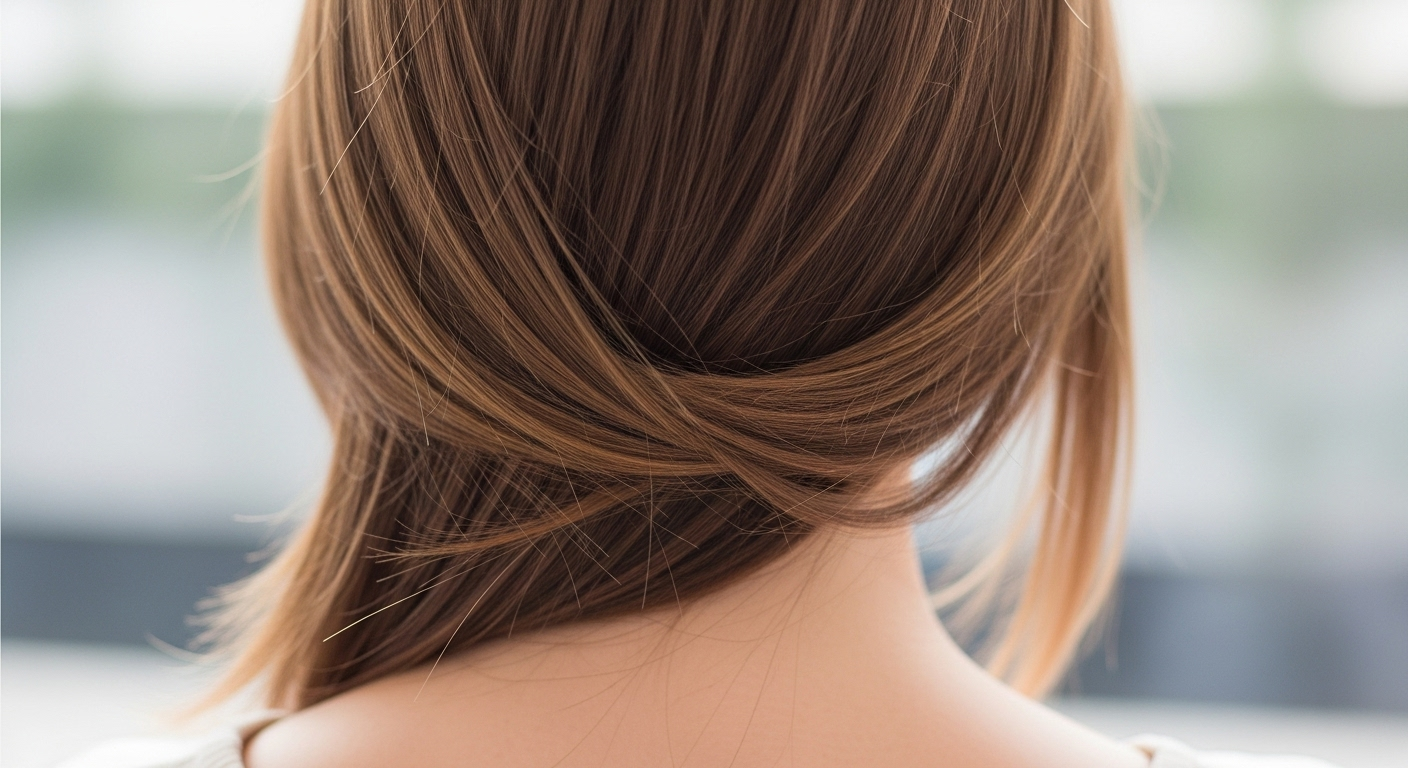
Because fine hair has fewer cuticle layers, each strand contains less protein and fewer natural defenses. That fragile structure makes it especially prone to everyday stressors — from hot tools and coloring to something as simple as rough brushing. Damage can show up in days, not weeks.
Another factor: fine hair often produces less natural oil. Without enough of that built-in moisture shield, strands dry out quickly. Once the cuticle lifts, hair loses its smoothness and develops a rough, brittle texture — creating a cycle where damaged hair becomes even more susceptible to breakage.
Environmental exposure only intensifies the problem. UV rays, pollution, and humidity all take a heavier toll on fine strands. That's why hair experts at highlight the importance of professional-grade treatments formulated specifically for fine hair — the right approach can interrupt this cycle and help restore resilience.
Traditional hair masks can backfire on fine strands. Heavy oils and butters often leave hair limp, flat, or greasy. Lightweight masks formulated for fine to medium hair rely on smaller protein molecules that penetrate the shaft without coating the exterior. The result is hydration and repair that don't sacrifice movement or body.
The key is targeting damage where it starts. Water-based formulations with hydrolyzed keratin, silk proteins, amino acids, and humectants penetrate into the cortex — the part of the strand most vulnerable to breakage. These ingredients help rebuild internal structure, restore elasticity, and smooth microscopic gaps without leaving behind residue or heaviness.
For most fine hair, a mask once a week is enough to maintain hydration without weighing strands down. Drier hair may benefit from 2-3 treatments weekly, depending on how it responds. If hair starts feeling limp or flat, scale back the frequency; if dryness persists, alternate between lightweight hydration masks and reparative formulas to avoid overloading delicate strands.
Rich in fatty acids, antioxidants, and vitamin E, argan oil hydrates strands, boosts elasticity, and shields against free radical damage. Its lightweight molecular structure makes it a go-to for fine hair, delivering nourishment without heaviness. A few drops on damp hair absorb quickly, leaving strands smooth, shiny, and more resilient.
Sweet almond oil provides vitamin E and fatty acids that moisturize, strengthen, and soothe the scalp. Its emollient properties help seal the cuticle to lock in hydration and prevent future damage. Used as a pre-shampoo treatment — applied to mid-lengths and ends about 30 minutes before washing — it deeply conditions without leaving residue that weighs down fine strands.
Packed with vitamin E, flavonoids, and linoleic acid, grapeseed oil supports healthy growth and scalp health while restoring shine. Its ultra-light texture is ideal for fine hair that resists heavier oils. Because it absorbs rapidly, it delivers nutrients deep into damaged areas and helps rebuild the hair's lipid barrier to reduce breakage over time.
Coconut oil is prized for its ability to minimize protein loss and penetrate the shaft rather than sit on the surface. It can also help prevent dandruff and boost hydration. For fine hair, less is more: apply sparingly to the most damaged ends, warming a small amount between your palms to deliver intensive repair without overwhelming delicate strands.
Fine hair requires much lower heat than thicker textures to achieve results. Experts recommend keeping styling tools under 200°F to protect delicate fibers. Higher settings lift the cuticle, leaving strands porous and prone to breakage. Modern tools with adjustable temperature controls make it easy to suit heat levels by hair type — so always start with the lowest effective setting to preserve integrity while still achieving smooth, styled looks.
How you dry matters just as much as how hot it gets. Holding a blow dryer about 6 inches away helps prevent concentrated heat from scorching strands. Research shows that distance plus continuous movement distributes airflow evenly, avoids hot spots, and allows moisture to evaporate gradually — keeping fine hair smooth instead of brittle.
A heat protectant is a must whenever tools come out. These sprays and serums use silicones and polymers to form a protective barrier around each strand, shielding against dryness and split ends. For fine hair, the best formulas feel lightweight yet effective. Apply evenly to damp hair before blow-drying, flat-ironing, or curling to lock in defense without weighing hair down.
Regular trims are the only way to get rid of split ends and stop them from traveling further up the shaft. Experts recommend scheduling a cut every 6-8 weeks to maintain health while still allowing for growth. Point out damage patterns to your stylist so trims target problem areas without compromising your overall style.
Fine hair needs extra care when it comes to knots. Always start detangling from the ends and work upward using a wide-tooth comb or fingers. Wet hair is especially fragile, so apply a detangling spray or leave-in conditioner to add slip. Work in small sections and avoid forcing through tangles — patience here prevents unnecessary breakage.
Because fine hair shows oil more quickly, frequent shampooing can strip away protective natural oils. Try reducing wash days to every other day when possible. Some scalps may still need daily cleansing, but alternating with dry shampoo is a gentle way to extend time between washes. The bonus: dry shampoo adds volume and texture, giving fine hair a lift while allowing damaged strands more time to recover.
Salon treatments provide concentrated repair that at-home care can't always match. With higher levels of active ingredients and professional application techniques, these services penetrate more deeply and deliver longer-lasting results.
Options such as keratin treatments, protein reconstructors, and intensive conditioning systems can improve the strength and appearance of fine hair. Professional colorists and stylists are also equipped to customize treatments to unique needs, ensuring repair without unnecessary weight.
The most effective approach combines salon treatments with consistent home care. Regular professional maintenance every 6-8 weeks, supported by lightweight daily routines, can transform hair health and resilience over time.


