Commercial property owners in East Texas could be cutting their roofing costs in half with preventative maintenance… but most wait until emergency repairs cost three to five times more. Here’s what local contractors know about protecting buildings from the region’s hail, humidity, and extreme heat.
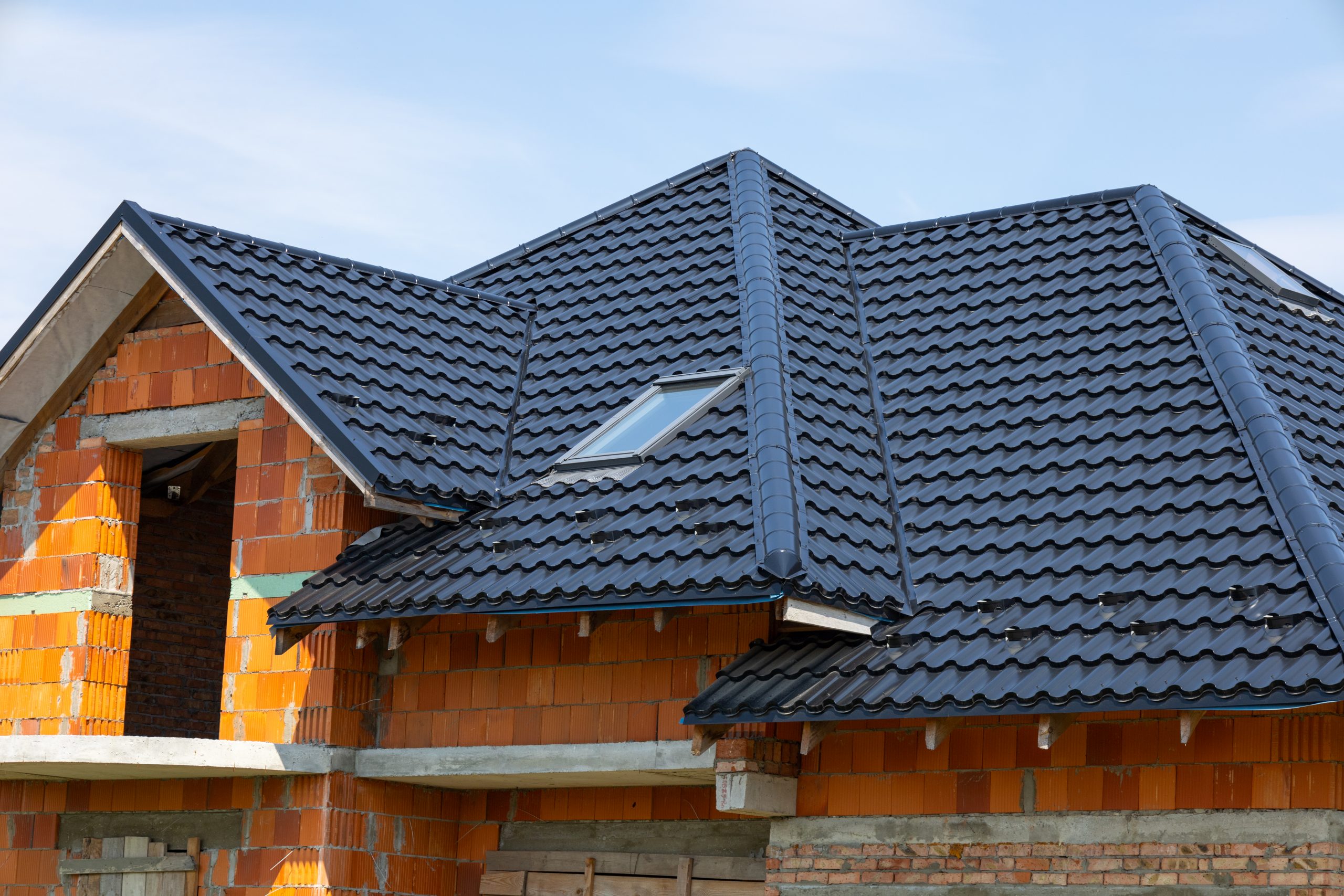
Commercial property owners in East Texas face unique roofing challenges that require specialized knowledge and proven solutions. The region's combination of intense UV exposure, high humidity, temperature extremes, and frequent severe weather creates conditions that accelerate roof deterioration faster than national averages suggest.
So what's the solution?
Texas consistently experiences more hail-related weather events than any other state, with East Texas adding the complications of high humidity and heavy storm seasons. This combination creates roofing stress factors that most national performance estimates fail to account for, making material selection critical for long-term building protection.
Commercial roofing systems in this region must handle rapid temperature cycling, UV degradation, and impact resistance simultaneously. Understanding what a qualified roofing contractor brings to material selection and installation is essential when protecting substantial commercial investments against East Texas weather patterns.
High humidity environments create specific challenges for commercial roofing materials that don't exist in drier climates. Moisture cycling, condensation formation, and extended wet periods require materials engineered to handle these conditions without premature failure.
TPO (Thermoplastic Olefin) roofing membranes demonstrate exceptional performance in East Texas conditions through their inherent resistance to UV damage, tears, and punctures. Industry testing shows properly installed TPO systems achieving lifespans exceeding 20 years, even under intense solar exposure and humidity cycling common to the region.
The heat-welded seams in TPO installations create watertight bonds that resist separation during temperature expansion and contraction. This seamless approach eliminates the weak points that cause premature failures in other membrane systems, particularly important in climates where thermal stress occurs daily.
EPDM (Ethylene Propylene Diene Monomer) rubber membranes bring over 60 years of proven performance to commercial roofing applications. Many EPDM systems exceed 30-40 years in service due to their inherent flexibility and superior resistance to hail damage and punctures.
The material's flexibility allows EPDM to accommodate building movement and thermal expansion without cracking or splitting. In East Texas, where afternoon temperatures can reach well over 150°F on roof surfaces followed by rapid cooling during storm events, this flexibility prevents the stress fractures that compromise other roofing materials.
Modified Bitumen systems combine traditional asphalt with polymer modifiers like SBS or APP, creating enhanced flexibility, elasticity, and durability. These multi-ply systems excel on commercial buildings with significant rooftop equipment or regular maintenance access requirements.
The layered construction provides excellent waterproofing with built-in redundancy. If the top layer sustains damage from equipment installation or severe weather, the underlying plies maintain building protection while repairs are scheduled and completed.
Commercial roof damage claims in Texas require specific documentation and professional expertise to ensure fair settlements. The complexity of commercial roofing systems means damage assessment requires trained professionals who understand membrane construction, seam integrity, and subsurface impact effects.
Successful commercial roofing claims require prompt notification, detailed photographic documentation, and thorough damage reports that connect visible surface damage to potential underlying issues. Photos should capture membrane punctures, seam separations, equipment damage, and any pooling water that indicates structural deflection.
Video documentation is particularly valuable for commercial claims because it can show water infiltration patterns, membrane movement during wind events, and the relationship between rooftop equipment damage and membrane compromise. This detailed approach helps adjusters understand the full scope of damage beyond surface-level assessment.
Insurance adjusters work for insurance companies and may not possess the technical expertise to identify all commercial roofing damage. Having a qualified contractor present during inspections ensures that membrane bruising, seam stress, insulation saturation, and equipment mounting damage receive proper attention and documentation.
Experienced commercial roofing contractors understand how hail damage affects different membrane types, can identify impact damage that appears minor from ground level, and recognize when seemingly small surface damage indicates more extensive underlying problems requiring immediate attention.
Preventive commercial roof maintenance programs demonstrate measurable financial benefits, with industry studies showing overall roofing cost reductions up to 50% and roof lifespan extensions of 20% or more. These programs deliver substantial ROI by minimizing emergency repairs and improving energy efficiency.
Scheduled inspections every six months, plus post-storm assessments after significant weather events, identify developing problems before they cause interior damage. Flat and low-slope commercial roofs require particular attention because small seam failures can cause extensive interior damage before becoming visible from ground level.
Professional inspections focus on membrane integrity, seam adhesion, drainage functionality, equipment mounting security, and flashing conditions. Early identification of minor issues allows repairs during favorable weather conditions rather than emergency situations that cost three to five times more.
Seam failures represent a leading cause of commercial roof leaks, often beginning as minor separations that progressively worsen under wind loading and thermal stress. Regular inspection programs identify these failures when they can be repaired with localized seam welding or adhesive application.
Pooling water detection prevents structural damage by identifying drainage problems, membrane sagging, or equipment settlement before water infiltration occurs. Addressing drainage issues proactively maintains membrane integrity and prevents the costly structural repairs associated with prolonged water exposure.
Financial analysis consistently shows preventive maintenance delivering significant ROI compared to reactive repair approaches. Emergency repairs typically cost $0.50-$3.00 per square foot for patching leaks and seam resealing, while preventive maintenance plans average $0.03-$0.30 per square foot annually, creating substantial savings over typical commercial roof lifespans.
The ROI calculation improves further when factoring in avoided interior damage, business interruption costs, and equipment protection. Commercial buildings with documented maintenance histories also experience smoother insurance claim processes and reduced premium costs over time.
Choosing local commercial roofing contractors provides distinct operational advantages that out-of-market companies can't match. These benefits are particularly important for ongoing maintenance relationships and emergency response situations.
Commercial roofing projects in Texas operate under multi-layered code requirements including municipal, state, and international standards with local amendments. Regional contractors maintain current knowledge of wind-load requirements, International Building Code adoption patterns, and local permitting processes that vary significantly between East Texas municipalities.
Texas does not require statewide roofing contractor licensing, instead relying on municipal registration, local permitting, and insurance requirements. Local contractors understand these varying requirements and maintain the registrations, bonds, and insurance coverage required in each jurisdiction where they operate.
Local contractors with established community presence offer faster emergency response times and verifiable performance history. A contractor with 30 years in East Texas markets has a reputation to protect annually, unlike storm chasers who operate temporarily after weather events.
Response time advantages are critical during storm seasons when emergency repairs prevent interior damage and business interruption. Local contractors can typically respond within hours of emergency calls, while out-of-market companies may require days to mobilize equipment and crews.


