There’s a gap of roughly 10 years between the time most individuals see major health declines and the time they pass away. As the global population ages, forward-thinking individuals are looking for ways to increase both their longevity and their vitality.
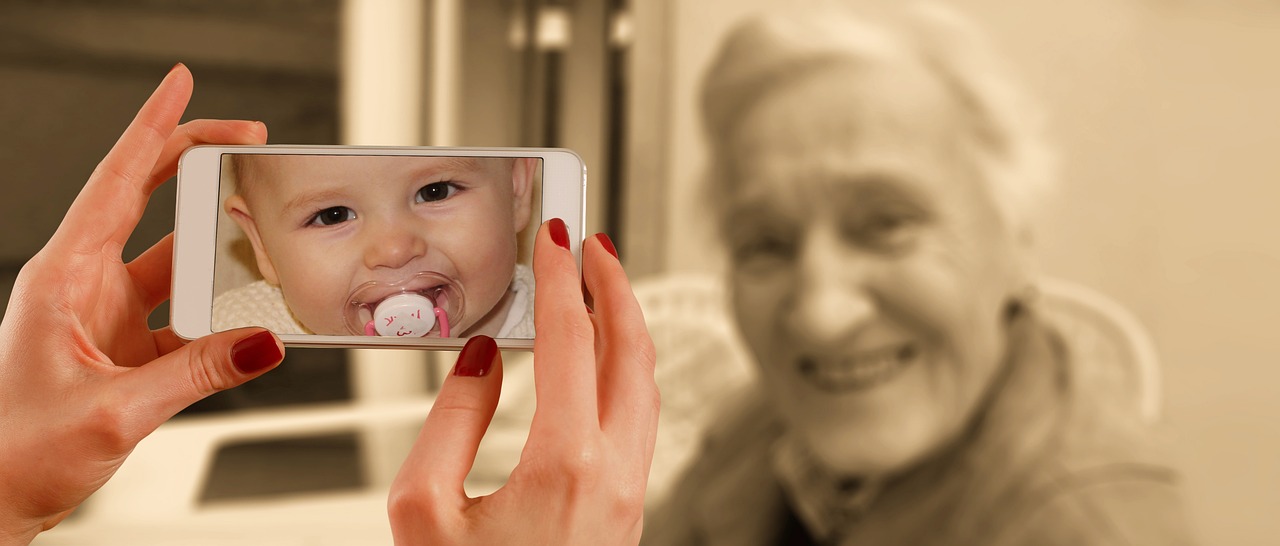
Science is constantly finding ways to add years to our lives. But only we can take actions that add life to our years.
Worldwide, the percentage of the population made up of senior citizens is growing. And after watching older family and friends age, many are committed to remaining healthy and active longer by investing more resources in prevention-focused health practices rather than late-stage medical interventions. Some methods are simple practices; others engage metabolism on the cellular level, the longevity experts at JustNMN explain.
The graying of the global population has hastened over the past decade, with the percentage of the US population alone aged 65+ increasing 38.6% from 2010 to 2020, according to census statistics. Many industrialized Western countries experienced a population explosion shortly after World War II, with those born between 1946 and 1964 considered "Baby Boomers." The youngest Boomers will turn 62 this year, landing them near the doorstep of the traditional marker for senior citizen status.
In most countries, the population pace hasn't kept up with the boom. Most face population proportions similar to those in the United States due to declining fertility rates and increased life expectancy, with trends continuing through 2050. That year, the youngest Boomers would turn 86 - if they make it past the average life expectancy of 79.
But the fact that more people are living into old age doesn't mean they are enjoying their extra years. The healthspan gap - the amount of time between individuals' age of death and the end of their years of good health - represents a significant challenge in aging populations. World Health Organization data from 2024 shows that the global lifespan averages 71.4 years, while healthspan averages 61.9 years.
Having watched - and even cared for - parents as they aged has convinced many individuals that they want to spend their golden years differently. They don't want to be confined to beds, chairs, or long-term care facilities. Motivated by independence and freedom from chronic illness, they find it worthwhile to make up-front investments in their health rather than paying for more invasive care down the road that does little to improve their quality of life.
Some soon-to-be seniors are turning to the biohacking community to learn tricks for boosting their healthspan. Some do sound like age-old wisdom from Grandma - if she had actually followed her own advice. Others are advanced, evidence-based scientific findings. Longevity experts recommend:
Aging is a privilege that isn't granted to everyone. But there are ways to do it that make your senior years another uncomfortable trip around the sun. Life is a journey - you can either chart your own path or sit down and see only what comes your way.


