Struggling with thin hair? Proper nutrition and scalp care are your foundation for thickness. Try proven performers like biotin, peptides, growth factors, caffeine and pumpkin seed extract, and avoid silicone products that actually damage hair over time.
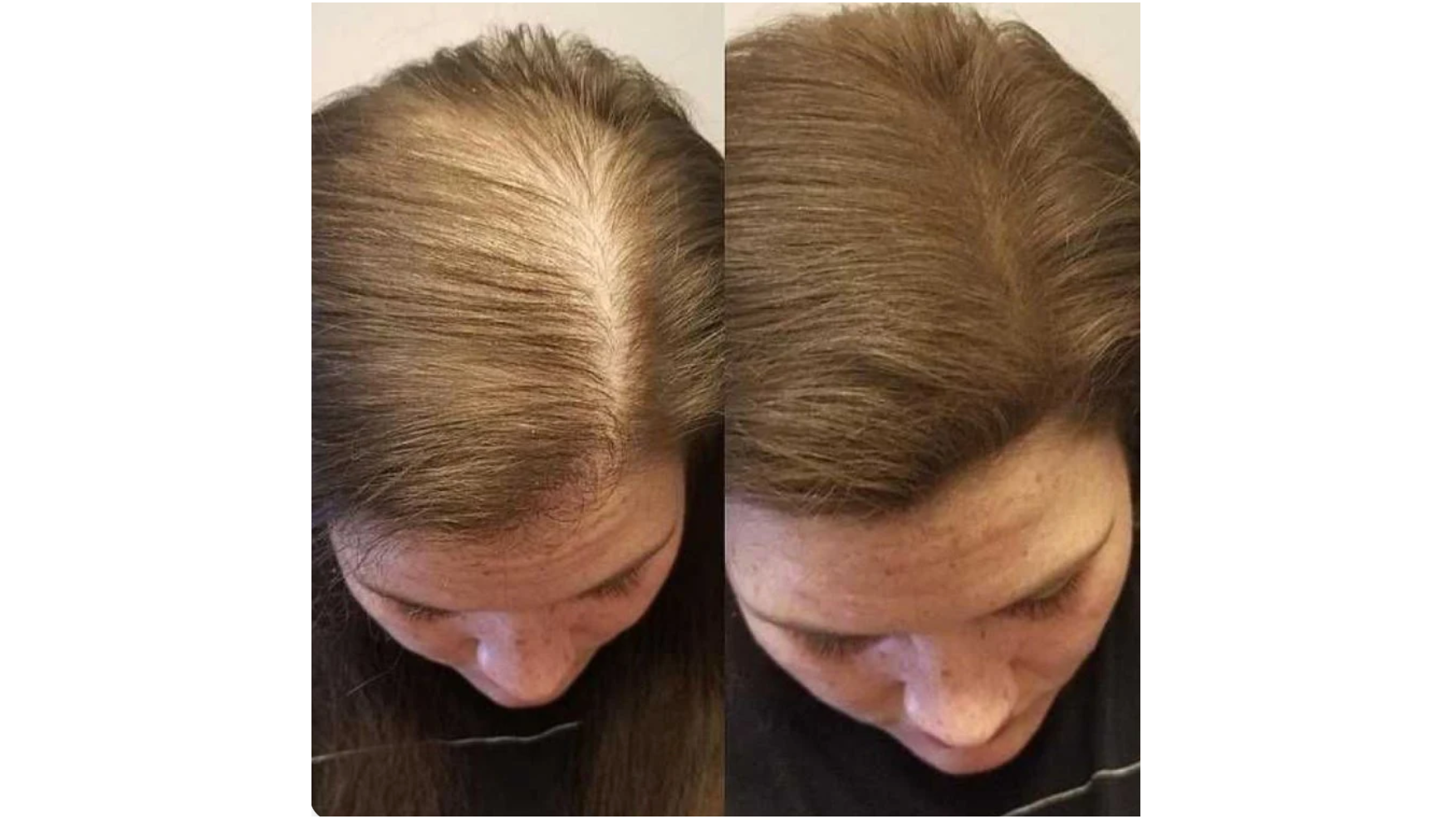
Your diet might be the missing piece in your quest for thicker hair. While styling products can create temporary volume, true hair thickness starts at the follicle level – and that requires proper nutrition.
Hair health experts at Trybello know that nutrition is the foundation for stronger, fuller hair growth. Without the right building blocks, even the most expensive hair products can only do so much.
Iron deficiency stands as one of the leading nutritional causes of hair thinning. When iron levels drop, your follicles can't produce hair proteins efficiently, resulting in slower growth and weaker strands. Women experiencing heavy menstrual cycles are particularly vulnerable to this deficiency.
Protein intake directly impacts hair structure since hair is approximately 95% keratin (a protein). Your body prioritizes protein for essential functions, so hair growth suffers when intake is insufficient. For optimal hair thickness, include these protein sources daily:
Vitamin D deficiency has been strongly linked to hair thinning and loss patterns. This crucial nutrient activates hair follicles and creates new growth sites. Beyond sunshine exposure, incorporate these vitamin D sources:
Zinc deficiency can cause hair follicle deterioration and slow regeneration. This mineral regulates hormone levels that affect hair growth and helps maintain oil gland function around follicles. Excellent zinc sources include oysters, pumpkin seeds, beef, and lentils.
B vitamins support the formation of red blood cells that carry oxygen and nutrients to the scalp. Focus on biotin (B7) and getting a complete spectrum of B vitamins from whole foods like leafy greens, whole grains, and nuts.
Before rushing to buy thickening products, understanding exactly why your hair is thinning will lead to more effective solutions. Hair thinning is rarely just about genetics or aging – several key factors could be contributing to your specific situation.
Hormonal changes rank among the most significant triggers of hair thinning, especially for women. During menopause, estrogen levels decline while the relative proportion of androgens (like DHT) increases. This hormonal shift has two major effects on hair:
Pregnancy and postpartum periods create another hormonal rollercoaster. The elevated estrogen during pregnancy extends the growth phase, giving many women temporarily thicker hair. After delivery, estrogen levels plummet, triggering a condition called telogen effluvium – where up to 30% of hairs can shed simultaneously.
Beyond the core nutrients mentioned earlier, several other deficiencies can compromise hair thickness. Vitamin E protects follicles from oxidative damage, while omega-3 fatty acids reduce scalp inflammation and improve circulation to hair follicles.
Inadequate hydration directly impacts hair fullness. When dehydrated, your body diverts moisture from non-essential areas (like hair) to vital organs. This leads to dry, brittle strands that break easily, creating the appearance of thinning even when follicles remain healthy.
Chronic stress elevates cortisol levels, which can disrupt the hair growth cycle in multiple ways:
Poor sleep quality compounds these issues by interfering with growth hormone production, which is essential for cellular repair, including hair follicle regeneration. Most tissue repair, including in the scalp, happens during deep sleep phases.
Even with perfect nutrition and hormone balance, your hair care routine could be sabotaging thickness. Heat styling without protection, tight hairstyles that create tension, and harsh chemical treatments all contribute to breakage and thinning.
Even your washing technique matters – aggressive scrubbing and rough towel-drying can damage the cuticle, while brushing wet hair without proper detangling products can snap strands at the shaft.
Your scalp is the foundation from which your hair grows. Just as plants need healthy soil to thrive, your hair needs a balanced scalp environment to reach its full thickness potential.
Regular scalp exfoliation removes the buildup that can suffocate follicles and impede growth. This process creates the optimal environment for new hair growth by:
Look for chemical exfoliants containing salicylic acid, glycolic acid, or fruit enzymes that dissolve debris without potential irritation. If you prefer physical exfoliation, choose products with fine, rounded particles specifically formulated for the delicate scalp skin.
The way you wash your hair significantly impacts scalp health. Finding your optimal washing frequency is crucial – washing too often strips natural oils, while infrequent washing allows buildup to accumulate.
For most people, washing every 2-3 days with a gentle, sulfate-free shampoo provides the right balance. Focus application on your scalp rather than the lengths of your hair, using fingertips (not nails) to massage in circular motions. This technique effectively cleanses while stimulating blood flow to follicles.
Regular scalp massage is one of the simplest yet most effective ways to promote thicker hair. Research published in the journal Eplasty found that just 4 minutes of daily scalp massage increased hair thickness by stretching dermal papilla cells, which stimulated the production of thicker hair strands.
To incorporate massage into your routine:
Specialized scalp massage tools, like silicone shampoo brushes or wooden massagers, can make this practice even more effective by providing consistent pressure and reaching all areas of the scalp easily.
With so many products promising thicker hair overnight, it's crucial to identify which ingredients actually deliver results versus those that just sound impressive on a label.
Peptides are short chains of amino acids that function as cellular messengers in the body. In hair care, specific peptides can:
Growth factors work similarly but are more potent. These naturally occurring proteins regulate cell division and can reactivate dormant follicles. Clinical studies have shown that topical application of certain growth factors can increase both hair density and individual strand diameter.
Caffeine does more than fuel your morning – it can energize your follicles too. When applied topically, caffeine penetrates the scalp quickly and offers multiple benefits:
Research published in the International Journal of Trichology confirms that caffeine can counteract testosterone's suppressive effects on hair growth, making it beneficial for both men and women experiencing thinning.
This natural ingredient has shown impressive results in clinical studies. Pumpkin seed extract works by inhibiting 5-alpha reductase, an enzyme that converts testosterone to DHT (the hormone most responsible for follicle miniaturization).
A randomized, placebo-controlled trial published in Evidence-Based Complementary and Alternative Medicine found that men taking pumpkin seed oil for 24 weeks saw a 40% increase in hair count compared to just 10% in the placebo group – results comparable to some pharmaceutical treatments but without the side effects.
While biotin (vitamin B7) rightly gets a lot of the attention, B vitamins in general are impressive for hair thickness, including:
Castor oil contains ricinoleic acid, a unique fatty acid with anti-inflammatory properties that can improve scalp health. While scientific evidence specifically for hair growth is limited, it may help by:
Now that you understand the key ingredients, here are the product categories that deliver the best results for thicker hair.
Targeted scalp treatments deliver active ingredients directly to hair follicles where they can have the most impact.
For daily use, look for leave-in serums or sprays containing peptides, caffeine, or biotin. These ingredients support follicle health without the potential side effects of pharmaceutical options.
Silicones create the illusion of thickness by coating strands, but eventually lead to buildup that can dehydrate hair and make it more prone to breakage. Instead, choose shampoos with:
The best leave-in treatments for thinning hair provide ongoing benefits throughout the day without weighing hair down. Look for products containing keratin, wheat protein, or rice protein, which temporarily bind to the hair shaft and increase its diameter.
Volumizing mousses and foams applied to the roots before blow-drying can dramatically lift hair for a fuller appearance. Dry texturizing sprays add volume and separation to finished styles without the stiffness of traditional hairsprays. The key is using a light hand – applying too much product will weigh hair down and create the opposite effect.
The right styling approach can make thin hair look dramatically thicker immediately:
For maximum lift, blow-dry your roots in the opposite direction of their natural fall using a round brush. Start with your head flipped upside down to create root lift, then finish styling right-side up. Using a concentrator nozzle creates smoother results with less frizz.
Strategic haircuts dramatically impact perceived thickness. Blunt ends create the appearance of density, while light layers can add volume at the crown without making ends look wispy. Regular trims every 6-8 weeks prevent split ends from traveling up the hair shaft, which can make hair appear thinner.
With fine or thinning hair, product overload is the enemy. Start with minimal product and build up only if needed. Apply volumizing products at the roots only, and keep conditioning products away from the scalp area.
Multi-dimensional color creates the illusion of depth and fullness. Subtle highlights and lowlights create shadow and light effects that make hair appear thicker than a single flat color. For those with significant thinning, choosing a shade closer to your scalp color minimizes the contrast between hair and scalp.
Transform your hair with this actionable three-month plan:
Month 1: Foundation
Month 2: Refinement
Month 3: Enhancement
Remember that hair grows approximately half an inch per month, so visible results from nutritional and topical treatments take time. Consistency is key – stick with your routine even if dramatic results aren't immediate.
Creating thicker, fuller hair is achievable with the right combination of nutrition, scalp care, effective ingredients, and styling techniques. By understanding the science behind hair growth and implementing these evidence-based strategies, you can improve both the health and appearance of your hair for long-lasting results.
Trybello offers expertly formulated products that incorporate these proven ingredients for those seeking professional-grade solutions for thicker, healthier hair.


