Free radicals damage your cells every single day—but most people don’t realize how much control they actually have over the process. The real game-changer isn’t just eating antioxidants; it’s understanding which lifestyle factors create the damage in the first place.
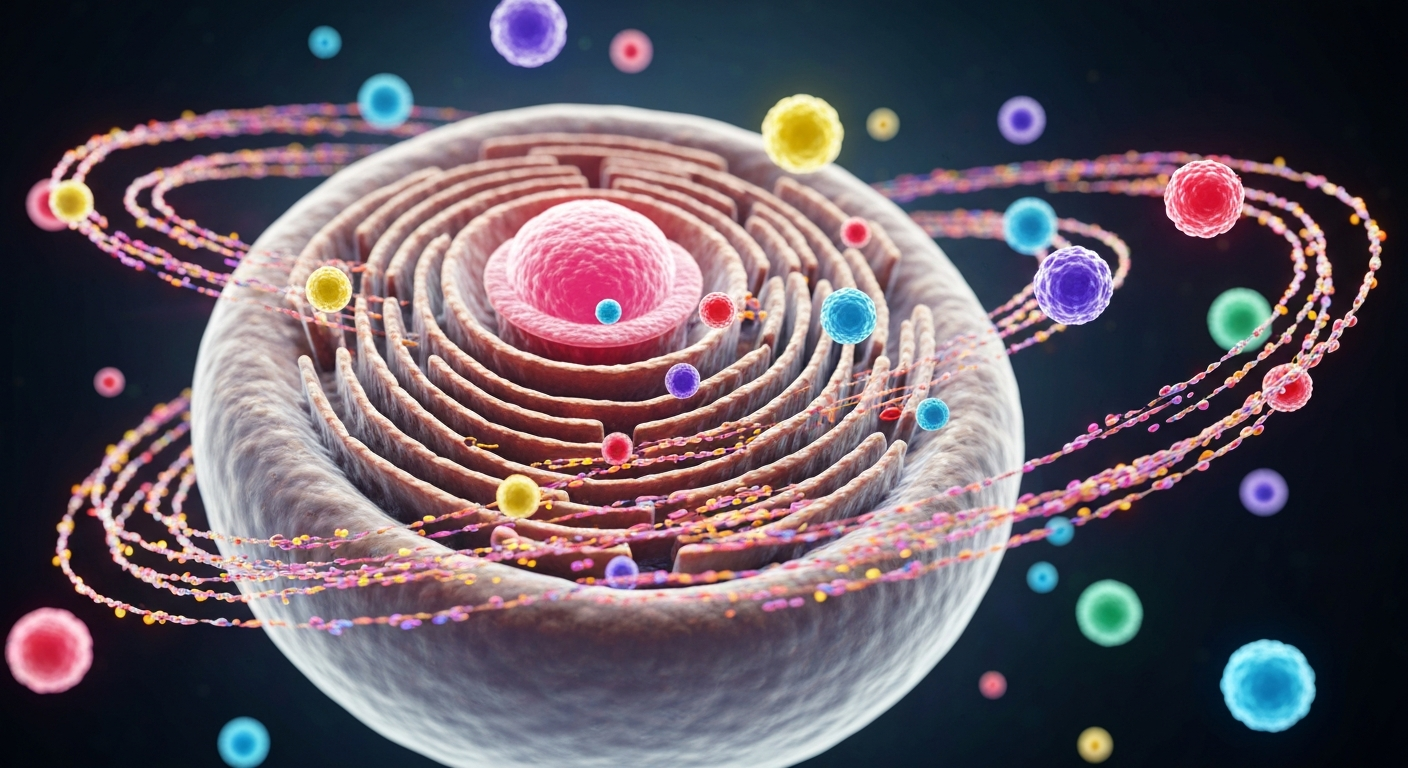
Most people don't give much thought to what's happening inside their cells on a daily basis. But at the molecular level, a quiet form of damage is always in progress — and the pace of that damage depends almost entirely on lifestyle choices. Understanding what free radicals actually do to the body, where they come from, and how to counter them naturally is one of the most practical things anyone can do for long-term health.
Free radicals are atoms or molecules with an unpaired electron in their outer shell. That missing electron makes them chemically unstable — and aggressively reactive. To stabilize themselves, free radicals steal electrons from the nearest available source, which is usually a healthy cell. The problem is that when a healthy cell loses an electron, it becomes a free radical itself, and the cycle repeats.
This chain reaction moves fast. DNA strands get clipped. Proteins lose their shape and stop functioning correctly. Cell membranes, which normally control what enters and exits a cell, become leaky and dysfunctional. Over time, this cumulative cellular damage is what researchers associate with accelerated aging and the slow development of chronic disease.
What makes free radicals particularly tricky is that they can't be fully eliminated — the body produces them as a normal byproduct of energy metabolism. The goal isn't zero free radicals. It's keeping them in balance with the body's antioxidant defenses, a state where the damage stays manageable. When that balance tips too far in the wrong direction, it creates a condition known as oxidative stress.
Free radical production isn't only triggered by unhealthy habits. The body generates free radicals constantly, simply by being alive. The mitochondria — the energy-producing structures inside nearly every cell — release free radicals as a natural byproduct of converting oxygen and nutrients into usable energy (ATP). This is unavoidable and normal.
Physical exertion adds to this load. During exercise, oxygen consumption increases significantly, which raises the rate of free radical production through metabolic activity. Intense or prolonged exertion without adequate recovery time can push this internal production above what the body's antioxidant systems can handle in the short term. The immune system also generates free radicals deliberately as part of its defense response to pathogens — a healthy, necessary function, but one that adds to the total oxidative load the body must manage.
Environmental exposures are where free radical burden becomes far more controllable — and where most people have significant room to reduce their load. Cigarette smoke is one of the most concentrated sources of exogenous free radicals, delivering thousands of oxidative compounds with each inhalation. Air pollution, particularly fine particulate matter from vehicle exhaust and industrial emissions, generates free radicals in lung tissue upon contact.
Pesticide residues on conventionally grown produce introduce oxidative compounds through the digestive system. Synthetic chemicals in household cleaning products and personal care items, plasticizers like BPA from food packaging, and heavy metals in drinking water all contribute to the body's cumulative oxidative burden. Unlike metabolic free radical production, these sources can be meaningfully reduced through deliberate lifestyle choices — making toxin reduction one of the most impactful levers available for managing oxidative stress.
There's no single fix for oxidative stress. The most effective approach combines multiple strategies that work through different mechanisms — some that neutralize free radicals already in the body, some that reduce how many are produced in the first place, and some that support the body's own defense and recovery systems. Here are four natural methods, each with a distinct and complementary role. For a deeper breakdown of how these strategies work together, Healifeco's guide on naturally removing free radicals from the body covers each method in practical detail.
Warm foot soaks, including ionic foot baths, are a popular at-home recovery ritual — and for good reason, even setting aside the more debated claims about detoxification. Soaking the feet in warm water has well-documented benefits for circulation and relaxation. The warmth dilates blood vessels in the feet and lower legs, supporting peripheral circulation and helping the body transition into a parasympathetic (rest-and-recovery) state.
Transparency about the science here is worthwhile. Peer-reviewed research, including a widely cited 2012 study, has found no direct evidence that ionic foot baths promote the elimination of toxic elements from the body. The color change that occurs in the water during a session is primarily a result of electrolysis interacting with minerals, salts, and the metal array — not a measurable sign of toxins leaving the body. Where warm foot soaks do have a clear, evidence-supported role is as a relaxation and recovery tool: reduced muscle tension, improved sleep quality, and a reliable way to wind down after physically demanding days. As part of a broader wellness routine — alongside diet, exercise, and toxin reduction — regular warm foot soaks provide genuine supportive value in managing the stress load the body carries.
Dietary antioxidants are the body's most direct nutritional line of defense against free radicals. Antioxidants work by donating one of their own electrons to a free radical, stabilizing it without becoming unstable themselves — effectively breaking the chain reaction before it can spread. The body produces some antioxidants internally, like glutathione and superoxide dismutase, but dietary intake is necessary for maintaining adequate antioxidant reserves.
Variety is the key principle. Different antioxidant compounds target different types of free radicals and protect different cellular structures. Vitamin C is water-soluble and neutralizes free radicals in the bloodstream and cell fluid. Vitamin E is fat-soluble and specifically protects cell membranes from lipid peroxidation. Polyphenols and flavonoids from plant foods have broad-spectrum antioxidant activity and also support anti-inflammatory pathways. Aiming for at least three to five different antioxidant-rich foods daily — fresh or minimally processed — builds a more complete and resilient defense than any single food or supplement alone.
While antioxidants neutralize free radicals after they've already formed, reducing exposure to environmental toxins cuts them off before they enter the body at all. This upstream approach is often underestimated, but it directly lowers the total oxidative burden the body's defense systems need to manage.
The most impactful practical steps include choosing organic produce for foods that tend to carry the highest pesticide residues, filtering drinking water with a high-quality carbon or reverse osmosis filter, replacing synthetic household cleaners with plant-based alternatives, and swapping plastic food containers for glass or stainless steel. Improving home ventilation reduces indoor air pollution — which is frequently more concentrated than outdoor air — and avoiding prolonged exposure to vehicle exhaust and industrial areas limits fine particulate inhalation. None of these require drastic changes; implemented gradually, they create a meaningfully cleaner internal environment over time.
Exercise has a counterintuitive relationship with free radicals. In the short term, physical activity increases free radical production — higher oxygen consumption during exertion means more metabolic byproducts. With consistent moderate exercise, however, the body responds by upregulating its own antioxidant enzyme systems, building greater long-term defense capacity. This adaptive response is one reason regular exercisers tend to have lower systemic inflammation and stronger cellular repair mechanisms than sedentary individuals.
The intensity balance matters significantly here. Chronic overtraining or repeated bouts of very high-intensity exercise without adequate recovery can actually overwhelm the body's antioxidant systems, contributing to elevated oxidative stress rather than reducing it. Research also suggests that high-dose antioxidant supplementation can interfere with the body's adaptive response to exercise training — potentially blunting some of the long-term benefits. The practical recommendation: aim for 150 minutes of moderate aerobic activity per week — brisk walking, cycling, swimming — combined with two strength training sessions, and prioritize consistency over intensity.
Not all antioxidants work the same way, and understanding the key players makes it much easier to build a diet that covers all the important cellular bases.
Building an antioxidant-rich diet doesn't require exotic ingredients or expensive supplements. The most powerful foods tend to be those with deep, vivid color — a reliable visual indicator of high phytonutrient density.
Top daily priorities include:
Rotating different antioxidant-rich foods across the week provides broader coverage across different free radical types and cellular environments than eating the same few foods repeatedly.
None of these four strategies works in isolation as well as they do together. Antioxidant-rich foods neutralize free radicals already circulating in the body. Reducing environmental toxin exposure lowers how many free radicals are generated in the first place. Regular moderate exercise builds the body's internal antioxidant enzyme capacity over time. Recovery-focused habits — including quality sleep, hydration, and warm foot soaks — support the body's ability to repair and restore itself between the demands of daily life.
The overlap between these strategies is where the real benefit lies. A nutrient-dense diet provides better cellular fuel for exercise recovery. Reduced toxic exposure means the liver, kidneys, and immune system can operate with less strain. Consistent exercise strengthens circulation and metabolic efficiency, which improves how effectively dietary antioxidants are delivered to tissues. Regular relaxation rituals help keep the stress response — which is itself a significant driver of free radical production — under control.
Oxidative stress is a lifelong process, not a one-time problem to solve. Building a sustainable routine that addresses it from multiple directions is what creates durable, compounding protection at the cellular level. The goal isn't perfection on any single front — it's consistency across all of them.


