Most coaches waste their Facebook ad budget by pitching cold audiences too soon—before trust is built. Webinar ads consistently outperform other formats for one specific reason, but understanding *when* to use testimonials and direct offers instead changes everything about campaign profitability.
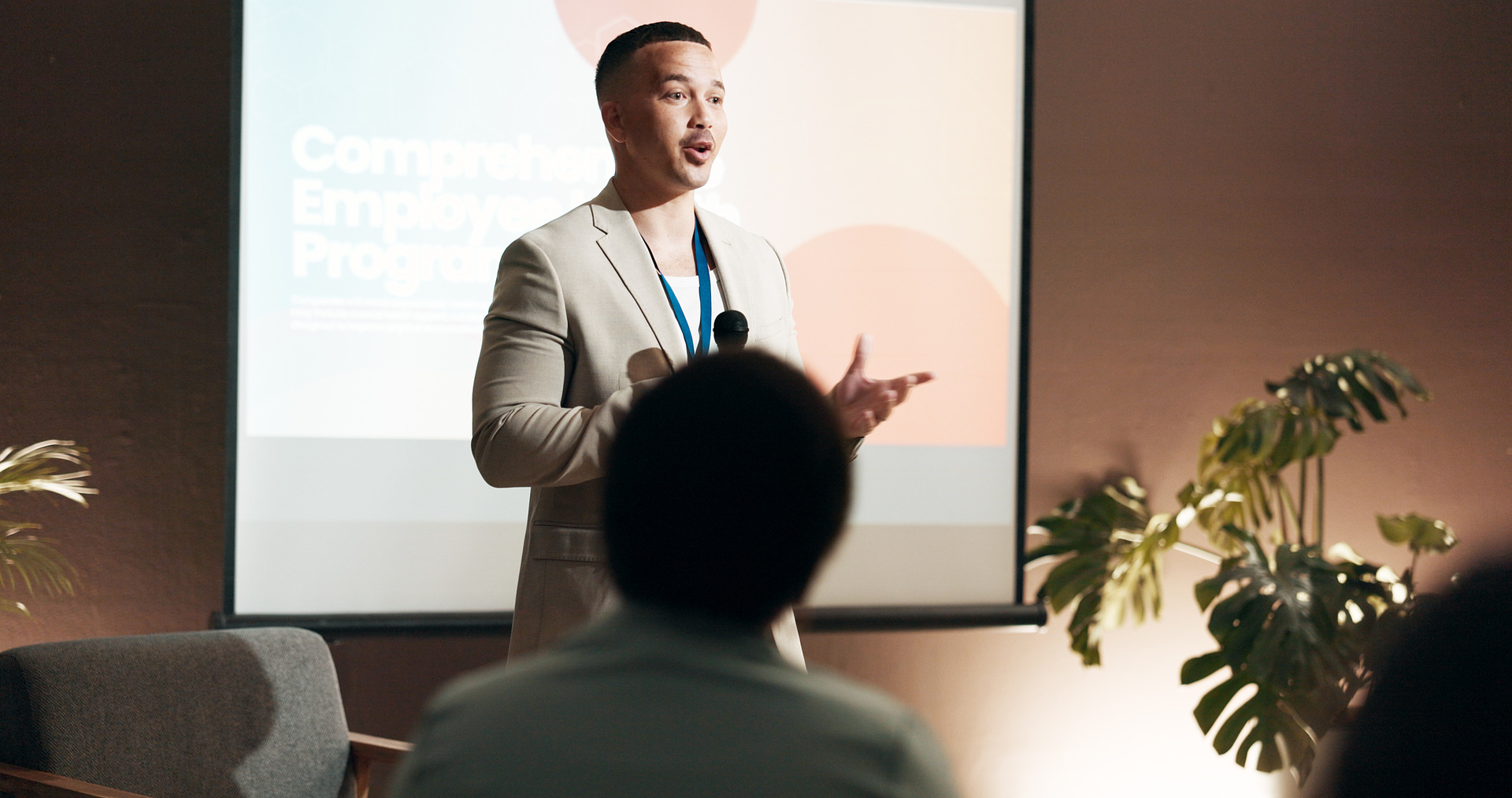
Running Facebook ads for a coaching business isn't complicated in theory: put the right offer in front of the right person at the right time. In practice, though, most coaches burn budget running the wrong offer to the wrong audience — usually a direct pitch to someone who has never heard of them. The format that consistently sidesteps this problem? The free webinar ad. But understanding why it works so well with cold traffic, and when other formats make more sense, is what separates a profitable campaign from an expensive lesson.
A cold audience is made up of people who have never interacted with a brand, a coach, or their content. Asking a cold audience to book a discovery call or purchase a coaching program is the digital equivalent of proposing on a first date — the timing is simply off.
Trust is a prerequisite for any transaction, and trust takes time and repeated positive exposure to build. Cold traffic doesn't lack buying potential — it lacks context. Without any prior experience of the coach's value, credibility, or approach, there's no foundation for a purchasing decision.
This is where ad strategy becomes a real competitive advantage. Coaches who structure their campaigns around audience temperature — offering different things to cold versus warm segments — consistently outperform those who run a single ad to everyone.
When someone who has never heard of a coach registers for a free webinar, they're already signaling a level of intent that a passive scroll-past never could. The format itself does the heavy lifting that other ad types simply can't replicate at the top of a funnel.
For coaches looking to go deeper on how webinar ads compare to other formats across the full funnel, GetHookd's breakdown of coaching Facebook ad examples and strategy is a practical starting point grounded in real ad performance data.
The single biggest obstacle between a cold audience and a coaching offer is perceived risk. Asking someone to pay money — or even just commit serious time — before they've experienced any value creates friction that most cold prospects won't push through.
A free webinar collapses that friction. There's no financial commitment, no long-form sales page to read through, and no pressure to decide on a program immediately. The only ask is an email address and an hour of time. That's a low-stakes trade that a much larger segment of cold audiences will accept compared to a direct offer.
When a coach delivers genuinely useful content inside that webinar — not a thinly veiled sales pitch, but real, actionable guidance — the audience's perception of their expertise shifts fast. Educational webinars build authority and nurture relationships in ways that static ads and short-form copy simply cannot.
A coach can write "10 years of experience" in an ad headline, but that credential means very little to a cold audience with no frame of reference. A 45-minute webinar where that same coach solves a real problem, answers live questions, and guides attendees toward a concrete outcome does something no headline can: it proves the value rather than asserting it.
This distinction is critical in the coaching space, where skepticism runs high and the market is saturated. Prospects have seen enough "I went from broke to seven figures" ads to become naturally resistant to bold claims. What cuts through that resistance is substance. When a webinar delivers a genuinely useful transformation — even a small one — attendees leave with a direct, personal experience of the coach's ability. That experience is the foundation on which a paid offer can be built.
One of the most underrated advantages of webinars over static ads or lead magnets is the real-time feedback loop they create. Live polls, Q&A segments, and chat interactions don't just keep attendees engaged — they reveal exactly where the audience is in their buying journey. A question about pricing signals something very different from a question about methodology, and both are valuable data points for follow-up strategy.
This real-time intent signal is something that ebooks, checklists, and even short-form video ads can't replicate. The format itself qualifies the lead in a way that passive content simply can't.
The first line of a webinar ad does almost all the work. Cold audiences make a scroll-or-stop decision in seconds, which means the opening statement has to immediately answer the question every prospect is silently asking: "What's in this for me?"
Vague hooks lose that battle every time. "Join my free coaching webinar" tells a cold prospect nothing useful. "Learn how to land three new coaching clients this week without cold outreach" gives them a specific outcome, hints at a method, and removes a common objection — all in a single sentence.
A brief, relevant credential — a specific number of clients coached, a documented result, a recognizable affiliation — adds believability without shifting the focus away from the audience's problem.
Short-form video often outperforms static images for cold webinar ads across many coaching niches. A 30-to-60-second clip where the coach speaks directly to the audience's pain point — ideally in the first three seconds — combines the trust-building element of seeing a real person with the specificity of a well-crafted hook. The coach becomes familiar before the prospect even reaches the registration page.
That said, static image ads shouldn't be written off entirely. A clean, well-designed graphic with a bold benefit-driven headline and a clear registration prompt can perform competitively, particularly in audiences that have grown fatigued by video-heavy feeds. The smarter approach is to test both formats early and let performance data guide the budget allocation — rather than assuming one format wins universally.
What stays consistent across both formats is the call to action: direct, specific, and friction-free. "Save Your Seat" or "Register Free" outperforms generic "Learn More" buttons because they reinforce the free, low-commitment nature of the offer. Every element of the ad should be reinforcing the same message — this costs nothing, it solves a real problem, and the next step is simple.
Lead magnet ads trade a downloadable resource — a checklist, guide, swipe file, or mini-course — in exchange for an email address. They're a natural fit for coaches who want to grow an owned audience and nurture prospects over time before presenting a paid offer.
The key to a lead magnet ad that actually converts is hyper-specificity. A business coach offering "The 5-Step Client Acquisition Checklist for Freelance Consultants" will consistently outperform one offering a generic "Free Business Guide." The more precisely the resource matches the audience's specific situation, the higher the perceived value — and the more qualified the leads who opt in.
Keep the ad copy tight: three to four lines focused on the concrete benefit the viewer gets from downloading the resource. The goal of the ad is to get the click, not summarize the entire contents of the guide. A strong lead magnet ad addresses a specific emotional pain point upfront, offers a free resource as the solution, and uses a simple "Download Now" call to action that removes all friction for cold audiences.
Social proof ads use documented client results to validate the coaching offer. A strong testimonial ad keeps a tight focus: one client, one specific result, delivered in under 30 seconds. Video testimonials outperform text-based formats in most coaching niches — particularly when the client describes both the problem they had before working with the coach and the concrete outcome they reached afterward.
Vague praise rarely moves a skeptical audience. Specific, measurable results do. Effective testimonial ad copy leads with named client outcomes and documented results before the offer is even introduced, building credibility before asking for anything.
A two-step retargeting sequence is the most effective deployment: serve a webinar or lead magnet ad first to build a warm audience, then follow with a testimonial ad within seven to fourteen days. Conversion rates on testimonial ads improve significantly when the audience already has some context about the coach — the social proof lands differently when it's reinforcing a positive first impression.
Direct offer ads skip the free entry point entirely and promote the coaching program or service outright. These work — but almost exclusively with warm audiences who already have prior exposure to the coach's brand, content, or previous ads.
The headline has to lead with the transformation, not the program title. "Get Your First 10 Clients in 60 Days" outperforms "Join My Business Coaching Program" in nearly every test because it centers the outcome rather than the vehicle. Supporting copy should briefly address the most common objections — price, time commitment, doubt about results — before directing to a booking page or discovery call.
Running direct offer ads to cold audiences is one of the most reliably expensive mistakes in coaching campaigns. Without prior familiarity, the ask is simply too large for where the prospect is in their relationship with the coach. Save the direct offer for audiences who have already been warmed up through a webinar, a lead magnet, or organic content — and the conversion rate on the same ad will be dramatically different.
The evidence across the coaching space is consistent: webinar ads are among the most effective formats for converting cold audiences into qualified leads. They lower the barrier to entry, deliver real value before any ask is made, and create the kind of trust and engagement that moves prospects through a funnel at a pace few other cold traffic formats reliably match. The format, when executed well, isn't just a lead generation tool. It's a conversion engine.
But the broader lesson isn't just "run webinar ads." It's that every format in a coaching ad strategy has a job, and that job only gets done when the offer matches the audience's current level of trust and familiarity. Cold traffic gets free value. Warm traffic gets social proof. Primed audiences get the offer. That sequencing — more than any single creative — is what makes coaching Facebook campaigns genuinely scalable.


