Tried a DIY spray from the hardware store and the pests came back? You’re not alone—83% of DIY pest control attempts backfire. Here’s what’s actually going wrong, and why bed bugs are nearly impossible to eliminate on your own.
Discovering a pest problem at home or at a business is stressful enough. The instinct is usually the same: head to the hardware store, grab a spray, and handle it over the weekend. It's understandable. But across the country, pest control professionals see the same outcome play out again and again—DIY attempts that delay real solutions, spread infestations further, and cost more to fix in the end. Here's a clear-eyed look at why that keeps happening, and what actually works.
That number isn't a scare tactic. A survey commissioned by Zevo and conducted by OnePoll in August 2022 found that 83% of Americans who tried DIY pest control methods had them backfire to some extent. Some cases were minor—pests returning within days. Others were extreme, including people pouring gasoline on insects, creating dangerous situations while doing nothing to solve the underlying infestation.
The gap between DIY and professional outcomes isn't just about product strength. It's about approach, knowledge, and consistency—all areas where the average store-bought solution falls short from the start.
Pest control isn't one-size-fits-all. Different species respond to entirely different treatment methods, bait formulations, and application strategies. A product designed for German cockroaches, for example, won't have the same effect on Oriental cockroaches—even though they look similar to most people.
One of the most consistent findings from pest control experts is that incorrect pest identification is the leading cause of DIY failure. Homeowners often treat for what they think they're seeing rather than what's actually there. That means buying the wrong product, applying it to the wrong areas, and spending time and money on something that has zero effect on the actual infestation.
Professional exterminators—like the team at Connor's Pest Pros—begin every job with a proper species-level identification before any treatment is recommended. That single step alone separates professional results from the frustrating cycle of repeat DIY attempts.
Killing the pests you can see feels like progress. In reality, it often isn't. Visible pests—the ant marching across the kitchen counter, the roach near the trash can, the mouse darting behind the stove—are rarely the full picture. They're the surface layer of a much larger colony or infestation living in walls, under flooring, inside insulation, or deep in crawl spaces.
DIY efforts frequently only address visible pests, failing to target hidden nests and breeding grounds. Without eliminating the source, the infestation replenishes itself. A queen ant can produce thousands of eggs. A single rodent nest left untreated will quickly replace any individuals removed. Spraying what's visible provides temporary relief at best, and a false sense of resolution at worst—leading homeowners to believe the problem is solved until it resurfaces, often worse than before.
Even when the right product is selected and applied to the right areas, inconsistency kills results. Pest control isn't a one-and-done task. Most professional treatment protocols are designed around the life cycles of specific pests—timing follow-up treatments to catch eggs that hatch after an initial application, for instance.
DIY users rarely account for this. A product is applied once, the visible pest activity drops, and the effort stops. Within days or weeks, a new generation hatches and the cycle restarts. Experts consistently flag this pattern: inconsistent application of pest control measures allows pests to repopulate and thrive. Effective eradication requires a structured, timed approach that most store-bought kits don't even recommend, let alone support.
Pesticide resistance is a real and growing problem—and DIY overuse is a significant driver. When pests are repeatedly exposed to the same chemical without full eradication, the survivors pass on resistance to their offspring. Over generations, entire local populations can develop tolerance to products that once worked reliably.
This isn't theoretical. Pest control researchers have documented resistance in bed bugs, cockroaches, and other common household pests against multiple classes of over-the-counter insecticides. When homeowners repeatedly apply consumer-grade products without fully eliminating the population, they can inadvertently accelerate this process in their own home—leaving themselves with a harder-to-treat infestation than the one they started with.
Professional applicators rotate chemical classes strategically, using formulations and concentrations that aren't available at retail level. This approach is specifically designed to prevent resistance from developing, which is one of the key structural advantages of licensed pest control over DIY methods.
One of the more counterintuitive consequences of DIY pest control is that applying pesticide incorrectly can scatter an infestation rather than eliminate it. Pests like cockroaches and ants respond to chemical disturbances by fleeing deeper into walls, into neighboring rooms, or into previously unaffected areas of a structure.
This is especially damaging in multi-unit buildings—apartment complexes, row houses, and commercial spaces—where pests relocating from one unit can quickly establish in another. What started as a contained problem becomes a building-wide issue, and the DIY user often has no idea they caused it.
Experts note that many commercial pest control products require specific handling and application methods that the average homeowner isn't trained to follow. Misuse doesn't just mean ineffectiveness—it can mean health risks for people and pets and unintended dispersal of the very pests being targeted.
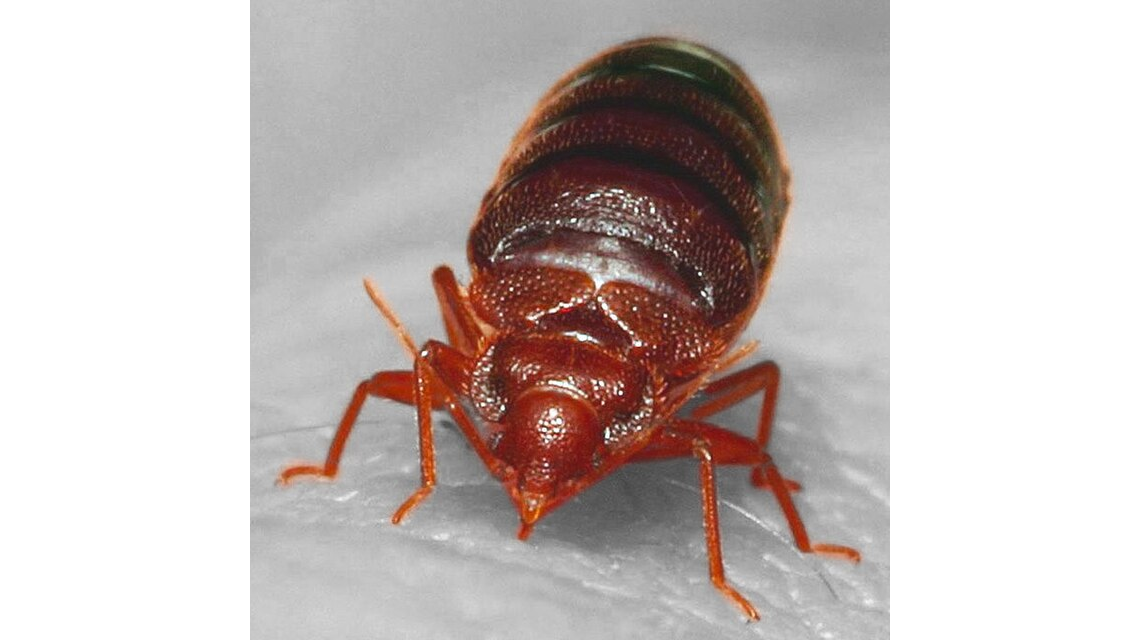
Of all common household pests, bed bugs have one of the worst track records for DIY success. Their biology and behavior make them uniquely difficult to address without professional intervention.
Bed bugs are experts at staying out of sight. They hide in mattress seams, box spring folds, bed frame joints, baseboards, behind outlet covers, and inside tiny cracks in walls and furniture. By the time bites, dark spotting on bedding, or shed skins are noticed, the infestation has typically already spread well beyond the obvious areas. According to pest control experts, including insights from Fox Pest Control, do-it-yourself methods rarely solve the problem on their own once bed bugs are established, highlighting the necessity of professional intervention.
Compounding this is the fact that many bed bug populations have developed resistance to pyrethroids—the active ingredient in most over-the-counter bed bug sprays. Applying these products may kill some surface-level bugs but leaves resistant individuals and all hidden eggs completely unaffected. The infestation then rebuilds from those survivors, often with a higher proportion of resistant individuals than before.
Professional bed bug treatment is a structured, multi-step process that looks nothing like reaching for a spray can. Here's how trained technicians actually approach it:
That layered process is simply not replicable with store-bought kits—and it's why professional treatment is so consistently more effective for bed bugs specifically.
Every professional treatment begins with a proper inspection. This isn't a quick look around—it's a systematic assessment of the property to identify the exact pest species present, locate entry points and harborage areas, and determine the infestation's scope and severity.
Accurate identification directly determines which treatment approach is used. The wrong identification means the wrong treatment—which is exactly where so many DIY attempts go wrong. Professionals bring species-level knowledge and, in many cases, detection tools and techniques not available to the general public. That foundation changes the entire trajectory of treatment.
Licensed exterminators have access to commercial-grade formulations that are not sold at retail. These products are more concentrated, more precisely targeted, and in many cases more effective at lower volumes than their consumer counterparts. Application methods also differ significantly—professional equipment can deliver treatments into wall voids, under slabs, and into areas a spray bottle will never reach.
Beyond product access, professionals apply treatments based on the biology of the specific pest. Baiting strategies, application timing, and targeted placement are all calibrated to exploit the behavior and life cycle of the species being treated. The result is treatment that works with pest biology rather than against the limitations of a generic product.
One of the most underappreciated differences between DIY and professional pest control is what happens after the first treatment. Professional services include scheduled follow-up visits timed around pest life cycles, monitoring for reinfestation, and structural recommendations to close entry points and eliminate conditions that attract pests.
This long-term prevention layer is where lasting results are built. A single treatment—professional or otherwise—can reduce an active infestation. But without follow-up and prevention, the same property conditions that allowed the first infestation will allow the next one. Professionals offer that continuity. DIY kits, by definition, don't.
The pattern is consistent: a pest is spotted, a store-bought product is tried, some visible activity drops off, and then the problem comes back—often worse than before. Pest control professionals see this cycle constantly. The delay caused by ineffective DIY attempts doesn't just extend the frustration. It gives infestations more time to establish, spread, and in some cases become resistant to the treatments that would have worked earlier.
The clearest takeaway from the data and from professional experience is straightforward: DIY pest control has a documented failure rate that most homeowners don't anticipate going in. The odds strongly favor getting a proper inspection from a licensed professional as the first step—not the last resort.
A professional inspection costs far less than multiple rounds of failed DIY products, potential property damage from an unchecked infestation, or the health consequences of misapplied chemicals at home. It also provides something a spray can never offer: a real answer about what's happening inside the structure, where it's concentrated, and what will actually stop it.
For anyone dealing with a pest problem—or suspecting one is developing—the right move is to hire a licensed, local professional who knows the region's pest pressures and regulatory landscape. Don't let a manageable problem become a major one while waiting to see if the next store-bought option works.


