Many women experience anxiety during perimenopause, but most don’t realize it’s directly caused by specific hormonal changes affecting brain chemistry. The good news? There are proven strategies that work better than you might expect.
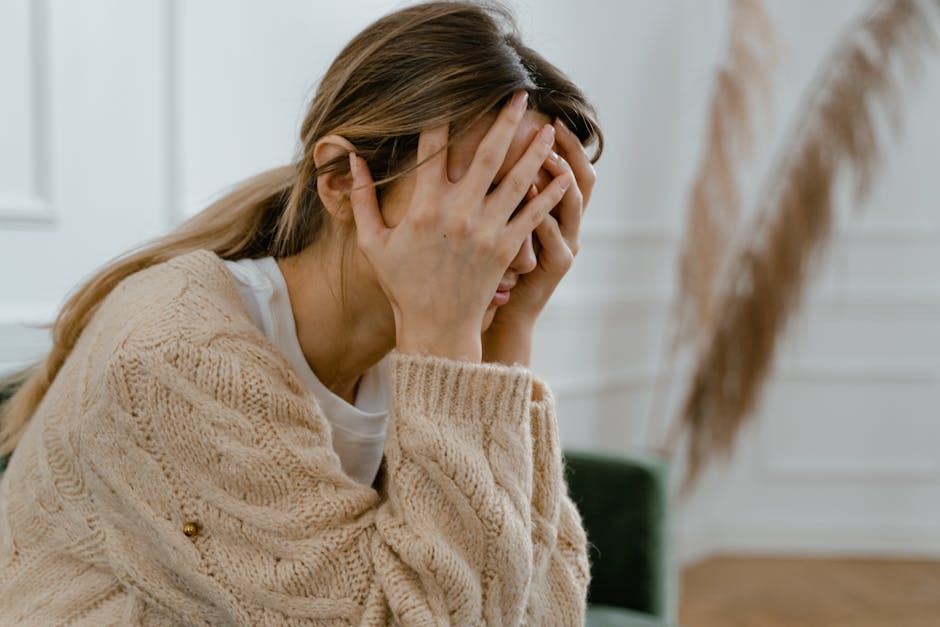
Perimenopause brings many changes, but anxiety doesn't have to control this important transition. Understanding the root causes and implementing targeted strategies can transform this challenging period into an opportunity for growth and renewed well-being.
Perimenopause anxiety isn't imaginary or a sign of weakness; it's a legitimate response to significant hormonal changes occurring in the body. , often at times completely unrelated to their menstrual cycle.
Women with a previous diagnosis of anxiety face even greater risk during perimenopause, as existing vulnerabilities become magnified by fluctuating hormones. The physical symptoms of perimenopause—hot flashes, night sweats, and sleep disturbances—can intensify feelings of anxiety and unease, creating a cycle that feels overwhelming.
Recognizing anxiety symptoms early empowers women to take control. can make all the difference in transforming this challenging period into a time of empowerment and renewal.
The connection between hormones and anxiety becomes crystal clear when examining what happens inside the body during perimenopause. These biological changes create a cascade of effects that directly impact mental and emotional well-being.
When estrogen and progesterone hormone levels drop during perimenopause, serotonin levels fall alongside them. Serotonin, often called the "feel-good" neurotransmitter, plays a crucial role in regulating mood, sleep, and overall emotional stability. This decrease directly contributes to increased irritability, nervousness, and anxiety that many women experience.
The timing of these hormonal fluctuations can be unpredictable, causing anxiety symptoms to appear seemingly out of nowhere. Unlike the more predictable patterns of PMS, perimenopausal anxiety can strike at any time during the menstrual cycle, making it particularly challenging to anticipate and manage.
Higher levels of cortisol, the body's primary stress hormone, naturally increase with age and create additional feelings of anxiety during perimenopause. Estrogen helps modulate cortisol levels, so declining estrogen during perimenopause can lead to erratic cortisol patterns. This elevation in cortisol levels can trigger the body's fight-or-flight response even when no real danger exists, leading to physical symptoms like rapid heartbeat, sweating, and digestive problems.
Cortisol also interferes with sleep patterns and cognitive function, making it harder to focus or remember things clearly. This creates a vicious cycle where poor sleep increases stress, which raises cortisol levels further, perpetuating anxiety symptoms and making daily tasks feel overwhelming.
Mind-body techniques offer powerful tools for managing perimenopause anxiety by directly addressing the body's stress response systems. These evidence-based approaches help regulate hormones naturally while providing immediate relief from anxiety symptoms.
Deep breathing exercises activate the parasympathetic nervous system, which counteracts the body's stress response and lowers cortisol levels. The box breathing technique involves inhaling for four counts, holding for four, exhaling for four, and holding empty for four counts, creating a calming rhythm that promotes relaxation.
The 4-7-8 method offers another effective approach: inhale for four counts, hold for seven, and exhale for eight counts. This pattern naturally slows the heart rate and signals the brain to shift from anxiety mode into a state of calm. Practicing these techniques for just five minutes daily can create lasting changes in stress response patterns.
Regular meditation practice directly impacts hormone regulation by reducing cortisol production and promoting a sense of calm. Mindfulness techniques help women observe anxious thoughts without becoming overwhelmed by them, creating space between the trigger and the emotional response.
Even brief mindfulness sessions can stabilize mood throughout the day. Starting with guided meditations or simple awareness of breathing patterns helps establish a foundation for managing anxiety when it arises. The key lies in consistency rather than duration—five minutes of daily practice often proves more beneficial than longer, infrequent sessions.
Yoga combines physical movement with breath awareness, creating a powerful combination for anxiety relief. Specific poses stimulate hormone-regulating glands like the thyroid and adrenals, helping restore balance to the endocrine system. Gentle inversions and twisting poses particularly benefit women experiencing perimenopausal symptoms.
The meditative aspects of yoga practice calm the mind while building physical strength and flexibility. Regular yoga sessions improve sleep quality, reduce muscle tension, and provide a structured way to process emotional changes occurring during perimenopause.
Physical activity stands as one of the most effective natural treatments for anxiety and hormonal balance. The benefits extend beyond immediate mood improvement to create lasting changes in how the body responds to stress.
Consistent exercise helps regulate hormone production while reducing chronic inflammation that can worsen anxiety symptoms. Physical activity naturally increases endorphin production, creating feelings of well-being that counteract anxiety and depression. Movement also improves insulin sensitivity and supports healthy cortisol patterns throughout the day.
The type of exercise matters less than consistency. Walking, swimming, strength training, or dancing all provide benefits when practiced regularly. Even moderate activity for 30 minutes most days of the week can significantly improve both physical and emotional symptoms of perimenopause.
A detailed meta-analysis revealed that mind-body exercises such as Pilates, yoga, tai chi, qigong, and mindfulness-based stress reduction significantly improve anxiety in perimenopausal and postmenopausal women. These practices combine gentle movement with mental focus, addressing both physical tension and racing thoughts.
Mind-body exercises particularly excel at improving sleep quality, which often suffers during perimenopause. Better sleep creates a positive cycle where improved rest leads to better hormone regulation, reduced anxiety, and increased energy for daily activities. Regular practice also builds body awareness, helping women recognize early signs of anxiety and respond appropriately.
While lifestyle strategies form the foundation of anxiety management, professional treatments can provide additional support when symptoms significantly impact daily life. These evidence-based approaches address both the psychological and physiological aspects of perimenopausal anxiety.
Cognitive Behavioral Therapy (CBT) helps reframe negative thought patterns and modify behaviors that contribute to anxiety. The National Institute for Health and Care Excellence recommends experienced by women during the menopause transition and post-menopause.
CBT proves particularly effective for addressing nighttime anxiety that leads to insomnia. Therapists teach practical tools for managing racing thoughts, catastrophic thinking, and sleep disruption. Research shows that CBT can even help alleviate physical symptoms like hot flashes by changing how women perceive and respond to these experiences.
Hormone replacement therapy (HRT) can improve anxiety symptoms by helping balance hormones that play a part in mood regulation. When hormones become more balanced, many women experience significant reduction in anxiety, improved sleep, and better overall mood stability. However, HRT isn't typically prescribed specifically for reducing anxiety.
HRT requires careful evaluation and ongoing monitoring by healthcare providers. Individual factors like personal health history, family medical history, and specific symptoms all influence whether HRT represents the best treatment approach. Regular follow-ups ensure that hormone levels remain optimized while monitoring for any potential side effects.
Perimenopause anxiety responds well to proactive management strategies that address both immediate symptoms and underlying hormonal changes. Starting with one or two techniques and gradually building a structured approach creates sustainable relief without overwhelming an already stressed system.
Begin by implementing daily deep breathing exercises and adding gentle movement to establish a foundation for anxiety management. Consider professional support when symptoms interfere with work, relationships, or daily activities. Remember that seeking help demonstrates strength and self-awareness, not weakness.
The key to success lies in consistent action rather than perfect execution. Small, daily steps toward better anxiety management create momentum and build confidence in handling whatever perimenopause brings. Every woman deserves to navigate this transition with grace, support, and effective tools for maintaining emotional balance.


