Struggling with thin hair? Lightweight natural products deliver essential nutrients without weighing strands down. Experts recommend that you limit washing to 2-3 times weekly, apply conditioner strategically and try ingredients like castor oil which strengthen follicles while creating immediate fullness.
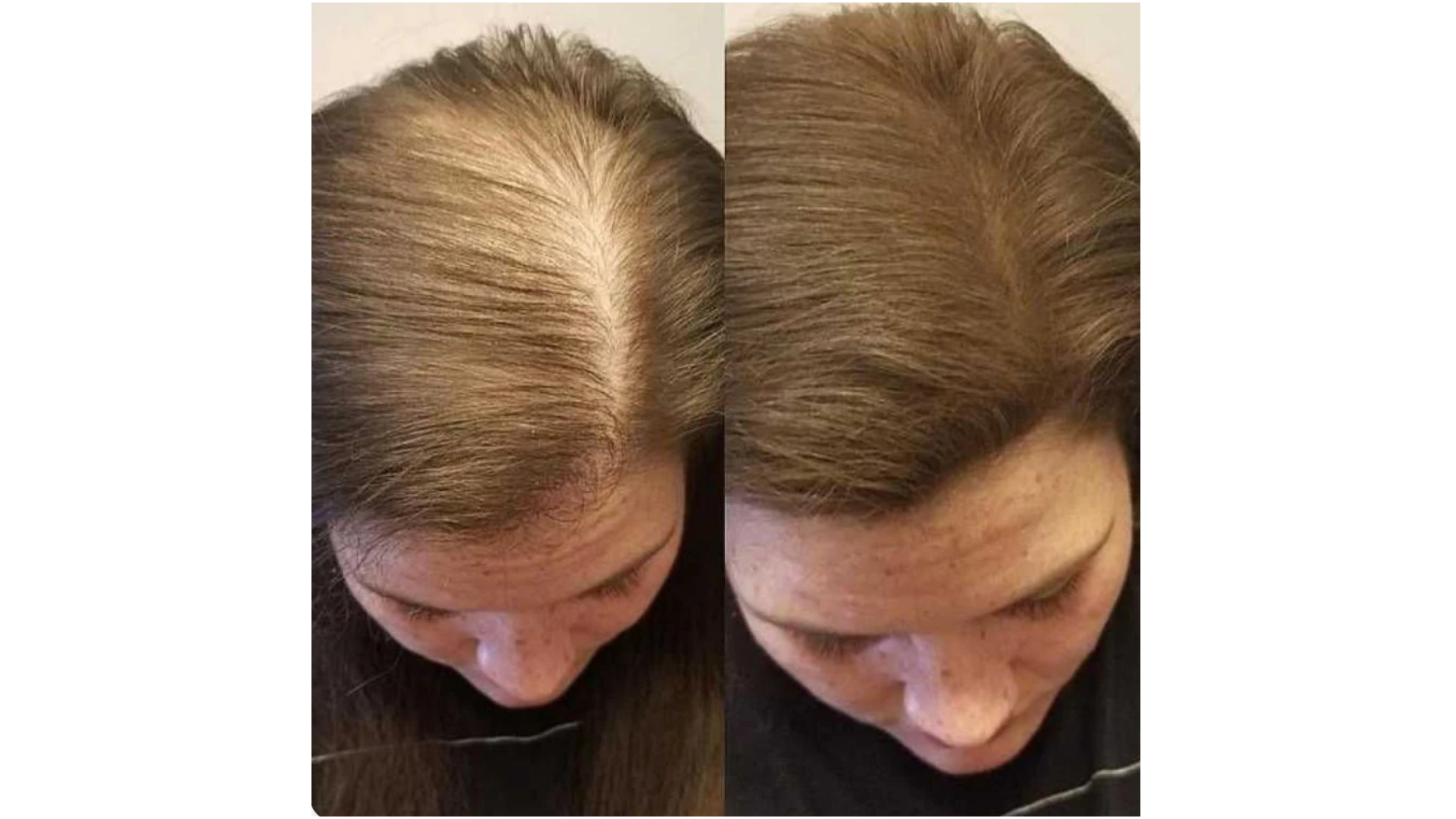
Fine hair presents a unique challenge. Thinner in diameter than a strand of thread, it's naturally more delicate, prone to breakage, and often appears limp without proper care. The struggle to add volume isn't just cosmetic—it's about maintaining hair health while creating the appearance of fullness.
The primary issue with fine hair isn't necessarily lack of density, but rather how easily it gets weighed down. Heavy products that might work wonders for thicker hair types can make fine hair look flat and greasy within hours. This is why lightweight formulations are absolutely essential. use ingredients that add body without the heavy residue that can flatten delicate strands.
Before choosing the right products, it's important to understand exactly what hair type you're working with. Fine hair refers to the diameter of each individual strand—it's naturally thin in width. This is different from thinning hair, which refers to decreased density (fewer hairs per square inch on your scalp).
Fine hair characteristics include:
Thinning hair characteristics include:
Many people have both fine and thinning hair, which requires even more specific care approaches to maximize volume while supporting growth.
The secret to adding volume to fine hair lies in choosing products with potent natural ingredients that strengthen hair without weighing it down. These ingredients work by nourishing the scalp, strengthening the hair shaft, and promoting healthy growth from the follicle—all without leaving heavy residues.
Biotin, often called vitamin H, is essential for producing keratin, the protein that makes up hair. For fine hair, biotin helps strengthen the hair shaft from within, making strands more resilient to breakage and giving the appearance of fuller, thicker hair over time. When fine hair lacks biotin, it becomes even more prone to breakage and appears thinner, making biotin-infused products particularly valuable for adding resilience.
Despite being an oil, lightweight formulations of castor oil can work wonders for fine hair when used properly. Rich in ricinoleic acid, castor oil has antimicrobial properties that help create a healthy scalp environment. It increases circulation to the follicles and adds a protective coating to hair strands without the heaviness of other oils. For those with fine hair, this translates to improved texture and body without the dreaded flatness that comes with heavier oils.
Caffeine isn't just for your morning cup—it's also a powerful stimulant for hair follicles. When applied topically, caffeine penetrates the scalp and extends the growth phase of hair. For fine hair, this means longer, stronger strands that contribute to overall volume. Caffeine also improves blood circulation to the scalp, ensuring hair follicles receive optimal nutrition for producing thicker, healthier strands.
Capixyl™ combines a biomimetic peptide with red clover extract to address the main causes of hair thinning. It works by strengthening hair follicles and extending the growth phase of the hair cycle. Red clover, one of its key components, improves blood circulation and supports overall scalp wellness, which is essential for fine hair to reach its full volume potential.
How you wash your hair is just as important as what products you use. Fine hair requires specific washing techniques to maintain volume and prevent the flat, limp appearance that often comes with improper cleansing.
One of the biggest mistakes people with fine hair make is overwashing. Daily shampooing strips natural oils, which triggers the scalp to produce even more oil—creating a vicious cycle that leaves fine hair looking flat and greasy. Limiting washing to 2-3 times per week allows your scalp to regulate oil production naturally. On non-wash days, use a lightweight dry shampoo at the roots only to absorb excess oil without adding weight.
When you do wash, use a volumizing shampoo that contains natural ingredients. These formulations gently cleanse while adding body to the hair shaft. Once weekly, substitute with a clarifying shampoo to remove product buildup that can weigh hair down and make it appear thinner.
After conditioning, always finish with a cold water rinse. Hot water opens the hair cuticle, while cold water seals it, locking in nutrients and creating a smoother surface that reflects more light. This simple 30-second step gives the appearance of thicker, shinier hair throughout the day. For maximum benefit, gradually reduce the water temperature during your final rinse rather than shocking your scalp with icy water.
Additionally, regular scalp exfoliation (about once weekly) helps eliminate dead skin cells and product residue that can clog follicles and weigh down roots. Using a gentle scrub with natural ingredients stimulates circulation while creating a clean foundation for volumizing products to work effectively.
Daily habits make a significant difference in how fine hair looks and feels. Simple adjustments to your routine can dramatically improve volume and overall hair health.
Brushing fine hair isn't just about detangling—it's a crucial step for stimulating the scalp and distributing natural oils. Use a brush with natural bristles or a wide-tooth comb to prevent breakage. Start brushing from the ends and gradually work your way up to avoid pulling and snapping delicate strands.
For maximum volume, try brushing your hair in the opposite direction of how it naturally falls. This creates lift at the roots that can last throughout the day. Spend at least 2-3 minutes each day brushing to stimulate blood flow to the scalp, which encourages healthier, stronger growth over time.
Constant heat styling is particularly damaging to fine hair, making it more prone to breakage and appearing even thinner. Try these heat-free styling methods:
When heat styling is necessary, always follow the 75% rule: Allow your hair to air-dry about 75% of the way before finishing with a blow dryer. This minimizes the time your hair is exposed to damaging heat while still achieving the desired style.
The way you treat your hair while sleeping has a profound impact on its appearance the next day. Fine hair is particularly susceptible to friction damage that occurs while tossing and turning. Invest in a silk or satin pillowcase that allows hair to glide smoothly, preventing the friction that causes breakage and bedhead.
For longer hair, a loose, high bun secured with a silk scrunchie can help maintain volume at the roots overnight. Avoid tight hairstyles that can stress the hair shaft and lead to breakage. Regular trims every 6-8 weeks also help prevent split ends that travel up the hair shaft and make fine hair appear even thinner.
Look for products specifically labeled for fine or thin hair. These formulations are designed to add body without weighing hair down. Key products to include in your routine:
Always check ingredients—natural, plant-based components generally provide benefits without the buildup that synthetic ingredients can cause.
Even the best products won't deliver results if applied incorrectly. For maximum volume:
Many people with fine hair find that applying styling products to damp, not soaking wet hair, helps prevent the product from being diluted and gives better results.
Certain products are simply incompatible with fine hair:
While instant volume is satisfying, the true goal should be improving hair health for sustainable fullness and strength. Natural products offer significant advantages for fine hair in the long term.
Unlike harsh chemicals that can strip and damage hair over time, natural ingredients work with your body's systems to improve hair from the inside out. They support the natural hair growth cycle while providing essential nutrients directly to the follicle and shaft.
Natural ingredients contain plant extracts rich in vitamins, minerals, and amino acids that strengthen the hair structure. Many also have anti-inflammatory and antimicrobial properties that create an optimal scalp environment for hair growth.
Consistency is key—using natural products as part of a regular hair care routine leads to cumulative benefits. Over time, you'll likely notice not just more volume, but improved hair quality, less breakage, and potentially even increased density as healthier follicles produce stronger strands.
By combining smart product choices with proper hair care techniques and a gentle, natural approach, even the finest hair can achieve lasting volume and health.
For those seeking both immediate volume and long-term hair health improvements, Trybello offers natural solutions specifically formulated to address the unique needs of fine hair.


