Most homeowners wait until something goes wrong to think about their roof—by then, repairs can cost up to $15,000. But how often should you actually schedule a professional inspection, and what factors determine the right frequency for your specific situation?
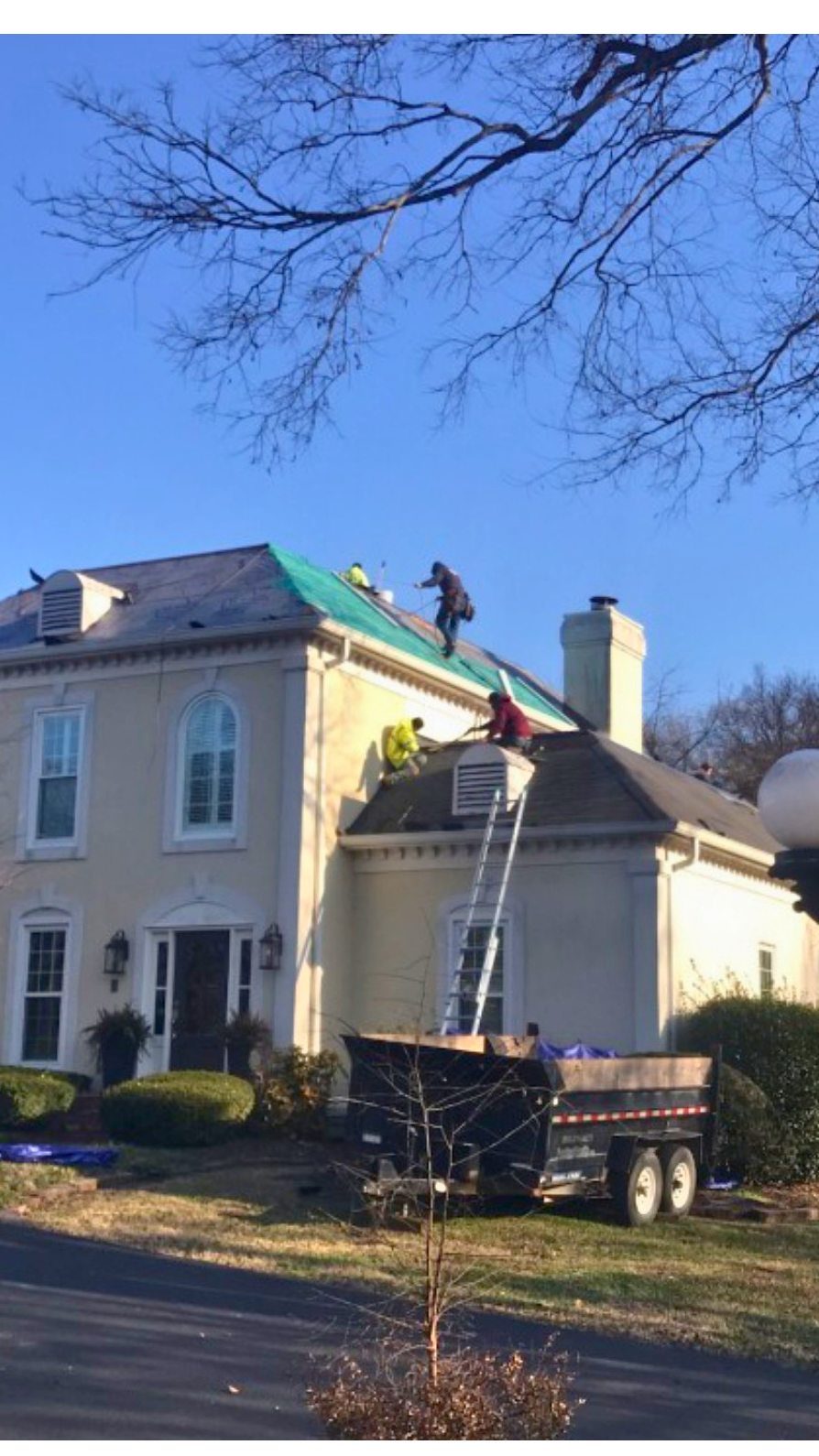
Most homeowners only think about their roof when something goes wrong — a stain on the ceiling, a missing shingle after a storm, or a suspiciously high energy bill. By then, the damage is usually already done. A professional roof inspection is one of the simplest, most cost-effective ways to stay ahead of that curve, and the difference between a $300 fix and a $12,000 repair often comes down to how early an issue gets caught.
The National Roof Certification and Inspection Association (NRCIA) recommends professional roof inspections at least twice a year — once in the spring and once in the fall — along with an immediate inspection after any major weather event. That's the gold standard. But a broader expert consensus suggests that at minimum, every homeowner should schedule a professional inspection at least once every 12 months, with the ideal timing being spring or early summer before storm season sets in.
These aren't arbitrary numbers. Spring inspections catch damage left over from winter freeze-thaw cycles. Fall inspections prepare the roof for the cold months ahead. Together, they create a maintenance rhythm that keeps small issues from snowballing into structural problems. Teams like those at Worth Roofing Company work with homeowners year-round to build exactly this kind of proactive inspection schedule — one that accounts for local climate, roof age, and material type rather than applying a one-size-fits-all approach.
Inspection frequency isn't purely about the calendar. It depends on several intersecting factors — and understanding them helps homeowners make smarter, more personalized maintenance decisions.
The NRCIA's twice-yearly recommendation represents the high end of standard guidance, while most roofing professionals settle on at least once per year as a practical baseline. Annual inspections, ideally timed for spring or early summer, give contractors a chance to assess winter wear and flag any vulnerabilities before summer storms arrive. For homeowners in regions with extreme weather — heavy snowfall, hurricane-prone coastlines, or frequent hail — twice a year is the smarter standard.
The International Residential Code (IRC) and International Building Code (IBC) establish baseline requirements for roof system performance in the U.S., which inspections measure against. While these codes do not specify a universal inspection interval, they reinforce that maintaining proper roof condition is a professionally recognized standard.
A newer roof in a mild climate can reasonably get by with a single annual inspection. But once a roof passes the 10-15 year mark, the calculus changes. Materials wear faster. Flashings begin to loosen. Granule loss on asphalt shingles accelerates. For older roofs, annual inspections become a minimum — and twice-yearly visits are often worth the investment.
This isn't just about cosmetics. Older roofing systems are more susceptible to hidden moisture infiltration and structural fatigue. A professional inspector can identify early-stage deterioration in materials and connections that would be completely invisible from the ground — or to an untrained eye on the roof itself.
Scheduled inspections are important. But certain events should trigger an immediate unscheduled inspection regardless of when the last one occurred. These include:
Post-storm damage often looks minor on the surface while hiding significant underlying problems. Waiting until the next scheduled inspection — even just a few months away — allows water intrusion to quietly damage decking, insulation, and interior ceilings in the meantime.
The financial case for regular inspections is straightforward: small fixes cost a fraction of large ones. The challenge is that roofing problems rarely announce themselves dramatically at the start. They build quietly until the damage is significant enough to be undeniable — and expensive.
Catching a loose shingle or a small area of compromised flashing during a routine inspection typically costs a few hundred dollars to repair. Leave those same issues unaddressed, and they create pathways for water intrusion. Water intrusion leads to rotted roof decking, damaged insulation, and eventually interior ceiling and wall damage. Roofing industry data shows that repairs for severe, unaddressed damage can run anywhere from $1,000 to $15,000 — or more, depending on how far the damage has spread.
A real-world example illustrates this well: a $350 independent inspection identified early drainage failure on a residential roof. The targeted repair cost $1,200. Had the same issue gone undetected for another year or two, the cascading water damage would have pushed that bill into the thousands — potentially requiring a full roof section replacement.
There's a significant gap between what a homeowner sees walking around their property and what a trained inspector identifies during a thorough evaluation. Professional inspectors use advanced tools and expertise to detect:
None of these are reliably visible from the ground. Many aren't apparent to non-specialists even when standing directly on the roof. This expertise gap is precisely why professional inspections deliver value that DIY walkarounds simply cannot replicate.
A standard asphalt shingle roof has an average lifespan of around 30 years — but only when properly maintained. Roofs that receive no professional attention often need replacement significantly earlier, while well-maintained roofs regularly meet or exceed their expected lifespan.
The mechanism is simple: every small issue that goes unrepaired accelerates wear on the surrounding materials. A minor flashing gap lets moisture under the shingles. That moisture softens the decking. The softened decking reduces the support for the shingles above it. What started as a $200 flashing repair becomes a multi-thousand-dollar decking replacement — and the clock on the roof's overall life speeds up in the process.
Regular inspections interrupt that cycle. By catching and addressing minor issues as they arise, the entire roofing system maintains its structural integrity longer. Shingles, underlayment, flashings, and ventilation components all last closer to their rated lifespan when they're not compensating for neglected weak points elsewhere. Over a 30-year ownership horizon, this translates into meaningful savings — and potentially delaying a full roof replacement by years.
The financial impact of a deteriorating roof gets most of the attention, but the safety and health consequences are just as serious — and in some cases, more urgent.
A roof's structural integrity depends on each of its components working together. When decking rots from water infiltration, or when rafters weaken from prolonged moisture exposure, the roof's ability to bear load — whether from snow, wind pressure, or its own weight — is compromised. In extreme cases, structural failure can lead to partial or full roof collapse.
This isn't a rare worst-case scenario reserved for ancient homes. Roofs with undetected water damage can deteriorate surprisingly quickly, particularly in climates with freeze-thaw cycles that force water deeper into compromised materials with each cold season. Professional inspections assess the strength and condition of structural components, identifying weakness before it becomes a safety hazard.
Even short of structural failure, a leaking roof creates ideal conditions for mold and mildew growth — and that's a health problem, not just a repair problem. Mold spores circulating through a home's HVAC system affect indoor air quality in ways that are particularly harmful to children, the elderly, and anyone with respiratory conditions or allergies.
Moisture intrusion also degrades insulation, reducing a home's energy efficiency and driving up heating and cooling costs. A well-maintained roof actively contributes to a healthier, more energy-efficient home environment — and inspections are what keep it that way. Addressing moisture pathways early, before mold takes hold, is far simpler and cheaper than remediation after a colony has established itself in the attic or wall cavities.
Beyond direct repair savings, professional roof inspections deliver financial value in two less obvious but equally important ways: insurance protection and objectivity.
Many homeowner insurance policies include clauses requiring proof of regular roof maintenance. When a claim is filed — particularly for weather-related damage — insurers may investigate whether the roof was reasonably maintained. A history of documented professional inspections demonstrates responsible homeownership and can make the difference between a smooth claim process and a denied or reduced payout.
Beyond claim support, well-maintained roofs are less likely to generate claims in the first place. That track record can contribute to more favorable policy terms over time. Keeping inspection reports on file isn't just good practice — it's financial protection in documented form.
Not all roof assessments are created equal. A contractor who profits from repairs has an inherent incentive to recommend them. An independent professional inspector — one whose sole deliverable is an accurate assessment — has no such incentive. Independent inspections provide an unbiased evaluation that helps homeowners understand what actually needs attention versus what a contractor might flag opportunistically.
This objectivity also helps with budgeting. Knowing the current condition of a roof and which components are approaching end-of-life allows homeowners to plan maintenance spending over a multi-year horizon, rather than reacting to emergency repair bills. That kind of visibility turns an unpredictable expense into a manageable one.
A roof doesn't send calendar reminders. It communicates through water stains, sagging sections, and energy bills that quietly creep upward — none of which are the kind of signals any homeowner wants to be the first to notice. The consistent thread running through every expert recommendation, every industry guideline, and every cost comparison is the same: proactive inspection is always cheaper than reactive repair.
The right inspection frequency depends on roof age, local climate, material type, and recent weather events — but for most homeowners, once a year is the minimum and twice a year is the smart standard. The inspection itself costs a fraction of what it prevents, and the documentation it produces protects everything from insurance claims to resale value.


