If you’re still using the same electrical panel your San Diego home had in the 1970s, you might be unknowingly creating a serious fire hazard. Here’s what frequent breaker trips and flickering lights are really telling you… and why ignoring them could seriously cost you.
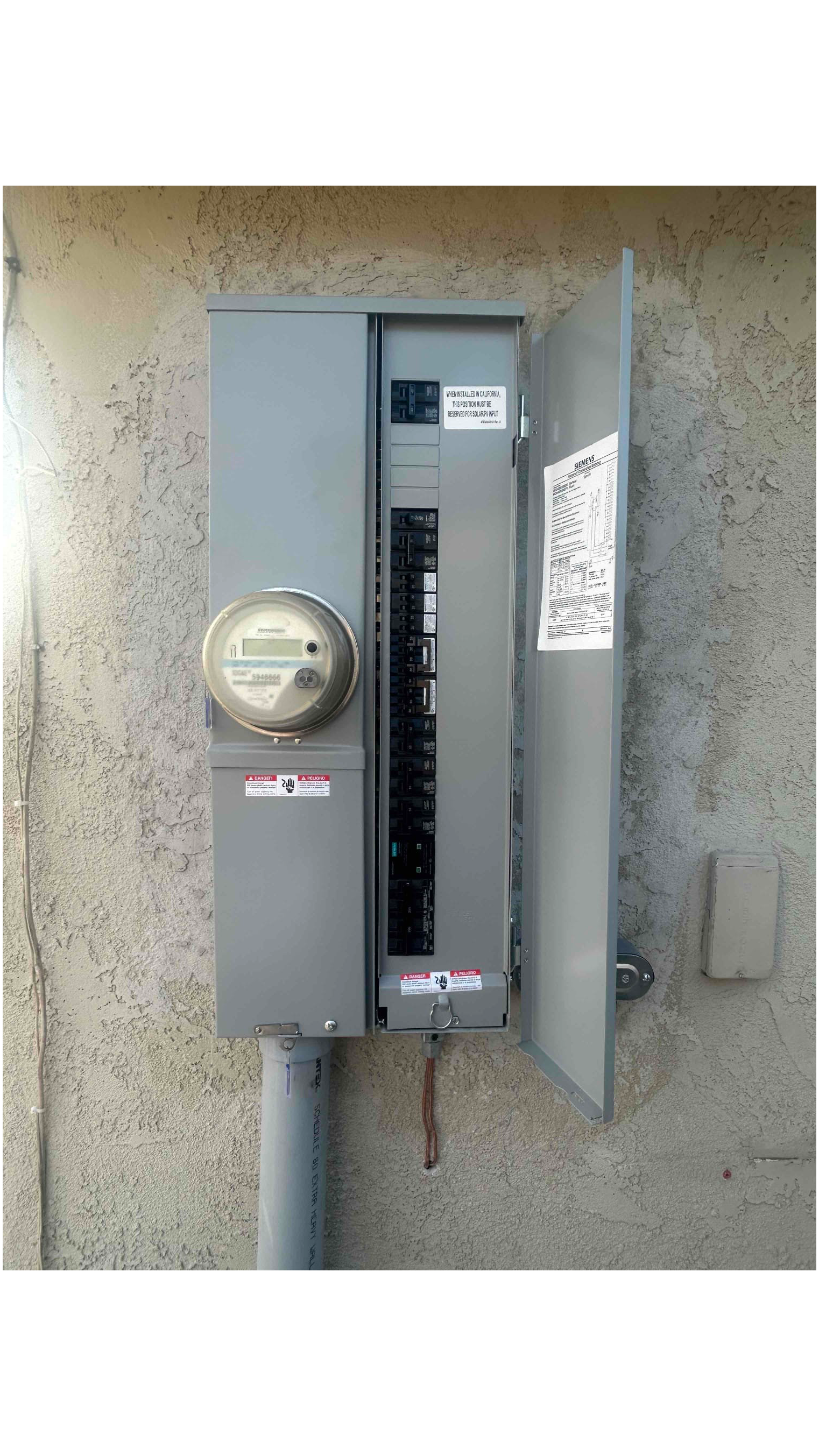
San Diego homeowners face a unique challenge with electrical panel upgrades. Many beautiful coastal homes were built decades ago when electrical demands were minimal, but today's smart homes, electric vehicles, and high-efficiency appliances require significantly more power capacity.
The cost of upgrading an electrical panel in San Diego varies significantly based on multiple factors. Material costs have skyrocketed in the last 5 years as the prices of copper and other commodities have consistently increased. The regulations change rapidly requiring a high level of behind the scenes expertise.
Labor costs represent a large portion expense, and with the explosion of red tape and requirements a significant amount of administrative time is required to manage and coordinate permits, inspections and coordination between the city and utility to ensure a smooth project.
However, keep in mind that costs can reach $15,500 or more for complex installations involving underground service changes which require trenching, extensive rewiring, or homes requiring additional electrical work to meet current codes.
While the actual installation typically takes 8-10 hours and completes in one day, the entire process can span several weeks to several months due to permit requirements and utility coordination. The administrative process with SDG&E can take several weeks, with utility review times varying significantly based on local scheduling and potential backlogs.
One San Diego homeowner experienced a lengthy administrative process with SDG&E and city permitting that extended to several months, though the actual installation took less than 8 hours. It just goes to show the importance of starting the permit process early and working with experienced contractors who understand local requirements.
Several clear indicators signal that your electrical panel can't handle modern power demands. Frequent breaker trips when running multiple appliances, dimming or flickering lights when major appliances start, and burning smells from outlets or the panel itself or buzzing or sizzling noises in the panel all indicate electrical system strain.
Warm outlets, burn marks around switches, or relying heavily on extension cords and power strips also signal inadequate circuit capacity. These warning signs shouldn't be ignored, as they indicate your electrical system is working beyond its safe limits.
The permit process starts with submitting a work order request to San Diego Gas & Electric (SDG&E) for electrical service upgrades. After submission, SDG&E assigns a planner who designs the project and specifies technical requirements including conduit size, meter height, and panel location.
This planning phase ensures your installation meets both utility standards and safety requirements. The utility review process can vary significantly, with some applications taking longer due to scheduling and potential backlogs.
All electrical panel upgrades in San Diego require a city permit to ensure compliance with the National Electrical Code (NEC) and local regulations. For electrical panel upgrades, electrical plans signed and stamped by a California registered electrical engineer or a C-10 licensed contractor are generally required, as these projects typically do not qualify for a 'Simple No-Plan' electrical permit.
The permit can be issued to either a licensed California State Contractor or the property owner, though professional installation is strongly recommended for safety and code compliance reasons.
On installation day, SDG&E safely disconnects power at the utility source before any work begins. The old panel is removed and the new system installed with all circuits, breakers, and grounding connected according to code requirements.
Power remains off throughout the installation process, typically 8-10 hours for standard upgrades. Once city inspection approves the completed work, SDG&E restores permanent power, completing the upgrade process.
Today's homes have dramatically different electrical needs compared to decades past. Modern households typically have 17 to 21 connected devices, compared to just a few in the 1970s. Electric vehicle chargers alone can require 40-50 amps of dedicated capacity.
High-efficiency appliances, central air conditioning, home offices with multiple computers, and workshop equipment all demand substantial electrical capacity that older 60-100 amp panels just can't provide safely.
Smart home systems, security cameras, automated lighting, and home automation hubs require reliable, adequate electrical supply. These systems often include backup power requirements and sensitive electronics that need stable power delivery.
Solar panel installations and battery backup systems also require modern electrical infrastructure capable of handling bidirectional power flow and advanced safety systems that older panels lack.
California requires electrical contractors to hold a C-10 license, which requires 10,000 hours of full-time electrical experience at the journeyman level, passing both C-10 technical and Law and Business examinations, and securing a contractor bond (e.g., $15,000 or $25,000).
Additionally, electricians working for C-10 licensed contractors must be certified by the Division of Labor Standards Enforcement, requiring specific hours of on-the-job experience and passing certification exams.
San Diego's older homes in neighborhoods like Point Loma, North Park, La Mesa, and La Jolla present unique challenges. These homes often contain outdated wiring, aluminum circuits, and electrical systems not designed for modern appliances and devices.
Contractors experienced with older homes understand how to safely work around legacy wiring, upgrade systems without compromising structural integrity, and ensure full code compliance.
Electrical panel upgrades involve direct interaction with high-voltage power that can cause fatal electrocution, arc flashes, or house fires. Even when power appears disconnected, improper procedures can leave live circuits energized.
Professional electricians use specialized safety equipment, insulated tools, and follow strict procedures to manage these risks safely. DIY installations violate San Diego building codes, void insurance coverage, and create legal liability issues.
Unpermitted electrical work gets flagged during home inspections, potentially affecting resale value and leaving sellers liable for undisclosed defects. Professional installations provide proper permits, inspections, and warranties that protect both safety and property value.
Upgrading an electrical panel requires expertise, precision, and strict adherence to safety standards. The best contractors combine technical knowledge with experience in older home systems, proper licensing, and a commitment to safety-first installations.
Licensed contractors provide code-compliant installations, handle all permit requirements, coordinate with SDG&E, and offer warranties on parts and labor. They understand how electrical systems interact with plumbing and HVAC systems, preventing costly mistakes and ensuring reliable operation.
Professional installation also provides peace of mind through proper load balancing, correct wire sizing, and precise connections that ensure long-term reliability and safety for your family and property.


