Female literacy isn’t just education—it’s freedom. When women learn to read, they break poverty cycles, gain financial protection, and empower their children’s futures. With two-thirds of illiterate adults being female, literacy programs create pathways to equality and independence.
The statistics are sobering: approximately one in six adults worldwide cannot read or write, with women making up two out of every three illiterate adults. According to UNESCO, nearly 800 million adults globally lack basic literacy skills, with women from non-dominant language communities particularly affected. This literacy gender gap represents one of the most significant barriers to women's advancement globally.
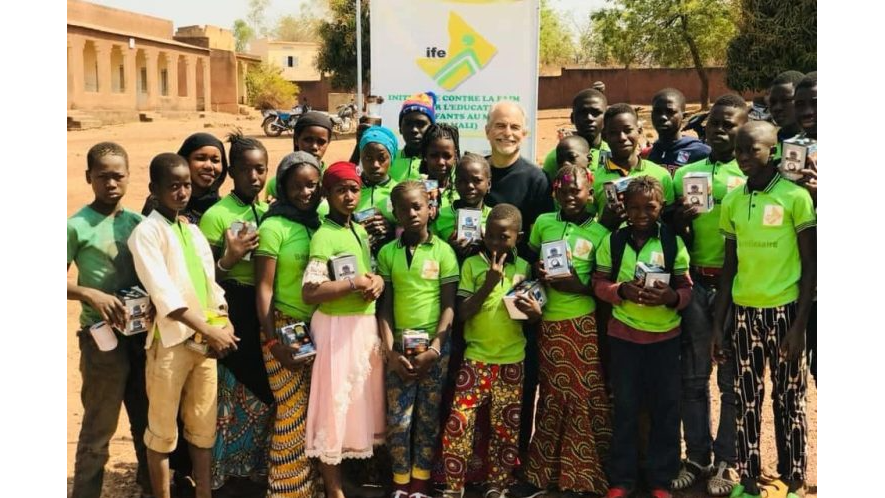
While illiteracy affects people of all genders, the disproportionate impact on women creates cascading effects that touch every aspect of their lives. Organizations like IFE Mali recognize that addressing female illiteracy is not just about teaching reading and writing—it's about fundamentally transforming communities through women's empowerment.
The consequences of female illiteracy extend far beyond the individual. When women cannot read or write, entire communities lose potential leaders, entrepreneurs, and change-makers. Former UN Secretary-General Ban Ki-moon emphasized this point perfectly when he stated, "Every literate woman marks a victory over poverty." This understanding drives global literacy initiatives focused specifically on women and girls.
Literacy serves as a powerful tool for breaking persistent cycles of poverty that trap generations of women. When a woman learns to read and write, she gains access to information about better farming techniques, business opportunities, and financial services that were previously inaccessible. This knowledge creates pathways out of poverty that benefit not just individual women but their entire families.
UNESCO has consistently found that investing in women's literacy directly improves livelihoods and economic conditions. The ability to understand contracts, agricultural instructions, or marketplace pricing transforms a woman's economic potential. As women develop these skills, they can make more informed decisions about their financial futures, gradually lifting themselves and their children out of poverty.
One of the most immediate benefits of literacy is protection from financial exploitation. Non-literate women are especially vulnerable to scams, unfair contracts, and predatory lending practices. Without the ability to read terms and conditions or verify written agreements, women often rely on others—sometimes with problematic motives—to interpret information for them.
Learning to read and write serves as a shield against these vulnerabilities. Literate women can verify prices, read receipts, understand loan terms, and ensure they receive fair compensation for their work. This protection extends beyond the marketplace into healthcare, legal matters, and other areas where documentation plays a crucial role.
Perhaps the most transformative economic benefit of literacy is the path it creates toward genuine self-reliance. Literacy enables women to pursue formal employment, start businesses, and participate in economic activities that require reading and writing skills. This self-reliance fundamentally shifts power dynamics both within households and communities.
When women achieve economic independence through literacy, they gain decision-making authority over household resources. Research consistently shows that when women control family finances, they typically invest more in children's education, nutrition, and healthcare—creating positive ripple effects throughout the community.
Literacy opens doors to meaningful civic engagement. When women can read voting materials, understand their rights, and access information about political processes, they become active citizens rather than passive subjects. This transformation is fundamental to building truly inclusive democracies where women's voices matter.
For many women, literacy becomes the first step toward engaging with local governance systems. Being able to read public notices, understand community decisions, and participate in written communications empowers women to advocate for their needs and interests. This is particularly important in societies where women have traditionally been excluded from public decision-making.
Literacy dramatically shifts the power dynamics within families and communities. When women can access and process information independently, they become more confident in expressing opinions and making decisions. This newfound confidence translates into greater influence in household choices regarding children's education, family planning, and resource allocation.
Communities with higher female literacy rates typically show more balanced gender relations and more equitable distribution of household responsibilities. As women gain the tools to advocate for themselves, traditional power structures often evolve to become more inclusive and representative of women's needs and perspectives.
Literacy enables women to connect with their broader communities in meaningful ways. Literate women can join community organizations, participate in parent-teacher associations, and engage with religious or cultural groups through written materials. This engagement strengthens social bonds and builds the social capital necessary for community development.
The ripple effects of women's literacy on community cohesion are significant. When women can communicate across distances through writing, organize through written plans, and document community needs, they become powerful agents of positive change. Their enhanced participation leads to stronger, more resilient communities.
One of the most powerful effects of women's literacy is its impact on the next generation. Studies consistently show that literate mothers are significantly more likely to send their children—especially their daughters—to school. This creates a virtuous cycle that helps break intergenerational patterns of illiteracy.
When mothers value education because they've experienced its benefits firsthand, they become strong advocates for their children's learning. They're more likely to ensure regular attendance, communicate with teachers, and create home environments that support education.
Literacy enables mothers to actively participate in their children's education beyond simply sending them to school. In the Literacy for Women in Africa program, an impressive 75% of women who completed literacy courses reported being able to help their children with reading at home. This at-home support dramatically improves children's educational outcomes.
Literate mothers can read to their children, help with homework, check school communications, and reinforce classroom learning. This educational support creates a powerful multiplier effect, as each literate woman potentially impacts the educational journey of multiple children.
By becoming literate, women help ensure that illiteracy doesn't continue into the next generation. Children who grow up with literate mothers see reading and writing as normal, valuable activities. They develop positive associations with literacy that encourage their own educational development.
Programs that teach women to read in their native languages, like those run by LWA across six African countries, recognize this intergenerational impact. By reaching over 20,000 women and training more than 1,000 local community members as literacy teachers, they're creating sustainable change that will benefit generations to come.
Literacy is not merely a skill—it's a fundamental human right that opens doors to all other rights. When women can read and write, they can learn about their legal protections, access healthcare information, understand their political rights, and advocate for themselves in countless contexts.
The transformative power of literacy in women's lives cannot be overstated. From economic empowerment to political participation to family wellbeing, literacy touches every aspect of life. It creates equality by leveling access to information and opportunity.
First-language literacy programs have proven particularly effective, recognizing that learning is most successful when it happens in a language women already speak fluently. This approach respects cultural contexts while providing the tools for broader engagement with the world.
Organizations like IFE Mali are leading the charge in making literacy accessible to women in ways that honor their languages, cultures, and life circumstances. Through their efforts and those of similar organizations worldwide, millions of women are gaining the life-changing ability to read and write—and with it, new possibilities for themselves and their communities.


