Science reveals your liver, kidneys, and brain already do this automatically—but 97% of people unknowingly sabotage these natural systems every single day. Here’s what actually works.
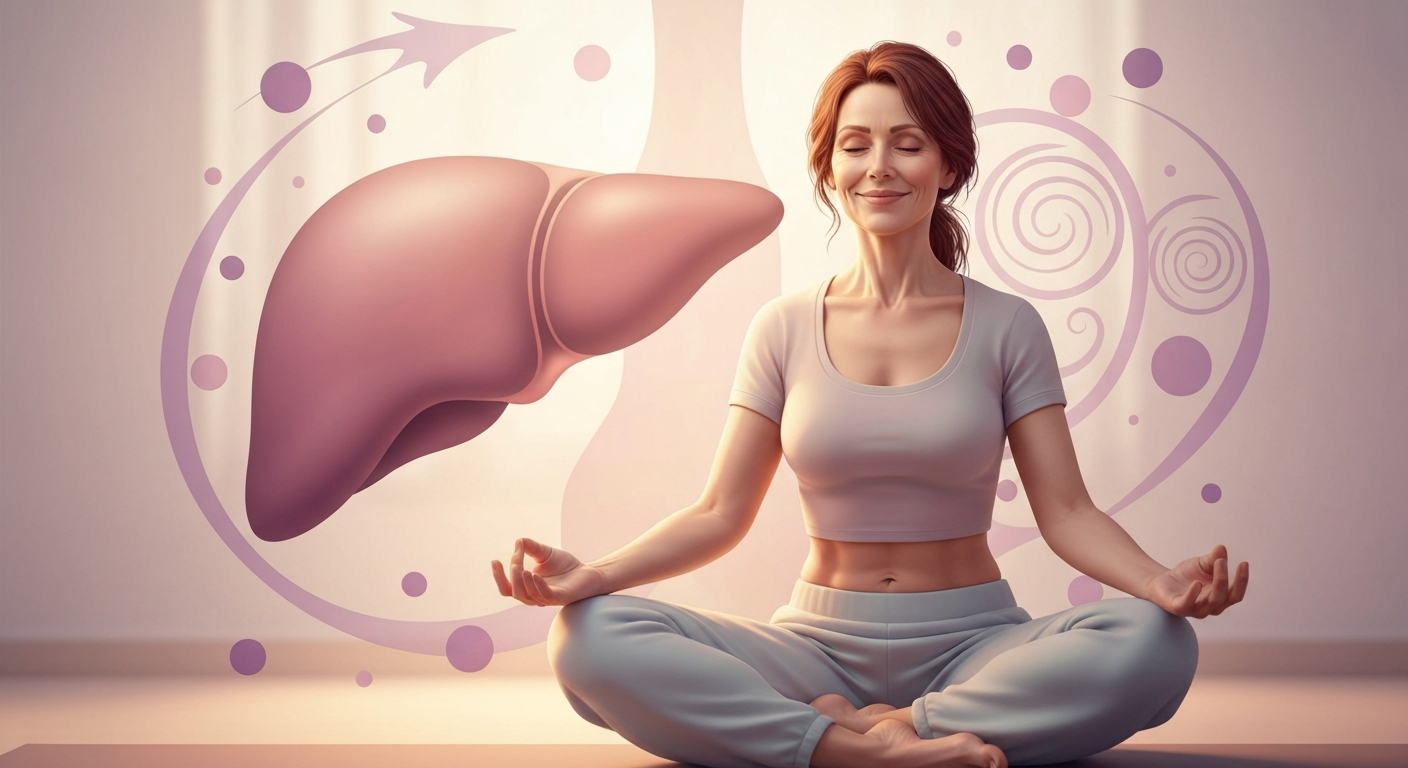
The liver stands as the body's primary detoxification facility, performing a complex two-phase process that converts fat-soluble toxins into water-soluble compounds for safe elimination. Phase I enzymes break down substances like alcohol, medications, and environmental pollutants, while Phase II enzymes attach molecules that make these byproducts easier to excrete through urine or bile.
Meanwhile, the kidneys function as biological filters, processing around 30-40 gallons of blood daily to remove waste products like urea and creatinine. The lungs continuously cleanse themselves using mucus and tiny hairs called cilia to trap and expel pollutants and germs. Even the skin plays a role, though primarily through its barrier function rather than elimination.
Understanding how these systems interconnect reveals why supporting them through evidence-based lifestyle choices proves far more effective than relying on unproven detox products. Relaxation practices like foot soaking can provide general relaxation and local circulation benefits, though the real detoxification happens internally through these natural processes.
Every night, the brain undergoes its own sophisticated cleaning cycle that most people never realize is happening. This process involves the glymphatic system, a waste-clearance pathway that operates most effectively during deep sleep stages.
During sleep, cerebrospinal fluid flows through channels in the spaces around brain cells, washing away metabolic waste that accumulates throughout the day. This system specifically targets proteins linked to neurodegenerative diseases, including beta-amyloids associated with Alzheimer's disease. Research shows that the glymphatic system functions optimally during deep sleep phases, creating a brain-washing effect that clears toxic waste.
Without this nightly maintenance cycle, cognitive capabilities slow down and judgment becomes impaired the following day.
Chronically poor sleep or sleep deprivation significantly impairs the brain's nightly cleansing process. Even getting slightly less than the recommended seven hours can affect the brain's ability to clear itself of waste material. Sleep loss also damages the blood-brain barrier function, which can compromise the brain's ability to eliminate potentially neurotoxic byproducts.
This accumulation of toxic substances increases the risk of neurodegenerative conditions over time. While some research in animal models has suggested that sleeping position might influence cerebrospinal fluid clearance, most people naturally change positions multiple times during sleep, limiting the practical significance of this finding.
Dietary fiber represents one of the most underutilized tools for supporting the body's natural detoxification processes. Unfortunately, 97% of American men and 90% of women fail to reach suggested fiber intake levels, missing out on this powerful cleansing mechanism.
Both soluble and insoluble fiber play crucial roles in the final phase of detoxification by binding to toxins, bile acids, and excess hormones in the intestines. Research demonstrates that fiber can bind toxic ions such as lead, arsenic, and copper, facilitating their removal through stool rather than allowing reabsorption into the bloodstream.
This binding action also helps eliminate bile acids, which lowers cholesterol levels and decreases cardiovascular disease risk. Some studies suggest that certain fibers may directly support the detoxification of carcinogens and inhibit cancer cell growth, though this research remains in early stages.
Emerging research indicates that fiber may even help eliminate "forever chemicals" (PFAS) - long-lasting, potentially harmful synthetic substances that persist in the environment and human body. Small-scale studies in both mice and humans found that taking fiber supplements with meals appears to reduce PFAS levels in the body, though researchers need more data to confirm these findings.
Plant-based foods provide the best fiber sources: dried fruits like apricots, leafy vegetables such as spinach, legumes including chickpeas and lentils, and whole grains like oats. Variety matters since different fiber types offer different detoxification properties.
Water serves as the medium for toxin removal, helping both kidneys and liver excrete waste effectively. The kidneys use water to flush out toxins such as sodium and urea, while dehydration causes waste to accumulate and reduces filtration efficiency.
Even mild dehydration can increase the risk of kidney damage over time and impair waste clearance capabilities. Adequate hydration also helps prevent kidney stone formation by diluting minerals that might otherwise crystallize. One systematic review of studies confirmed that increased water intake significantly reduces kidney stone risk.
Most people need around 2 to 3 liters of fluid daily (eight to twelve glasses) from water, lower-fat milk, and sugar-free beverages including tea and coffee. The outdated "eight glasses" recommendation stemmed from 1945 advice that incorrectly included food as a water source.
Regular physical activity supports the body's detoxification capacity, though not through the mechanism most people assume. Exercise supports toxin removal by increasing blood flow to the liver and kidneys, enabling these organs to filter waste more efficiently.
Despite popular beliefs about "sweating out toxins" through hot yoga, saunas, or heated workouts, scientific evidence doesn't support these claims. Sweat consists primarily of water and functions to regulate body temperature, not eliminate waste products. While minimal amounts of certain substances may appear in sweat, this represents an insignificant detoxification pathway compared to liver and kidney function.
Physiology experts consistently point out the lack of empirical evidence supporting sweat-based detoxification. The liver and kidneys remain the primary pathways for removing toxins from the body, making cardiovascular health and organ function far more important than sweat production.
Excess fat impairs liver function and reduces its ability to filter toxins effectively. Research demonstrates that both resistance training and aerobic exercise can significantly reduce liver fat content, particularly in patients with non-alcoholic fatty liver disease that causes long-term damage and scarring.
Long-term high-intensity interval training also prevents kidney function decline in older adults. Kidney health experts recommend brisk walking, swimming, and cycling as optimal exercises, though even gardening, housework, or taking stairs instead of elevators provides benefits.
While the body's detoxification systems operate automatically, stress management and relaxation practices can significantly support their optimal function. Chronic stress elevates cortisol levels, which can interfere with liver metabolism and kidney function over time.
Relaxation practices like foot soaking provide general relaxation and local circulation benefits, while saunas offer broader circulation improvements that can indirectly support the body's natural detoxification processes. Warm water dilates blood vessels, improving local blood flow, though the primary detoxification still occurs through liver and kidney function. While foot detox baths claiming to extract toxins through the feet lack scientific support, the relaxation and improved local circulation from simple foot soaking can provide indirect benefits.
Mindfulness practices and meditation help reduce cortisol levels, allowing detoxification organs to function optimally. Chronic stress hormones can impair liver enzyme production and reduce kidney filtration rates. Regular meditation, deep breathing exercises, and other stress-reduction techniques create physiological conditions that support natural cleansing processes.
Even simple practices like taking time for quiet reflection or engaging in gentle movement can lower stress hormones and improve organ function. The key lies in consistency rather than intensity - daily stress management proves more beneficial than occasional intensive relaxation sessions.
The most effective approach to supporting detoxification involves lifestyle choices that optimize natural processes. Focus on consuming adequate fiber through varied plant foods, maintaining proper hydration, getting quality sleep, exercising regularly, and managing stress effectively.


