Discovering bed bugs is terrifying, but most homeowners don’t realize that professional treatment success depends almost entirely on what *you* do before the exterminator even arrives. Are you unknowingly sabotaging your own bed bug elimination?
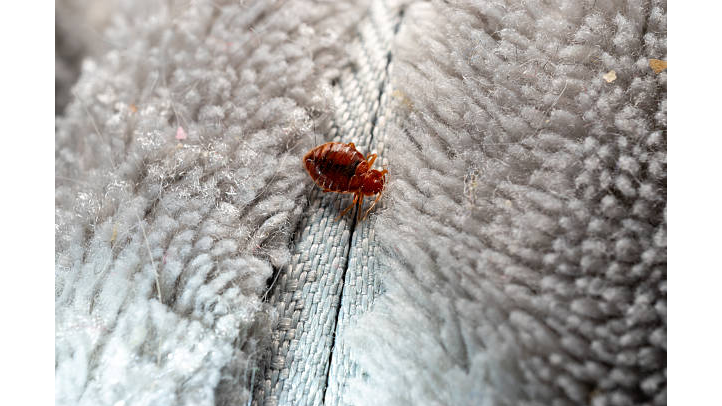
Discovering bed bugs in your home can feel overwhelming, but understanding the professional treatment process helps homeowners prepare for effective extermination. The bed bug control process follows proven steps that pest control experts have refined over years of experience dealing with these persistent pests.
The extermination process begins with a detailed inspection that determines the scope and severity of the infestation. Professional exterminators examine every room in the affected area, not just the bedrooms where bed bugs are initially discovered. This thorough assessment typically takes 30 minutes to 2 hours depending on property size and involves checking furniture, baseboards, electrical outlets, picture frames, and other potential hiding spots.
During the inspection, exterminators use specialized tools including flashlights, magnifying glasses, and detection devices to locate live bugs, shed skins, fecal spots, and egg casings. They also document the infestation level using a standardized scale that ranges from light (few bugs and minimal evidence) to heavy (widespread activity and visible damage). This documentation helps determine the most appropriate treatment strategy and provides a baseline for measuring treatment success.
You can expect the inspection report includes detailed maps showing infested areas, treatment recommendations, and cost estimates. Some professional companies even provide this initial inspection at no charge when homeowners schedule treatment services.
Experienced exterminators know that bed bugs follow predictable patterns when choosing hiding locations. These nocturnal pests prefer dark, protected areas close to their food source—sleeping humans. The identification process requires both visual inspection and knowledge of bed bug behavior patterns that have been documented through years of pest control research.
Live bed bugs provide the most definitive proof of infestation, but exterminators also look for secondary evidence that confirms active populations. Reddish-brown stains on bedding indicate bugs that were crushed during feeding, while dark spots of fecal matter appear as small black or brown dots on mattresses and furniture. Fresh blood spots on sheets often accompany these fecal stains.
Shed skins and egg shells reveal where bugs are molting and reproducing, typically found in cracks and crevices near sleeping areas. A distinctive musty, sweet odor becomes noticeable in heavily infested rooms where large populations have established themselves. Professional exterminators can detect this scent even when homeowners haven't noticed it yet.
Studies indicate that most bed bug infestations occur within 8 feet of sleeping areas, with the highest concentrations typically found 3-6 feet from beds. Exterminators systematically check mattress seams, box spring corners, bed frames, and headboards as primary hiding spots. These locations provide easy access to sleeping victims while offering protection during daylight hours.
Secondary hiding spots include upholstered furniture, curtains, electrical outlets, and baseboards near sleeping areas. Bed bugs also hide behind picture frames, inside alarm clocks, and within the folds of drapes or window treatments. In severe infestations, exterminators find bed bugs in locations further from beds, including closets, dressers, and even bathrooms adjacent to bedrooms.
Industry data shows that bed bug infestations are frequently misidentified as flea problems initially, with bed bugs correctly identified only a small percentage of the time during initial homeowner assessments. This misidentification occurs because bed bug bites resemble flea bites, and both pests can be found in sleeping areas. However, fleas typically infest areas where pets spend time, while bed bugs focus exclusively on human sleeping locations.
Carpet beetles, spider beetles, and bat bugs are frequently confused with bed bugs due to similar size and coloring. Professional exterminators use magnification tools to examine body shape, antennae length, and wing structure to make accurate identifications. Cockroach nymphs also cause confusion because they share the reddish-brown coloring of bed bugs, but differ significantly in body shape and behavior patterns.
Successful bed bug treatment depends heavily on proper preparation by homeowners before exterminators arrive. This preparation phase can require several days of intensive work depending on the home size and infestation severity, but significantly improves treatment effectiveness. Professional pest control companies provide detailed preparation checklists that must be completed for treatments to proceed as scheduled.
Remove all clutter from floors, beds, and furniture surfaces to provide exterminators with clear access to potential hiding spots. This includes books, magazines, decorative items, and personal belongings that could harbor bed bugs. Store these items in sealed plastic bags or containers until treatment is complete and items can be properly inspected.
Empty drawers, closets, and storage areas in infested rooms completely. Place clothing and linens in sealed bags for washing, while non-washable items should be stored in clear containers for easy inspection. Furniture should be moved away from walls to allow treatment of baseboards and behind large pieces that cannot be relocated easily.
All washable fabrics from infested areas must be washed in hot water at 140°F or higher and dried on high heat for at least 30 minutes or until completely dry. This heat treatment kills all life stages of bed bugs, including eggs that are resistant to many chemical treatments. Items that cannot withstand high heat should be dry cleaned or treated with alternative methods.
Place washed and dried items immediately into sealed plastic bags to prevent re-infestation during the treatment process. Label bags clearly with contents and keep them sealed until exterminators confirm that treatment is complete. Comforters, pillows, and heavy bedding require extended drying times to ensure heat penetrates fully throughout the material.
Vacuum all carpeted areas, upholstery, and fabric surfaces using strong suction to remove bugs, eggs, and debris. Pay special attention to carpet edges, furniture crevices, and areas where carpeting meets baseboards. The vibration from vacuuming also encourages bugs to emerge from hiding spots, making them more vulnerable to chemical treatments.
Immediately dispose of vacuum bags in sealed plastic containers or empty bagless canisters into sealed bags for disposal. Vacuum mattresses thoroughly, including all seams, corners, and the area underneath box springs. This mechanical removal significantly reduces bug populations before chemical treatment begins.
Professional exterminators employ multiple treatment methods simultaneously to achieve maximum effectiveness against bed bug infestations. The combination approach addresses different life stages of bed bugs and targets various hiding locations throughout the infested property. Treatment selection depends on infestation severity, room layout, and homeowner preferences regarding chemical applications.
EPA-approved residual insecticides form the foundation of most professional bed bug treatments. These liquid sprays are applied to cracks, crevices, and areas where bed bugs travel and hide. The chemicals remain effective for weeks after application, killing bugs that emerge from hiding or attempt to reestablish populations in treated areas.
Insecticidal dusts are applied to wall voids, electrical outlets, and other enclosed spaces where liquid sprays cannot reach effectively. These dusts have long-lasting properties and work by damaging the protective coating on bed bug exoskeletons, causing dehydration and death. Professional exterminators use specialized equipment to ensure even dust distribution in target areas.
Whole-room heat treatment raises air temperatures to 120-135°F for several hours, creating lethal conditions for all bed bug life stages. The core temperature of infested items must reach and maintain lethal levels for a sustained period. This method kills bugs and eggs without chemical residues, making it ideal for sensitive environments or when homeowners prefer non-chemical approaches. Professional heat treatment requires specialized equipment and careful monitoring to ensure even temperature distribution.
Portable heating chambers treat individual furniture pieces, luggage, and clothing that cannot withstand whole-room treatment. Heat treatment penetrates deeply into furniture and kills bugs hiding in areas that chemical sprays cannot reach. This method works quickly, often eliminating infestations in a single treatment session when properly applied.
Cryonite treatment uses frozen carbon dioxide delivered at -110°F at the nozzle to rapidly freeze and kill bed bugs on contact. This method works particularly well for treating electronics, delicate fabrics, and areas where moisture from traditional treatments could cause damage. The rapid freezing process destroys bed bug cell structures without leaving chemical residues.
Professional exterminators use Cryonite for spot treatments in sensitive areas like hospitals, schools, and homes with young children. The treatment leaves no residue and allows immediate re-occupancy of treated spaces. However, this method requires direct contact with bugs and may not reach deeply hidden populations without multiple applications.
IPM strategies combine multiple treatment methods with ongoing monitoring and prevention measures for long-term bed bug control. This approach includes chemical treatments, physical removal, habitat modification, and regular inspections to prevent re-infestation. Professional exterminators customize IPM programs based on each property's specific needs and risk factors.
The integrated approach also includes education for homeowners about bed bug prevention and early detection methods. This approach achieves higher success rates than single-method treatments while reducing the likelihood of future infestations. Regular monitoring allows for quick intervention if new bed bug activity is detected.
The bed bug treatment process extends well beyond the initial application, requiring careful monitoring and additional treatments to ensure complete elimination. Professional exterminators schedule systematic follow-up visits that target newly hatched bugs and monitor for signs of continued activity.
Bed bug eggs resist many chemical treatments and can survive initial applications, hatching 6-10 days after treatment. These newly emerged bugs must be eliminated before they reach reproductive maturity and restart the infestation cycle. Most professional treatments require 2-3 applications spaced 10-14 days apart to break this reproductive cycle completely.
Hidden populations in wall voids, electrical systems, or neighboring units may not be exposed to initial treatments. Follow-up treatments target these refugia populations as bugs emerge seeking food sources. The systematic approach ensures that all bed bug populations are eventually exposed to lethal treatments, regardless of their initial hiding locations.
Professional pest control companies often provide warranties on bed bug treatments with specific inspection schedules to monitor treatment effectiveness. Initial follow-up inspections typically occur 7-14 days after treatment, with additional visits scheduled based on the treatment plan and company protocols to ensure complete elimination.
Warranty coverage may include retreatment at no additional cost if live bed bugs are found during follow-up inspections. However, warranties require homeowners to maintain preparation standards and report new activity promptly. Some companies extend warranties for customers who follow all recommended prevention protocols.
Professional bed bug treatment costs typically range from $300-$2,500 depending on infestation severity, property size, and treatment methods selected. Single-room treatments typically cost less than whole-home applications, while heat treatment generally commands higher prices than chemical-only approaches.
Many professional companies offer detailed written estimates before beginning treatment. Payment plans and financing options help homeowners manage treatment costs while ensuring prompt professional intervention. The investment in professional treatment typically proves more cost-effective than repeated DIY attempts that fail to achieve complete elimination.
Service guarantees vary by company but may include retreatment warranties and satisfaction guarantees. These guarantees provide peace of mind and demonstrate the company's confidence in their treatment methods. Homeowners should carefully review warranty terms and understand their responsibilities for maintaining treatment effectiveness.
When choosing a pest control company, go for one that uses a systematic approach that includes thorough inspections, customized treatment plans, and extensive follow-up monitoring to ensure complete eradication of bed bug populations.
Integrated pest management achieves consistently high success rates by combining chemical treatments, heat therapy, and ongoing monitoring programs. Certified technicians will stay current with the latest EPA-approved methods and maintain extensive training in bed bug behavior and treatment protocols. This type of approach not only stops current infestations but also provides clients with prevention strategies to reduce the risk of future bed bug problems.


