Think gladiators lived brutal, meat-fueled lives of constant combat? Archaeological evidence reveals these ancient warriors fought as little as 2-3 times yearly on, surprisingly, vegetarian diets—and the reason for their plant-based meals is not what most would expect.
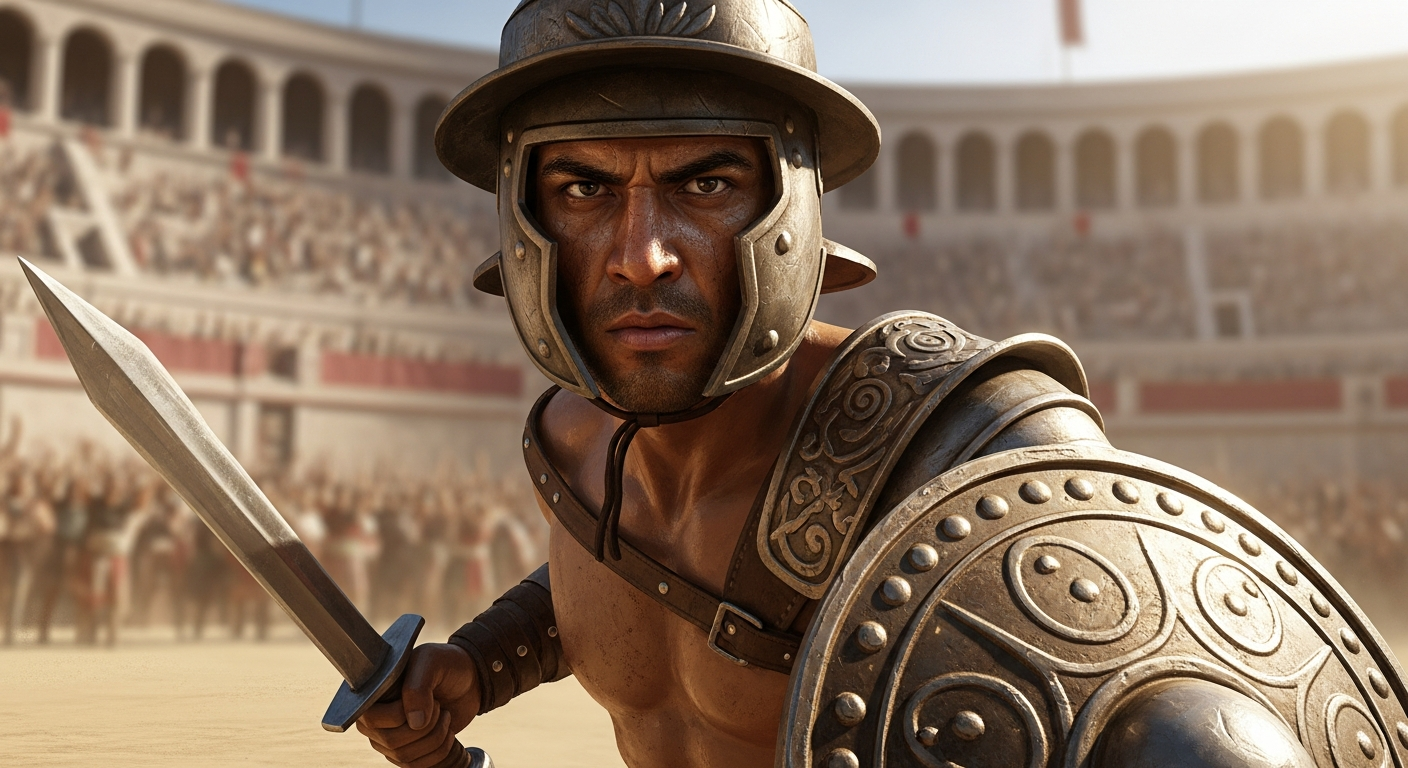
The roar of 50,000 to 80,000 spectators echoing through the Colosseum has captivated imaginations for centuries. Yet beyond the blood-soaked sand and theatrical combat, gladiators lived surprisingly complex daily lives that bore little resemblance to Hollywood's dramatic portrayals. These ancient warriors spent just a few days each year entertaining the masses, dedicating the remaining 360+ days to rigorous training, specialized nutrition, and navigating their paradoxical position as both celebrated heroes and social pariahs.
Contrary to popular belief, the best gladiators rarely stepped foot in the arena. Most professional fighters faced mortal combat only two or three times per year, making their brief appearances in the sand all the more precious to Roman audiences. Archaeological evidence from Ephesus reveals memorial stones for retired gladiators who died of natural causes, including one remarkable warrior who reached 99 years old.
This infrequent combat schedule meant gladiators spent the vast majority of their time preparing for those crucial moments when their lives hung in the balance. The gap between fights wasn't leisure time - it was an intense period of physical conditioning, weapons training, and psychological preparation that would determine whether they emerged victorious or became another casualty for the bloodthirsty crowds.
The journey to gladiatorial combat began through four distinct routes, each reflecting different aspects of Roman society's brutal pragmatism. Many gladiators were slaves, their fates sealed by circumstances beyond their control.
Roman military conquests regularly supplied fresh recruits for the arena. Captured warriors from Germanic tribes, Gaul, or Britain often possessed combat skills that made them immediately valuable to gladiator schools. These men had already proven their fighting ability on real battlefields, requiring less initial training than other recruits. Slaves who proved difficult to manage in domestic settings also found themselves sold to the ludus.
Roman courts sentenced criminals to the arena through legal pathways. These condemned men faced the possibility of death during their appearances, though some who fought skillfully enough could potentially impress the crowds and earn a chance at survival.
Perhaps most shocking to modern sensibilities, some Roman citizens voluntarily entered gladiatorial contracts. These "auctoratii" signed agreements, often motivated by crushing debts or lack of employment opportunities. Dishonorably discharged soldiers, already bearing the social stigma of "infamia," sometimes chose gladiatorial combat over destitution. The financial incentives offered by ludus owners provided immediate relief, though at an enormous personal cost.
Regardless of how they arrived, all gladiators took a terrifying oath of absolute submission. This solemn vow committed them to "endure being burned, bound, beaten, or killed by the sword" at their owner's discretion. Even free volunteers surrendered their personal autonomy and were bound to the ludus for the duration of their contracts, giving up all personal freedom in exchange for room, board, and training.
Gladiator schools operated as sophisticated training facilities designed to maximize both fighter skill and owner profit. These compounds featured housing for gladiators, central courtyards for group training, and specialized areas for different combat disciplines.
The lanista served as both head trainer and business manager of each gladiator troupe, known as a "familia gladiatoria." These men, often former gladiators themselves, occupied a unique position in Roman society - simultaneously essential to the entertainment industry yet branded with the social stigma of "infamia." Wealthy Roman businessmen typically owned the actual ludus facilities, hiring lanistas to manage day-to-day operations while they collected profits from renting out fighters for public games.
The economics were straightforward yet brutal: sponsors paid fixed fees for each gladiator based on skill level and experience. Whether a fighter won or lost, the ludus owner earned money on every match, creating a perverse incentive system that prioritized spectacle over human life.
Daily training sessions pushed gladiators to their physical limits using specialized wooden weapons called "rudis." These practice swords and shields were heavier than actual combat equipment, building exceptional strength and endurance that gave fighters crucial advantages in real battles. The intense regimen deformed bones and built muscle mass to levels that archaeologists can still identify in ancient skeletal remains.
Combat techniques were drilled until they became instinctive reflexes. Gladiators practiced specific attack patterns, defensive maneuvers, and counter-attacks tailored to their fighting style and likely opponents. A "tiro" (new gladiator) typically trained extensively before facing his first professional bout, learning not just combat skills but also how to work the crowd and maximize dramatic effect.
Roman gladiators pioneered a sophisticated training methodology that mirrors modern periodized fitness programs. The "Tetrad System" organized training into four-day cycles: preparation day, intense workout day, rest day, and skill refinement day. This systematic approach prevented overtraining while ensuring peak performance when gladiators entered the arena.
The cyclical training allowed for recovery and prevented burnout, crucial considerations given that these men needed to maintain fighting condition for years rather than single battles. The system's effectiveness is evidenced by the longevity some gladiators achieved - not just surviving multiple combats but remaining competitive throughout extended careers.
Archaeological analysis of gladiator remains has revealed surprising dietary habits that differed markedly from typical Roman nutrition. Rather than the meat-heavy meals associated with warriors, gladiators consumed predominantly plant-based diets carefully designed to optimize their bodies for arena survival.
While most Romans enjoyed wheat bread as their dietary staple, gladiators consumed large quantities of barley porridge supplemented with legumes, fruits, and vegetables. This carbohydrate-rich regimen served a specific tactical purpose: creating layers of subcutaneous fat that provided crucial protection during combat.
These fat deposits acted as natural armor, allowing superficial cuts to bleed impressively for crowd entertainment without causing serious injury to vital blood vessels or nerves. A spectacular-looking but ultimately minor wound could satisfy audiences' bloodlust while preserving the gladiator's fighting capacity for future bouts. The strategy balanced the Romans' desire for gore with the practical need to keep valuable fighters alive and profitable.
To compensate for the calcium deficit in their plant-based diet, gladiators consumed a unique beverage made from charred wood and bone ash. This calcium-rich drink ensured strong bones capable of withstanding the tremendous impacts of gladiatorial combat. Modern analysis confirms that gladiator skeletons show evidence of robust bone density despite their primarily vegetarian nutrition.
The ash mixture provided calcium essential for bone strength and healing from intense training sessions. This specialized supplementation demonstrates the sophisticated understanding Roman trainers had developed about optimizing human performance for specific athletic demands.
Gladiators occupied a fascinating paradox within Roman society - simultaneously celebrated as heroes and legally classified among the lowest social strata. This contradictory status shaped every aspect of their existence both inside and outside the arena.
Roman law classified gladiators as "infamis," a legal designation that stripped them of fundamental citizenship rights. They couldn't vote, hold public office, or testify in court proceedings. Gladiators often lost the right to a proper burial and were interred in specialized cemeteries alongside other social outcasts.
This legal stigma persisted for voluntary gladiators who had been free citizens before signing their contracts. The act of selling one's body for entertainment placed them outside respectable society, regardless of their courage or skill in the arena.
Despite their legal status, some gladiators found employment opportunities outside the arena. Their reputation for combat skills made them valuable in Rome's often brutal commercial environment, though the specific nature and extent of such work varied.
The evidence suggests that gladiatorial life, while brutal, wasn't entirely incompatible with normal human relationships. Some fighters married and raised children, finding ways to create meaningful connections even within the violent world of the arena. Archaeological excavations at sites like Ephesus continue to provide new insights into how these ancient warriors balanced their public roles as entertainers with their private desires for family and community.
The complex reality of gladiatorial life reveals ancient Rome's sophisticated understanding of entertainment, athletics, and human psychology. These weren't simple brutes fighting for survival - they were highly trained professionals operating within elaborate social and economic systems that sustained one of history's most enduring spectacles.
What would it be like to live in the gladiatorial world? Their paradoxical status as both heroes and outcasts reflects the deep contradictions within Roman society itself - a civilization capable of remarkable achievements built upon foundations of slavery and violence.


