Most athletes use hot tubs and cold plunges interchangeably—a costly mistake. These opposing vascular systems trigger completely different recovery responses, and using the wrong one at the wrong time can actually slow your progress. The science reveals a strategic approach few understand.
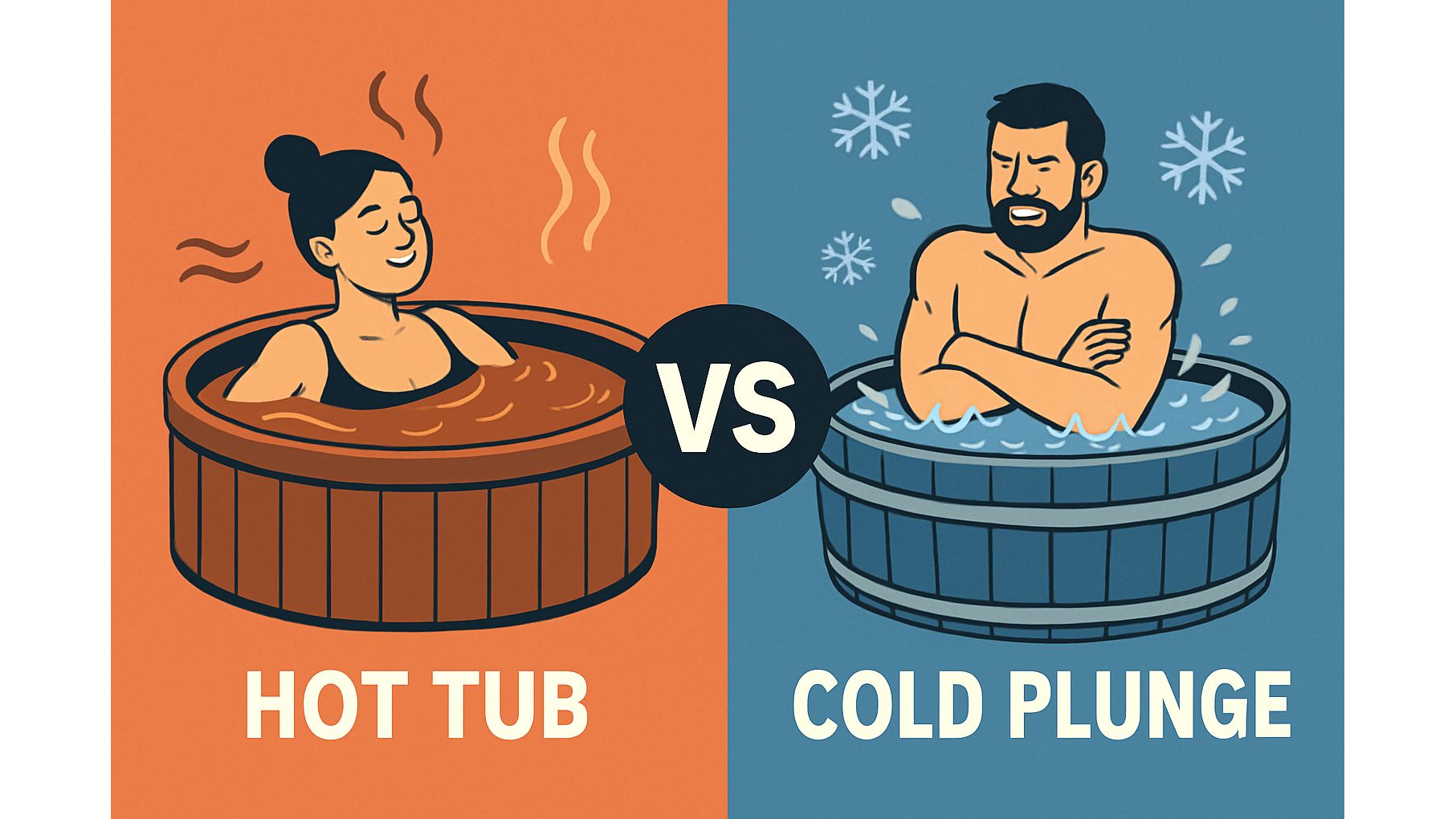
Most athletes treat hot tubs and cold plunges as interchangeable recovery tools, missing the fundamental truth that these are opposite physiological systems designed for entirely different purposes. Understanding how vasodilation and vasoconstriction work - and when to use each - separates effective recovery protocols from expensive water therapy.
The difference between hot tubs and cold plunges extends far beyond temperature preference. These recovery modalities trigger opposing vascular responses that create distinct physiological outcomes. Hot water immersion causes vasodilation - the widening of blood vessels that increases circulation and promotes nutrient delivery to working muscles. Cold water immersion triggers vasoconstriction - the narrowing of blood vessels that reduces inflammation and initiates powerful neurochemical responses.
This fundamental distinction explains why professional athletes don't randomly choose between hot and cold therapy. Each method serves specific recovery windows and training goals. The vasodilation response from heat therapy supports deep tissue recovery and muscle relaxation, while the vasoconstriction from cold exposure controls acute inflammation and enhances mental performance.
Research from sports medicine demonstrates that understanding these mechanisms allows athletes to strategically time their recovery interventions. Collective Relaxation's analysis reveals how these opposing systems can work synergistically when properly sequenced, creating recovery outcomes that exceed what either method delivers independently.
Heat therapy operates through the systematic dilation of blood vessels throughout the body. When core temperature rises during hot tub immersion, the cardiovascular system responds by opening peripheral blood vessels to dissipate heat. This vasodilation response increases blood flow to muscles and connective tissues, delivering oxygen and nutrients while removing metabolic waste products that accumulate during training.
The vasodilation process begins within minutes of heat exposure as smooth muscle cells in blood vessel walls relax. This relaxation allows vessels to expand, reducing vascular resistance and enabling greater blood flow volumes. Enhanced circulation delivers crucial recovery nutrients including amino acids for protein synthesis, glucose for glycogen replenishment, and oxygen for cellular repair processes. The increased blood flow also accelerates the removal of lactate, creatine kinase, and other metabolic byproducts that contribute to muscle soreness and fatigue.
Heat penetration from hot water immersion reduces muscle tension through multiple pathways. Elevated tissue temperature decreases the viscosity of synovial fluid in joints, improving mobility and reducing stiffness. The heat also promotes muscle fiber relaxation at the cellular level. Hydrotherapy jets in quality hot tubs provide mechanical massage that works synergistically with heat to help alleviate myofascial adhesions and trigger points that passive stretching may not address as effectively.
Research establishes specific temperature ranges for therapeutic effectiveness within the 100-104°F range. Water temperatures between 98-100°F provide gentle vasodilation suitable for daily use and sensitive individuals. The 100-102°F range delivers moderate muscle relaxation and improved circulation ideal for post-workout recovery. Temperatures of 102-104°F create deep tissue warmth and parasympathetic nervous system activation, maximizing stress relief and preparing the body for restorative sleep.
Cold water immersion triggers immediate vasoconstriction as the body redirects blood flow away from extremities toward vital organs. This protective response significantly reduces blood flow to inflamed tissues, limiting the inflammatory cascade that contributes to delayed onset muscle soreness. The vasoconstriction effect continues for several minutes after exiting cold water, providing sustained anti-inflammatory benefits.
Cold exposure activates the sympathetic nervous system, causing rapid constriction of peripheral blood vessels. This vasoconstriction response serves multiple recovery functions: reducing tissue metabolism and oxygen demand, limiting inflammatory cell migration to damaged tissues, and decreasing pain signal transmission. When individuals exit cold water, reactive vasodilation occurs as blood vessels rapidly expand, creating a powerful flushing effect that removes accumulated metabolic waste while delivering fresh nutrients to recovering tissues.
Cold water immersion stimulates significant neurotransmitter release that extends beyond the immediate session. Studies demonstrate that cold exposure increases dopamine and norepinephrine levels substantially. These neurochemical changes enhance mood, focus, and stress resilience for several hours after the cold exposure ends. The sustained dopamine elevation provides natural motivation and mental clarity without the crash associated with stimulants like caffeine.
Cold plunge timing significantly impacts recovery outcomes. Cold exposure immediately after exercise can effectively reduce inflammation and muscle damage markers, making it beneficial after high-intensity training or competition. Morning cold plunges enhance the cognitive and mood benefits of neurotransmitter release for several hours. However, cold exposure within two hours of strength training may interfere with muscle protein synthesis pathways necessary for hypertrophy, requiring careful timing for athletes focused on muscle growth.
The opposing mechanisms of vasodilation and vasoconstriction create distinct limitations for each recovery modality. Hot tub therapy's strength in promoting relaxation and tissue flexibility becomes a weakness when acute inflammation control is needed. Cold plunge therapy's effectiveness at reducing swelling and pain sensation fails to address chronic muscle tension and joint stiffness that respond better to heat application.
The immediate post-exercise period presents different recovery needs that favor specific thermal interventions. Cold water immersion within 30 minutes of intense training effectively limits the inflammatory response and reduces exercise-induced muscle damage. The vasoconstriction response prevents excessive swelling while the neurochemical effects enhance recovery motivation. Conversely, heat therapy applied during this acute window may increase blood flow to damaged tissues, which could potentially affect the recovery process.
Acute inflammatory conditions respond optimally to vasoconstriction from cold therapy, which limits inflammatory cell migration and reduces tissue swelling. Fresh injuries, post-competition soreness, and exercise-induced inflammation all benefit from the vessel-narrowing effects of cold exposure. Chronic pain conditions including arthritis, fibromyalgia, and persistent muscle tension respond better to the vasodilation effects of heat therapy, which improves circulation to chronically tight tissues and promotes relaxation of overactive muscle fibers.
Contrast therapy combines the opposing vascular responses of hot and cold exposure to create a "pumping" effect that enhances circulation beyond what either modality achieves independently. The alternating vasodilation and vasoconstriction forces blood vessels through repeated expansion and contraction cycles, accelerating metabolic waste removal while improving nutrient delivery to recovering tissues.
The contrast therapy heat phase begins with 3-4 minutes in 102-104°F water to achieve vasodilation and tissue warming. This duration allows for blood vessel dilation throughout the body. The heat phase prepares tissues for the subsequent cold exposure while maximizing the vascular contrast effect. Proper hydration during this phase prevents overheating and maintains blood volume for optimal circulation benefits.
The cold phase involves 2-3 minutes of immersion in 50-59°F water to trigger vasoconstriction. This timing provides sufficient cold stimulus to activate the sympathetic nervous system and neurotransmitter release while avoiding excessive physiological stress. Controlled breathing during cold exposure maintains parasympathetic balance and prevents hyperventilation that can reduce the therapy's effectiveness.
Repeating the hot-cold cycle 2-3 times amplifies the vascular pumping effect through progressive conditioning of blood vessel responsiveness. Each cycle increases the efficiency of vasodilation and vasoconstriction responses, creating more pronounced circulation benefits. The repeated thermal stress also enhances heat shock protein production and cold adaptation mechanisms that support long-term recovery capacity.
Ending contrast therapy sessions with cold exposure maintains the vasoconstriction response and maximizes neurotransmitter release. The cold finish prevents reactive hyperthermia while preserving the dopamine and norepinephrine elevation that supports mood and cognitive function. This protocol structure delivers both immediate recovery benefits and sustained neurochemical enhancement for hours after the session.
Scientific research provides specific guidelines for optimizing hot and cold therapy timing based on training goals and recovery needs. These evidence-based protocols help athletes maximize the physiological benefits of each modality while avoiding interventions that could impair adaptation or performance outcomes.
Morning cold exposure protocols emphasize neurotransmitter activation and cognitive enhancement. A 3-5 minute cold plunge at 50-55°F upon waking increases dopamine and norepinephrine levels that enhance alertness and focus for several hours. Evening hot tub sessions focus on parasympathetic activation and sleep preparation through 15-20 minutes at 102-104°F, timed 60-90 minutes before bedtime to allow core temperature cooling that facilitates sleep onset.
Strength athletes should delay cold exposure for 2-4 hours post-training to preserve anabolic signaling pathways, particularly mTOR activation necessary for muscle protein synthesis. During this window, gentle heat therapy supports circulation. Endurance athletes benefit from cold exposure post-training to control inflammation, with optimal protocols involving 3-5 minutes at 50-59°F within 30 minutes of training completion.
The integration of vasodilation and vasoconstriction responses through contrast therapy creates synergistic recovery benefits that exceed the sum of individual hot and cold applications. Research demonstrates that alternating thermal stress improves circulation efficiency, enhances metabolic waste clearance, and provides both immediate recovery benefits and long-term physiological adaptations. Professional athletes who incorporate structured contrast therapy protocols report faster recovery times and improved training capacity compared to single-modality approaches.
The evidence clearly demonstrates that understanding vasodilation versus vasoconstriction mechanisms allows athletes to strategically optimize their recovery protocols rather than randomly applying thermal stress. By timing hot and cold exposures according to specific training goals and recovery windows, athletes can harness these opposing physiological systems for maximum performance enhancement.


