Your moisturizer, shampoo, and makeup might contain more than you bargained for. Here’s how to spot the most common harmful ingredients — and what to reach for instead.
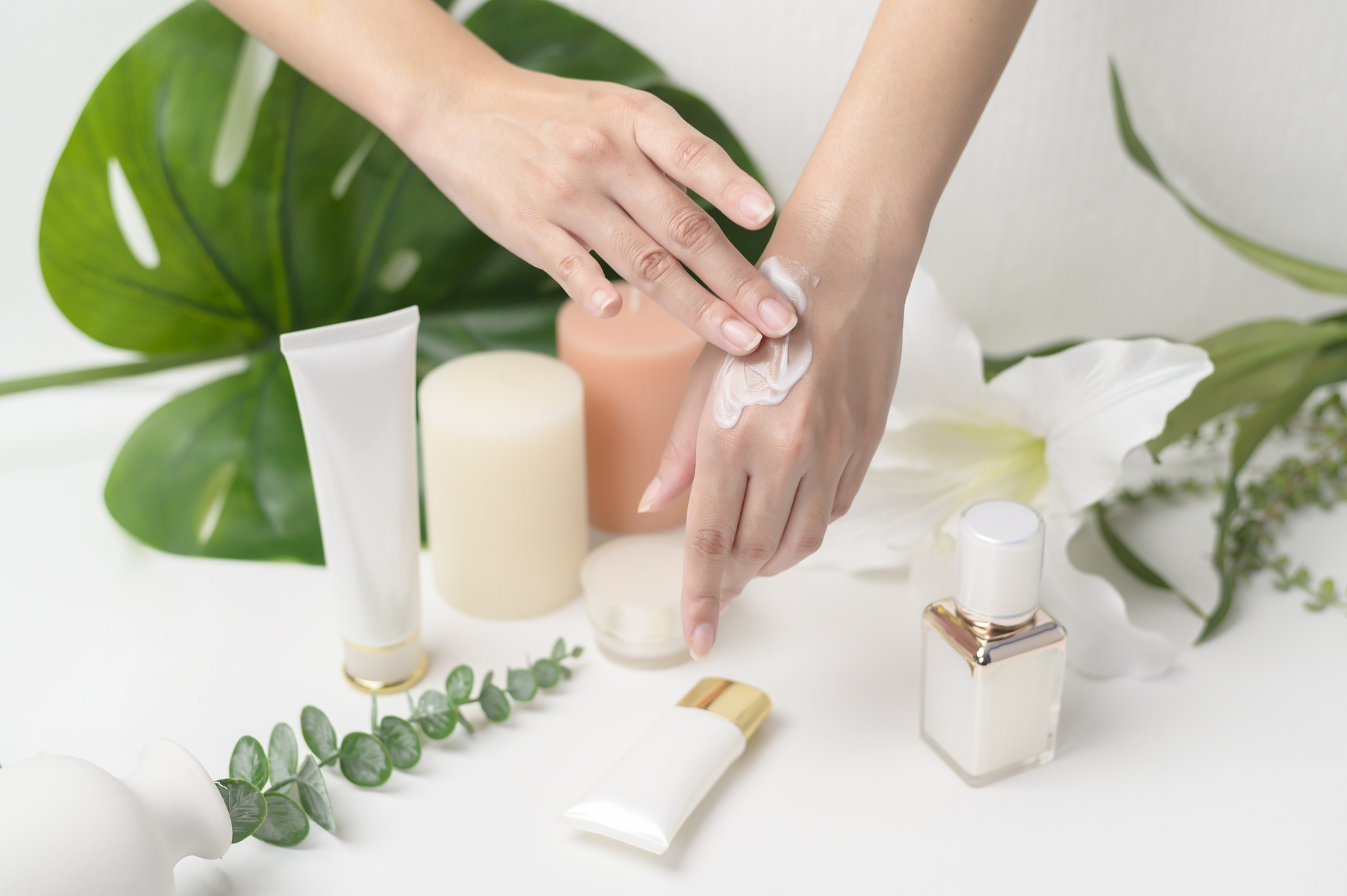
Most people use multiple personal care products each day, from shampoo and deodorant to lotion and makeup, and together these products can contain dozens—or even hundreds—of different chemical ingredients. While not every synthetic ingredient is harmful, some substances appear repeatedly on safety watchlists due to potential health concerns, which has led many health-conscious consumers to start paying closer attention to what goes into the products they use.
In many cases, cosmetic ingredients serve practical purposes. Preservatives help prevent bacteria and mold from growing in water-based products, surfactants allow cleansers to foam and lift away dirt, and fragrance compounds give lotions and perfumes their distinctive scent. These functions are important for product performance and shelf life, but certain chemicals associated with these roles have raised questions among researchers and consumer safety groups.
Education is the key to safety when it comes to cosmetics. For individuals who value wellness and transparency, understanding a few of the most commonly discussed ingredients is an important step toward making more informed choices. Dr. Yuval Bibi, a board-certified dermatologist based in Boca Raton, explains which ingredients to avoid and which safe natural alternatives you can choose instead.
Parabens are preservatives that appear in many cosmetic products because they prevent the growth of bacteria, mold, and yeast. They help extend the shelf life of lotions, shampoos, and makeup, which is one reason they became so widely used across the industry.
The concern surrounding parabens comes from the way they interact with the body’s hormonal system. Research suggests that these chemicals can mimic estrogen, a hormone that regulates many biological processes, and this estrogen-like behavior has prompted scientists to study whether long-term exposure might contribute to hormone disruption.
Some laboratory studies have also found that parabens can influence the growth of certain breast tumor cells, which has led many consumers to avoid ingredients such as butylparaben, propylparaben, and methylparaben when reading cosmetic labels.
Phthalates are another group of chemicals frequently used in cosmetics, particularly to stabilize fragrances or improve the flexibility and texture of certain formulations. They are commonly found in products such as perfumes, hair sprays, nail polish, and lotions.
One challenge with phthalates is that they may not always appear clearly on ingredient lists, because they are often included under the broader term “fragrance,” which can represent a mixture of many undisclosed chemicals. This labeling practice makes it difficult for consumers to know exactly what compounds are present in a product.
Scientific studies have raised concerns that some phthalates can disrupt hormonal systems and interfere with reproductive development. For example, research examining prenatal exposure has linked certain phthalates to developmental changes in male infants, which has led many shoppers to look specifically for products labeled “phthalate-free.”
Some cosmetic preservatives work by slowly releasing small amounts of formaldehyde over time, which helps prevent microbial growth in products that might otherwise spoil quickly. Ingredients such as DMDM hydantoin, quaternium-15, and imidazolidinyl urea fall into this category.
Formaldehyde itself is widely recognized as a strong irritant that can trigger allergic reactions in some people, especially those with sensitive skin. At higher levels of exposure, it has also been classified as a human carcinogen, which explains why its presence in personal care products receives scrutiny.
Although the amounts released by cosmetic preservatives are typically small, repeated exposure through everyday products like shampoos, conditioners, and liquid soaps can still cause irritation for certain individuals.
Fragrance might seem like a simple ingredient, but in reality, it can be one of the least transparent components listed on a cosmetic label. Instead of identifying each chemical used in a scent blend, manufacturers are often allowed to group them under the single word “fragrance” or “parfum.”
In practice, that label can represent dozens of individual compounds. Some of these substances have been associated with allergic reactions, headaches, or hormone-disrupting effects, but because the exact mixture is usually treated as a trade secret, consumers rarely know precisely what they are applying to their skin.
For people who prefer greater transparency, fragrance-free products or those scented with essential oils are often considered a simpler alternative.
Sodium laureth sulfate, often abbreviated as SLES, is a surfactant used in many shampoos and cleansers because it creates the rich foam that people often associate with effective cleaning. Surfactants like SLES help water mix with oil and dirt so that they can be rinsed away more easily.
Although the ingredient itself performs this role well, concerns sometimes arise from a manufacturing by-product known as 1,4-dioxane. This compound can form during the processing of certain surfactants and has been identified by regulators as a potential carcinogen.
Manufacturers can remove this contaminant through additional purification steps, but because those steps are not always required, some consumers prefer to choose sulfate-free cleansers instead.
For health-conscious shoppers, one of the simplest ways to reduce exposure to questionable chemicals is to focus on products made with fewer ingredients and recognizable plant-based components. Many natural oils and butters provide nourishment, hydration, and protective benefits without relying on complex synthetic additives.
Three ingredients in particular—shea butter, cocoa butter, and argan oil—have become staples in natural skincare because of the way they support healthy, well-hydrated skin.
Shea butter is derived from the nuts of the shea tree, which grows primarily in West Africa, and it has been used for centuries as a natural moisturizer and skin protectant. The butter contains a rich blend of fatty acids along with vitamins A and E, both of which help nourish the skin while supporting its natural barrier.
Its thick texture allows it to create a protective layer that locks in moisture, making it especially helpful for dry or sensitive skin. Shea butter also contains naturally occurring anti-inflammatory compounds, which can help calm irritation and explain why the ingredient appears so often in body lotions, lip balms, and restorative creams.
Cocoa butter is extracted from cocoa beans—the same plant used to make chocolate—and in skincare it is valued for its deep moisturizing qualities and smooth texture. Because the butter melts at body temperature, it spreads easily across the skin and absorbs gradually, helping soften rough or dry areas.
This natural fat is also rich in antioxidants, which help protect the skin from environmental stressors such as pollution and sun exposure. For that reason, cocoa butter is frequently used in creams designed to support skin elasticity and maintain long-lasting hydration.
Argan oil comes from the kernels of the argan tree native to Morocco and is sometimes referred to as “liquid gold” because of its versatility in both skincare and haircare products. The oil is naturally high in vitamin E, essential fatty acids, and antioxidants, all of which help moisturize the skin while improving its overall texture.
Compared with many heavier oils, argan oil has a relatively lightweight feel and absorbs quickly, which makes it suitable for a wide variety of skin types. It hydrates without leaving a heavy residue, and this balance explains why it appears in facial oils, serums, moisturizers, and hair treatments.
For people who care about health, wellness, and sustainability, ingredient awareness can be a powerful tool. Reading labels, researching unfamiliar chemicals, and choosing simpler formulations all help reduce unnecessary exposure to substances that may raise concern.
The cosmetics industry is gradually evolving as more consumers ask for safer and more transparent products. Many brands now offer formulas built around plant-based ingredients and fewer synthetic additives, which makes it easier than ever to find options aligned with those values.
A skincare routine does not have to be perfect to be thoughtful. By avoiding certain chemicals and choosing nourishing ingredients such as shea butter, cocoa butter, and argan oil, consumers can move toward a beauty routine that supports both healthy skin and greater peace of mind.


