Experiencing post-spironolactone hair shedding? This temporary issue typically resolves within 2-4 months as your hormones rebalance. Support regrowth with biotin, zinc supplements, and gentle hair care while your body adjusts—or try hormone-free alternatives for natural hair recovery.
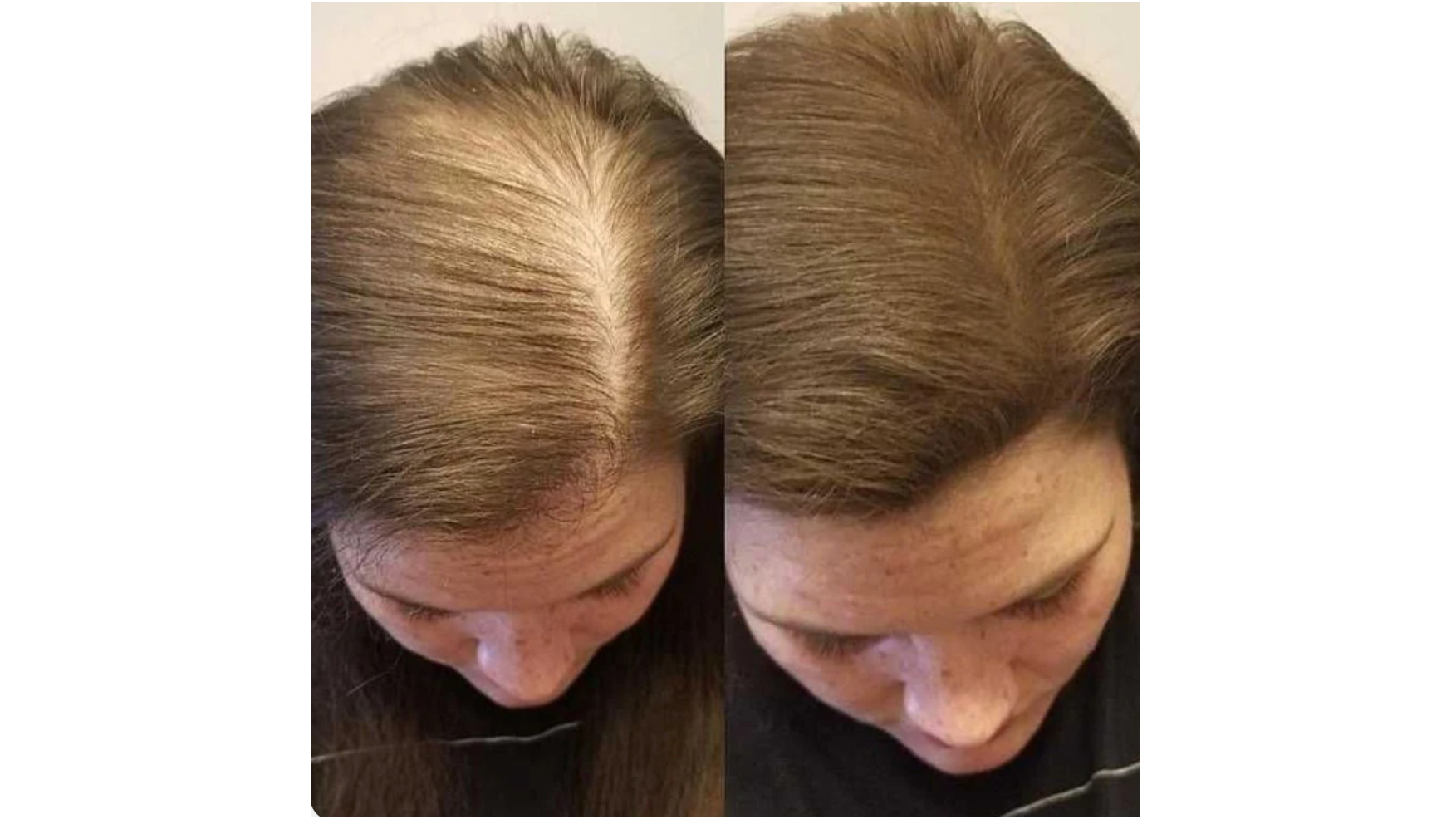
Noticing more hair in your brush after discontinuing spironolactone can be alarming, but understanding why it happens can ease your concerns.
Spironolactone works by blocking androgen receptors in your body. These androgens, including testosterone and dihydrotestosterone (DHT), can trigger hair thinning in people with hormone sensitivity. When you take spironolactone, it shields your hair follicles from these hormones' effects, often resulting in thicker, healthier hair growth patterns.
When you stop taking this medication, those protective effects gradually diminish. Your body begins readjusting to its natural hormone levels, which can temporarily disrupt your hair growth cycle. This adjustment period typically triggers what dermatologists call telogen effluvium – a temporary increase in shedding.
During this transition, more hair follicles than usual enter the resting (telogen) phase simultaneously instead of cycling naturally. These resting hairs eventually shed, creating the noticeable increase in hair loss that can cause concern.
The good news? This increased shedding is almost always temporary. Most people find their hair shedding stabilizes within 2-4 months as hormone levels rebalance and hair follicles adjust to the new normal.
Androgens regulate hair growth cycles. While necessary for overall health, these hormones can cause problems when they interact with sensitive hair follicles, particularly in those genetically predisposed to hair thinning.
Testosterone converts to dihydrotestosterone (DHT) via an enzyme called 5-alpha-reductase. DHT is the primary culprit in androgenic hair loss, as it binds to receptors in hair follicles and gradually shrinks them. This miniaturization process leads to shorter growth cycles and thinner, weaker hair strands that eventually stop growing altogether.
Spironolactone works by competitively blocking these androgen receptors, preventing DHT from binding and exerting its miniaturizing effects. When you discontinue the medication, these receptors become available again, allowing DHT to resume its influence on vulnerable follicles.
The hair growth cycle consists of three main phases: anagen (growth), catagen (transition), and telogen (resting). Normally, about 85-90% of your hair is in the growth phase at any given time, with only 10-15% in the resting phase.
When you experience a significant hormonal shift, such as stopping spironolactone, your body can react by pushing more hair follicles into the telogen phase prematurely. This condition, called telogen effluvium, results in noticeable shedding approximately 2-3 months after the triggering event.
Unlike permanent hair loss conditions, telogen effluvium is temporary. Once your body adjusts to the new hormonal balance, hair follicles should resume their normal cycling pattern, and shedding should return to normal levels.
It's important to distinguish between the temporary shedding caused by stopping spironolactone and permanent hair loss. The increased shedding you're experiencing is almost certainly temporary, as the hair follicles themselves remain healthy and capable of producing new hair.
In most cases, hair density returns to baseline within 4-6 months after discontinuing spironolactone. However, if you were taking spironolactone specifically to treat androgenetic alopecia (female pattern hair loss), you might notice that your hair gradually returns to its pre-treatment state over time.
During the first 4-6 weeks after stopping spironolactone, you may notice a gradual increase in hair shedding. This typically begins subtly and increases over time as more hair follicles enter the telogen phase. You might see more hair in your brush, on your pillow, or in the shower drain.
This initial phase can be concerning, but remember that it's a normal response to the hormonal readjustment your body is undergoing. Continuing gentle hair care practices during this time is essential to avoid additional stress on your hair.
By the second and third months, shedding often reaches its peak before beginning to stabilize. During this time, you might notice thinning across your scalp, particularly in hormone-sensitive areas like the crown and temple regions.
While this can be distressing, it's also when your body is actively working to reestablish its natural hormonal balance. Maintaining a healthy diet rich in hair-supporting nutrients becomes particularly important during this phase to support new growth.
As you approach the 4-6 month mark, most people begin to see signs of improvement. Shedding typically decreases noticeably, and you may observe new hair growth in the form of short, fine hairs along the hairline and crown.
These baby hairs indicate that your follicles are entering a new growth cycle. Over time, these hairs will mature into terminal hairs with normal thickness and length, gradually restoring your hair's overall density.
While post-spironolactone shedding is usually temporary, certain situations warrant medical attention. Contact your healthcare provider if:
A dermatologist or trichologist can help determine if other factors might be contributing to your hair loss and recommend appropriate interventions.
If you haven't yet stopped spironolactone but are planning to, a gradual reduction can significantly reduce the shock to your system and minimize subsequent shedding. Rather than stopping completely at once, work with your healthcare provider to develop a gradual reduction plan over several weeks or months.
This measured approach gives your body time to adjust to changing hormone levels gradually, potentially reducing the number of hair follicles that enter the telogen phase simultaneously. Your doctor might suggest reducing your dosage by 25-50mg increments every 2-4 weeks, depending on your current dosage and individual needs.
For those who have already stopped the medication abruptly and are experiencing shedding, focus on the other strategies below to support your hair through this transition period.
Your hair's health directly reflects your overall nutritional status. During periods of increased shedding, ensuring your body has all the building blocks needed for healthy hair becomes even more critical.
Focus on including these hair-supporting nutrients in your daily diet:
Dramatic dietary changes or severe caloric restriction can themselves trigger hair shedding, so aim for balanced, sustainable nutrition rather than extreme diets.
When your hair is already shedding, minimizing additional stress through proper hair care becomes essential:
These practices won't stop hormonal shedding, but they can prevent additional hair loss from breakage and mechanical damage.
Stress itself can trigger or worsen hair shedding through several physiological pathways. The anxiety that comes with noticing increased hair loss can create a cycle of stress that potentially prolongs the problem.
Adding these techniques into your daily routine may help moderate this effect:
Stress reduction isn't just good for your hair—it benefits your overall health and well-being.
Biotin (vitamin B7) is perhaps the most well-known supplement for hair health. It plays a key role in keratin production, the protein that makes up your hair. While biotin deficiency is rare, supplementation may support healthier hair growth, especially during recovery from telogen effluvium.
Most hair-focused supplements contain 2,500-5,000 mcg of biotin daily. While these doses are generally considered safe for most people, always check with your healthcare provider before starting any supplement regimen, especially if you take other medications.
Extremely high biotin doses can interfere with certain lab tests, so inform your doctor if you're taking biotin supplements before having bloodwork done.
Zinc plays a vital role in tissue growth and repair, including hair tissue. It's also involved in hormone regulation and protein synthesis—both critical factors in maintaining healthy hair growth cycles.
Foods rich in zinc include oysters, beef, pumpkin seeds, and lentils. If supplementing, most hair health formulas contain 15-30 mg of zinc. Higher doses should only be taken under medical supervision, as excessive zinc can interfere with copper absorption and cause other imbalances.
Iron deficiency is one of the most common nutritional causes of hair shedding, particularly in menstruating women. Iron is essential for producing hemoglobin, which carries oxygen to your tissues, including hair follicles.
If you're experiencing significant hair shedding, ask your doctor about checking your ferritin levels (a measure of iron stores), even if your hemoglobin is normal. Many practitioners recommend maintaining ferritin levels above 50-70 ng/mL for optimal hair growth.
Iron-rich foods include red meat, spinach, beans, and fortified cereals. If supplementation is necessary, your doctor can recommend an appropriate form and dosage based on your specific needs.
Omega-3 fatty acids support hair health through their anti-inflammatory properties and by nourishing hair follicles. They can help maintain scalp health and potentially reduce follicle inflammation that may contribute to hair shedding.
Fatty fish like salmon, mackerel, and sardines are excellent natural sources. Plant-based options include flaxseeds, chia seeds, and walnuts. Supplement doses typically range from 1,000-2,000 mg daily of combined EPA and DHA, the active forms of omega-3s.
Several topical treatments have shown effectiveness in supporting hair growth and can be particularly helpful during the recovery period after stopping spironolactone:
Minoxidil (2% or 5%): Available over the counter, minoxidil is FDA-approved for hair regrowth in both men and women. It works by extending the growth phase of hair follicles and increasing blood flow to the scalp. Regular application (typically twice daily) is necessary for best results, and benefits may take 3-6 months to become visible.
Ketoconazole shampoo: Originally developed as an antifungal treatment, ketoconazole has shown anti-androgenic properties when applied topically. Using a ketoconazole shampoo 2-3 times weekly may help manage hormonal shedding.
Caffeine solutions: Recent research suggests that topical caffeine can counteract the effects of DHT on hair follicles. Several hair care products now incorporate caffeine as an active ingredient to support hair growth.
Several natural oils have traditional use in supporting hair health and may complement other treatment approaches:
Rosemary oil: Studies have compared rosemary oil favorably to 2% minoxidil for hair growth. Its circulation-boosting and anti-inflammatory properties make it popular for scalp health. Dilute with a carrier oil before applying directly to the scalp.
Castor oil: Rich in ricinoleic acid, castor oil has anti-inflammatory properties and may help with scalp circulation. While scientific evidence is limited, its traditional use for hair growth spans generations. Apply to the scalp 1-2 times weekly, leaving it on for at least 30 minutes before washing.
Peppermint oil: Research suggests peppermint oil may stimulate hair growth through increased circulation and follicle stimulation. Always dilute with a carrier oil to prevent irritation.
If your hair hasn't shown signs of recovery after 6 months of implementing the strategies above, it may be time to consider other options with your healthcare provider. This is particularly important if your hair loss was primarily related to an underlying condition like female pattern hair loss rather than simply the withdrawal of spironolactone.
Alternative treatments might include prescription medications, platelet-rich plasma (PRP) therapy, low-level laser therapy, or others depending on your specific situation and medical history.
Hair growth takes time, and consistency with any treatment approach is key to seeing results. Work closely with healthcare providers who specialize in hair disorders to develop a personalized plan that addresses your unique needs.
Trybello's Hair Helper Spray combines scientifically-backed ingredients like biotin, caffeine, and castor oil to support healthy hair growth naturally. Its hormone-free formula makes it an ideal companion when transitioning off hormone-based treatments like spironolactone.


