Most people don’t realize PRP hair restoration isn’t a one-time treatment—but how many sessions do you actually need before seeing results? The answer depends on factors most clinics won’t explain upfront, and the timeline might surprise you.
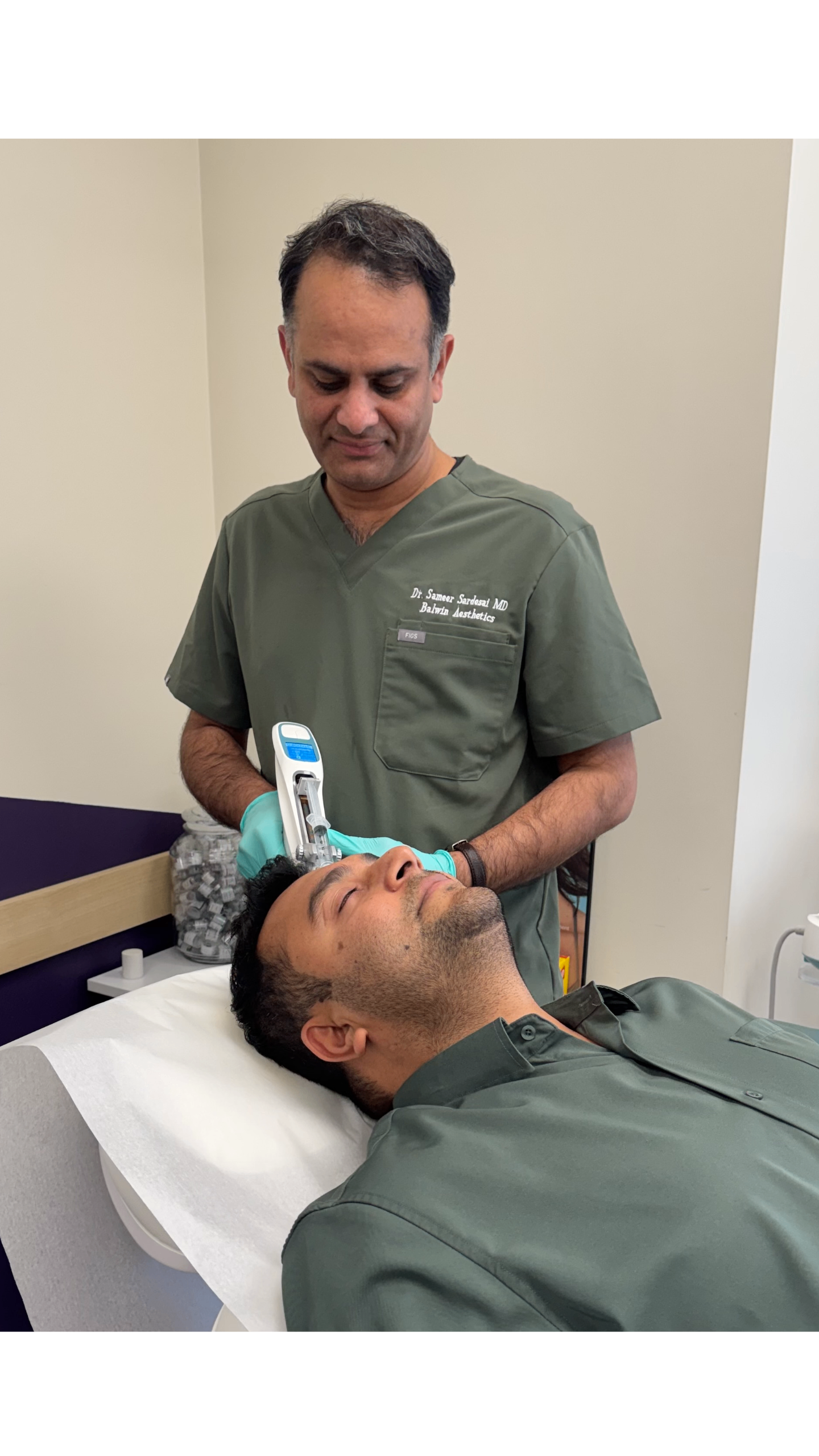
If hair thinning has been on the mind lately, chances are PRP therapy has come up in the research. It's one of the most talked-about non-surgical hair restoration options right now — and for good reason. But one of the biggest questions people have before committing isn't whether it works. It's how many times you have to go in. The answer isn't a single number, but understanding what shapes the schedule makes everything clearer.
Platelet-Rich Plasma (PRP) therapy for hair loss isn't a one-and-done treatment. The majority of patients go through an initial series of 3 to 4 sessions before noticing meaningful changes in hair thickness and density. Some protocols — particularly for more advanced thinning — extend that to 4 to 6 sessions before the initial phase is considered complete.
This isn't a sign the treatment is slow or ineffective. It reflects how biological regeneration actually works. Hair follicles respond to repeated stimulation over time, and a single injection doesn't provide the sustained signaling environment that produces lasting growth. Think of it less like flipping a switch and more like watering a plant — consistency matters more than intensity.
The sessions themselves are relatively quick. A typical PRP treatment at a hair restoration clinic runs about 45 minutes to an hour, from blood draw to injection, with no required downtime afterward.
The process starts with a small blood draw — similar to a routine lab test. That sample goes into a centrifuge, which spins it at high speed to separate and concentrate the platelets from the other blood components. What comes out is a plasma solution rich in growth factors: proteins that signal cells to repair, regenerate, and multiply.
When injected into the scalp at the level of the hair follicles, those growth factors get to work. They activate stem cells in the follicle, improve blood supply to the area, and push follicles that have miniaturized — or partially shut down — back toward an active growth phase. Because the treatment uses the patient's own blood, the risk of allergic reaction or rejection is essentially zero. It's one of the safest regenerative options available for hair loss.
A single PRP session delivers a concentrated burst of growth factors, but that signal fades over time. The follicle environment needs repeated reinforcement to shift from a cycle of thinning toward sustained regrowth. Each subsequent session builds on the last — deepening the biological response, extending the active growth phase, and recruiting more follicles into the process.
This is why spacing matters just as much as the number of sessions. Going too long between appointments allows the initial gains to plateau or reverse before the next treatment can reinforce them. Most protocols land on that 4-6 week window between sessions for exactly this reason — it's long enough for the tissue to respond, but short enough to keep the momentum going.
The standard initial PRP schedule follows a predictable rhythm: one session every 4 to 6 weeks for the duration of the initial series. This cadence has become the consensus across most hair restoration specialists because it aligns with the natural cycle of follicular response. The platelets stimulate growth factor activity that peaks and then tapers — and the next session is timed to arrive before that activity drops off completely.
Some clinics work on tighter schedules, spacing sessions as close as every 2 weeks for certain patients, particularly in the early phase. The exact protocol depends on how the individual's scalp responds to the first session, as well as the clinic's specific approach to optimizing results.
Hair loss doesn't follow the same pattern in men and women, and PRP protocols often reflect that. Men typically receive 4 initial sessions, while women are often scheduled for 3, based on differences in the type of alopecia being treated and how each responds to the growth factors.
Male pattern hair loss (androgenetic alopecia) tends to involve more widespread follicle miniaturization across the crown and hairline, often requiring a more aggressive initial push. Female hair thinning, which more commonly presents as diffuse loss across the entire scalp, can respond to slightly fewer sessions — though individual variation always plays a role. Neither schedule is universal; a proper consultation should always inform the final plan.
Someone in the early stages of thinning — catching it before significant follicle miniaturization has set in — is likely to need fewer sessions than someone who has been experiencing progressive loss for several years. More advanced hair loss generally calls for more sessions, and sometimes a longer initial phase, to achieve comparable results.
Other factors that influence the treatment plan include age, overall health, hormonal status, and how the scalp responds after the first injection. This is why a thorough consultation isn't just a formality — it's the step that determines whether a 3-session or 6-session plan actually makes sense for a specific patient's situation.
The first noticeable change most patients report isn't new hair — it's less hair falling out. Within the first 2 to 3 months of starting PRP, reduced shedding is often the clearest early signal that the treatment is working. The follicles are being stabilized before they've been fully recruited into active regrowth.
Some patients also notice subtle thickening of existing strands during this window. The hairs themselves become slightly more robust as the blood supply to the follicle improves. These early changes can be easy to miss if not watching carefully — but they're meaningful indicators that the biology is shifting in the right direction.
Between 3 and 6 months after starting the initial series, results tend to become visibly apparent. New hair growth in areas that had thinned, improved overall density, and a fuller appearance are the hallmarks of this phase. This is typically when the full effects of the initial treatment course are evaluated.
Improvement doesn't plateau at the 6-month mark. Many patients continue to see gradual gains beyond that window, as follicles that were slower to respond continue cycling into the growth phase. Patience is genuinely part of the process — but by the 6-month milestone, results are usually clear enough to assess the next steps.
PRP hair restoration isn't a permanent fix, but the results can be sustained long-term with the right maintenance plan. After completing the initial series, most patients move to maintenance sessions every 6 to 12 months. Some specialists recommend a tighter schedule of every 5 to 9 months for proactive patients who want to stay ahead of any renewed thinning before it gains traction.
The frequency of maintenance treatments is largely determined by how well an individual responded to the initial series and how aggressively the underlying hair loss condition progresses. A patient who saw dramatic early improvement on a stable hormonal background may do well with once-yearly touch-ups. Someone with a more active pattern of loss might benefit from sessions every 6 months.
Skipping maintenance altogether typically leads to a gradual reversal of results — not overnight, but over 12 to 18 months the follicle environment loses the sustained growth factor stimulation that PRP provides. Building maintenance into the long-term plan from the beginning is the clearest path to lasting density.
Understanding the general framework for PRP sessions is useful — but applying it to a specific situation requires a real assessment. Factors like the pattern of hair loss, the current stage, hormonal background, and how the scalp has responded to any prior treatments all shape what an effective plan actually looks like.
A consultation with a qualified PRP provider cuts through the guesswork. It's the step where a session count goes from a general estimate to a personalized recommendation — and where questions about timing, expectations, and results can be answered directly.
For anyone in Edmonton weighing their options, Balwin Aesthetics offers PRP hair restoration consultations where experienced specialists assess each patient individually and build a treatment plan around their specific goals and hair loss profile.


