When your AC starts blowing warm air during a San Diego heatwave (not desirable!), the culprit could be anything from a $5 dirty filter to a refrigerant leak costing hundreds… but one surprising cause accounts for more service calls than homeowners realize.
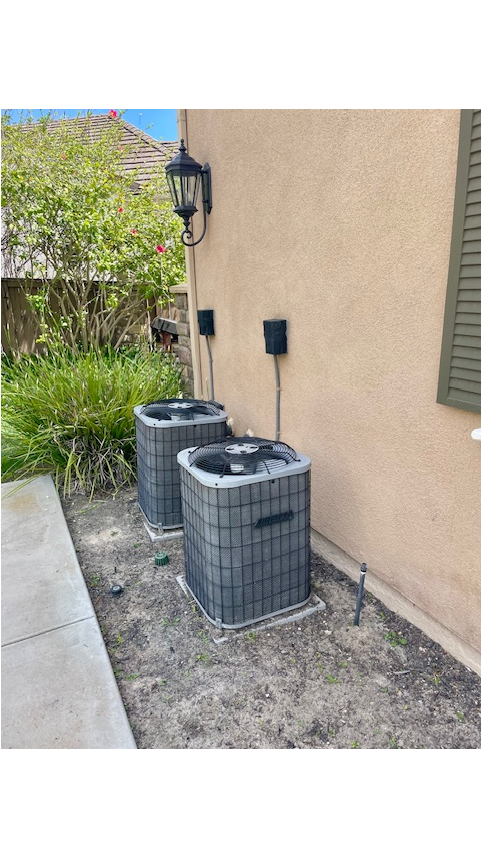
Nothing frustrates San Diego homeowners more than discovering their air conditioning system blowing warm air on a sweltering summer day. When temperatures climb into the triple digits across inland areas like El Cajon and Santee, a malfunctioning AC unit is effectively an emergency. Understanding the root causes behind this common problem helps homeowners take swift action and avoid prolonged discomfort.
Air conditioning systems blow warm air for several interconnected reasons, ranging from simple maintenance oversights to complex mechanical failures. The most frequent culprits affect thousands of San Diego homes each summer, creating uncomfortable living conditions and driving up energy costs. Teams like Point Loma Home Pros diagnose these issues daily across San Diego County, helping homeowners restore cool comfort quickly and efficiently.
Identifying the specific cause requires an understanding of how air conditioning systems function. These complex machines rely on precise refrigerant levels, clean airflow paths, and properly functioning electrical components to transfer heat from indoor spaces to the outdoors. When any component fails or operates inefficiently, the entire system struggles to maintain cool temperatures.
The six primary causes behind warm air problems affect different system components but often create cascading effects throughout the entire unit. Addressing these issues promptly prevents minor problems from escalating into major repairs or complete system replacements.
Clogged air filters are a very common cause of AC units blowing warm air, affecting many homes with poor maintenance habits. These components trap dust, pollen, pet dander, and other airborne particles before they enter the system's delicate internal mechanisms. When filters become saturated with debris, they create significant airflow restrictions that force the entire system to work harder.
Restricted airflow from dirty filters creates a domino effect of problems throughout the air conditioning system. The blower motor struggles to pull air through the clogged filter, consuming more electricity while moving less air across the evaporator coils. This reduced airflow prevents the coils from absorbing heat effectively, leaving warm air to circulate through the ductwork instead of cooled air.
The increased workload on system components leads to premature wear and higher energy consumption. Blower motors run longer cycles trying to achieve desired temperatures, while the compressor works overtime attempting to compensate for inefficient heat transfer. These conditions create the perfect environment for frozen coils and compressor failures.
San Diego's unique climate presents specific challenges for air filter maintenance, particularly in areas prone to Santa Ana winds and coastal salt air. Inland communities experience higher dust levels during dry months, while coastal homes deal with salt deposits that can corrode filter materials more quickly than standard environments.
Most San Diego homes benefit from monthly filter replacements during peak summer months and bi-monthly changes during milder periods. Homes with pets, smokers, or residents with allergies require more frequent filter changes to maintain optimal air quality and system performance. High-efficiency filters capture more particles but may need replacement more often due to their denser construction.
Refrigerant serves as the lifeblood of air conditioning systems, absorbing heat from indoor air and releasing it outside through a continuous cycle of evaporation and condensation. When refrigerant levels drop below manufacturer specifications, the entire heat transfer process becomes compromised, resulting in warm air circulation throughout the home.
Unlike automotive systems that may slowly lose refrigerant over time, properly installed AC units maintain stable refrigerant levels for years. Sudden drops typically indicate leaks in copper lines, coil connections, or valve assemblies that require immediate professional attention to prevent further system damage.
Low refrigerant creates several distinctive symptoms that alert homeowners to potential problems before complete system failure occurs. Ice formation on refrigerant lines or evaporator coils indicates insufficient heat absorption, causing moisture in the air to freeze on cold surfaces. This ice buildup further restricts airflow and compounds cooling problems.
Unusual sounds provide additional clues about refrigerant issues. Hissing or bubbling noises often indicate active leaks where pressurized refrigerant escapes from the system. These sounds may be intermittent or constant, depending on leak size and system operating conditions. Homeowners should never ignore these warning signs - especially since continued operation with low refrigerant can damage expensive compressor components.
Refrigerant handling requires specialized training, equipment, and EPA certification due to environmental regulations and safety concerns. Professional technicians use electronic leak detectors, pressure gauges, and proper recovery equipment to diagnose and repair leaks without releasing harmful chemicals into the atmosphere.
Simply adding more refrigerant without fixing the leak creates a temporary solution that fails within weeks or months. Proper repair involves locating all leak points, replacing damaged components, pressure testing the system, and evacuating air and moisture before adding the correct refrigerant charge. This approach ensures long-lasting repairs and optimal system performance.
Systems operating with insufficient refrigerant consume significantly more electricity while providing less cooling capacity. The compressor works continuously trying to achieve thermostat settings, never reaching the pressure levels needed for efficient heat transfer. This increased runtime directly translates to higher monthly utility bills without corresponding comfort improvements.
Studies have shown that improper refrigerant charge is a leading factor in reduced AC efficiency, with undercharged systems consuming up to 20% more electricity than properly maintained units. Addressing refrigerant issues quickly helps homeowners avoid ongoing waste while restoring comfortable indoor temperatures.
Thermostat problems account for numerous service calls that could be resolved through simple troubleshooting steps. Modern programmable and smart thermostats offer multiple operating modes and settings that sometimes confuse homeowners, leading to incorrect operation and warm air circulation.
Start troubleshooting by verifying the thermostat is set to "Cool" mode rather than "Heat" or "Fan Only" positions. The temperature setting should be at least 5 degrees below current room temperature to trigger cooling operation. Check that the fan setting is on "Auto" rather than "On" to prevent continuous air circulation when the system isn't actively cooling.
Battery-powered thermostats may display error codes or blank screens when batteries run low. Replace batteries annually or when low battery warnings appear to prevent unexpected system shutdowns. Programmable models sometimes revert to default settings after power outages, requiring homeowners to reprogram their preferred temperature schedules.
Electrical components like capacitors and contactors play crucial roles in AC operation but frequently fail due to San Diego's temperature extremes and electrical fluctuations. Capacitors provide the electrical boost needed to start compressor and blower motor operation, while contactors act as heavy-duty switches that control power flow to major components.
Failed capacitors prevent compressors from starting, leaving only the blower fan to circulate uncooled air through the ductwork. Faulty contactors may stick in open positions, cutting power to components even when the thermostat calls for cooling. These electrical failures require professional diagnosis and replacement with properly rated components.
The compressor is the heart of any air conditioning system, pressurizing refrigerant and driving the heat transfer process that creates cool indoor temperatures. When compressors malfunction or fail completely, the entire cooling process stops, leaving only the blower fan to circulate warm air throughout the home.
Compressor problems often announce themselves through unusual sounds that indicate internal mechanical damage or electrical issues. Grinding noises suggest worn bearings or damaged internal components, while clicking sounds may indicate electrical problems with starter components or internal relays.
Banging or clanking sounds during startup typically point to loose mounting hardware or internal component damage. These mechanical noises warrant immediate attention, as continued operation can cause catastrophic compressor failure requiring complete unit replacement - not just simple repairs.
Frozen evaporator coils create a secondary problem that compounds warm air issues by physically blocking airflow through the indoor unit. Ice formation occurs when coils drop below freezing temperatures due to restricted airflow, low refrigerant levels, or dirty coils that prevent proper heat exchange.
The ice acts as an insulating barrier that prevents air from contacting the cold coil surfaces needed for heat removal. As ice accumulates, airflow becomes increasingly restricted until the system moves virtually no air through the ductwork. This condition requires complete system shutdown and professional thawing before normal operation can resume.
Problems affecting outdoor condensing units and ductwork systems create warm air issues that homeowners often overlook during troubleshooting efforts. These components work behind the scenes but play roles in the overall cooling process.
Outdoor condenser units must effectively release absorbed heat from indoor spaces to maintain proper cooling operation. When condenser coils become clogged with dirt, leaves, grass clippings, or other debris, heat transfer becomes severely restricted, forcing the system to work harder while providing less cooling capacity.
And don't forget that San Diego's coastal areas present even more challenges through salt air exposure that can corrode condenser fins and accumulate on coil surfaces. Regular cleaning and maintenance help prevent these issues while extending equipment lifespan and maintaining peak efficiency levels.
Ductwork problems allow conditioned air to escape before reaching intended rooms, creating the impression that the system is blowing warm air when it's actually producing cool air that never arrives at the destination. Leaky joints, disconnected sections, and damaged duct materials waste significant amounts of cooled air in attic spaces or wall cavities.
These losses force the system to run longer cycles trying to achieve thermostat settings, increasing energy consumption while failing to provide adequate comfort. Professional duct sealing and repair can recover significant cooling capacity while reducing monthly utility costs.
Professional HVAC diagnosis involves systematic testing and evaluation of all system components to identify root causes rather than treating symptoms. Experienced technicians use specialized tools like digital manifold gauges, electronic leak detectors, and infrared thermometers to pinpoint problems quickly and accurately.
A thorough diagnostic approach examines electrical connections, refrigerant pressures, airflow measurements, and component operation to develop complete repair solutions. This evaluation often reveals multiple contributing factors that DIY troubleshooting might miss, preventing future breakdowns and ensuring long-lasting repairs.
The investment in professional diagnosis from local technicians pays dividends through accurate problem identification, proper repair procedures, and warranty coverage that protects homeowners from recurring issues. Quick response times during San Diego's hot summer months help restore comfort before heat-related health concerns develop.


