Think foraging is just a harmless hobby? Think again. Learn to identify deadly hemlock’s purple-blotched stems, toxic spurge’s milky sap, and other fatal lookalikes before your next wild harvest – survival experts warn these mistakes can be lethal.
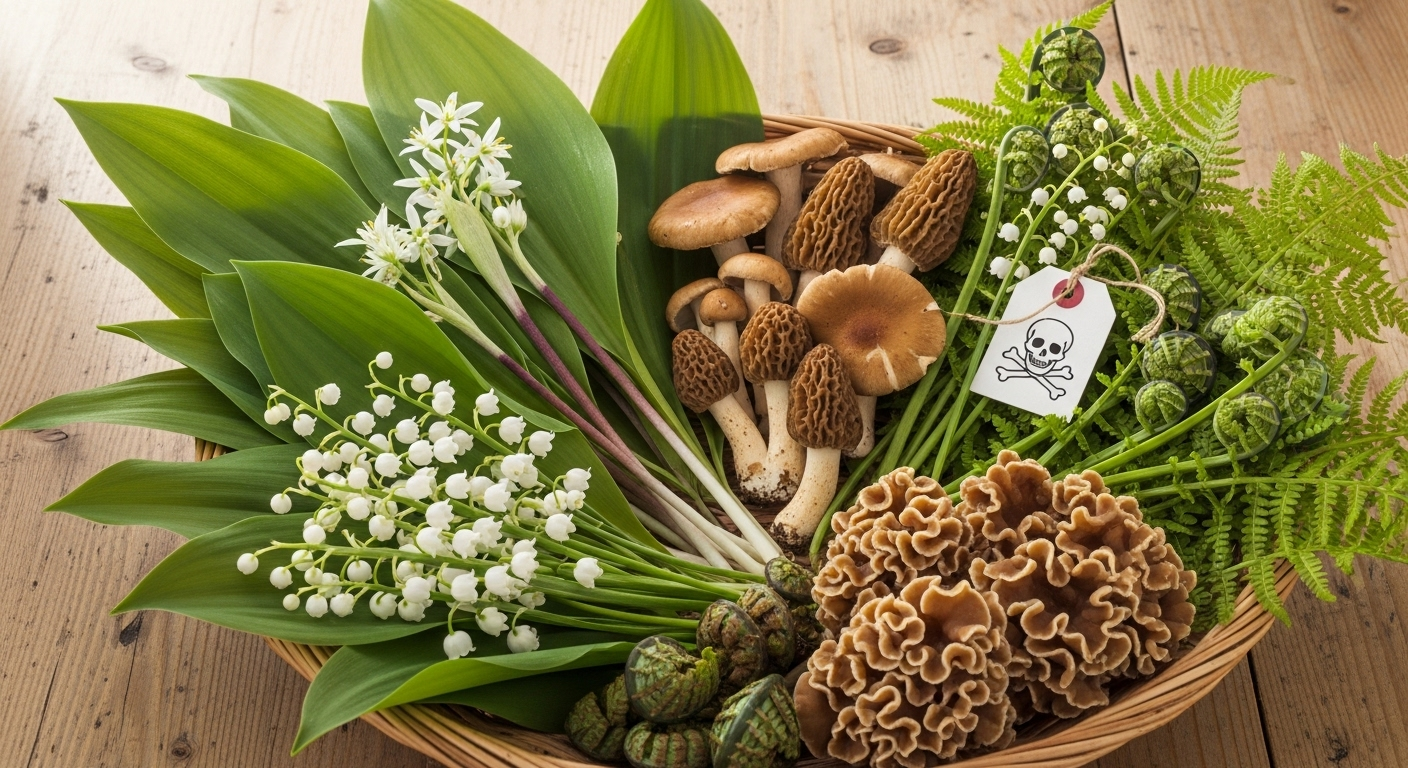
Death can be just one misidentified plant away in the world of foraging. What looks like a delicious wild carrot might be deadly hemlock, and what appears to be a nutritious wild berry could be its toxic twin.
As interest in foraging grows, understanding these dangerous doppelgangers becomes increasingly important for both novice and experienced foragers alike. The reality is that nature's pantry comes with hidden dangers that require careful study before you can safely enjoy its bounty.
Perhaps the most notorious and dangerous plant confusion happens between wild carrot (Queen Anne's lace) and deadly hemlock. This mistake has claimed lives throughout history, including that of the philosopher Socrates, who was executed with a hemlock infusion.
Wild carrot, or Queen Anne's lace, offers edible roots that taste like their domesticated cousins. The key identifying features that separate this edible plant from its deadly lookalike include:
When harvesting wild carrot, always check for these characteristics before collecting the roots. The scent test is particularly important - if you don't smell a carrot, walk away immediately.
Hemlock contains powerful neurotoxins that can cause respiratory failure and death. Just a small amount can be fatal. Critical identification features include:
Hemlock tends to grow in wetter areas than wild carrot, often near streams or in damp meadows. Never handle suspected hemlock without gloves, as toxins can be absorbed through the skin.
Adding to the confusion is wild parsnip, which sits somewhere between these two plants in terms of safety. While its roots are edible and nutritious when properly identified and cooked, other parts of the plant contain chemicals that can cause severe reactions:
Wild parsnip can be distinguished by its yellow flower clusters (unlike the white flowers of both wild carrot and hemlock) and its smooth, grooved stem with no hairs. While not as immediately deadly as hemlock, wild parsnip deserves serious caution.
One of the most nutritious wild edibles, purslane, has an evil twin that could ruin your foraging experience. Spurge, a toxic plant that often grows alongside purslane, contains a caustic sap that can cause severe irritation.
Purslane is a nutritional powerhouse containing more omega-3 fatty acids than any other leafy vegetable. Here's how to identify this beneficial plant:
This low-growing plant is often found in garden beds, cracks in sidewalks, and disturbed areas. When harvested young, the entire plant is edible, from stems to leaves and even the tiny black seeds.
Spurge is a common weed that contains toxic compounds that can cause skin irritation, vomiting, and diarrhea if ingested. Key identification features include:
The sap test is the definitive way to distinguish between these lookalikes. Simply break a small piece of stem - if white sap appears, it's spurge and should be avoided. This test can save you from painful consequences.
Berry foraging can be particularly treacherous for beginners because many toxic berries resemble their edible counterparts and appear appetizing.
Wild grapes offer a delicious treat when properly identified, but they can be confused with the deadly moonseed. Here's how to tell them apart:
The seed check is essential - never eat grape-like berries without first checking the seeds. Additionally, wild grapes have a characteristic grape smell and taste, while moonseed does not.
Pokeberries are another toxic lookalike with clusters of dark purple-black berries that grow on distinctive red-purple stems. Unlike the woody vine of grapes, pokeweed has herbaceous stems and can grow quite tall (up to 10 feet). All parts of the pokeweed plant are toxic and can cause severe digestive distress, vomiting, and even respiratory failure in severe cases.
Wild blueberries are among the safest berries to forage due to their distinctive features, but several toxic berries can superficially resemble them:
Virginia creeper berries, black nightshade, and tutsan berries all produce dark-colored berries that a careless forager might mistake for blueberries. Virginia creeper berries grow in clusters on vines with five-pointed leaves. Nightshade berries are shiny black (lacking the bloom of blueberries) and grow in small clusters. Tutsan berries turn black when ripe but have a distinctive two-lobed shape.
Rose hips are vitamin C powerhouses that can be foraged in fall and winter after the flowers have faded. However, they can be confused with the berries of cotoneaster, which are mildly toxic:
Rose hips can be used in teas, jams, and syrups, but you'll want to strain out the irritating hairs inside. While cotoneaster berries aren't among the most toxic plants, they can still cause stomach upset and shouldn't be consumed.
Mushroom foraging is perhaps the most dangerous category for beginners, with mistakes often proving fatal. Two particularly deadly confusions occur with morels and Caesar mushrooms.
Death cap mushrooms (Amanita phalloides) are responsible for the majority of mushroom poisoning deaths worldwide. These deadly fungi can be mistaken for edible Caesar mushrooms or other edible varieties. Death caps have:
The toxins in death caps damage the liver and kidneys, with symptoms appearing only after significant damage has occurred, often too late for effective treatment.
Morels are prized edible mushrooms with a distinctive honeycomb-like cap. However, they can be confused with false morels, which contain the toxin gyromitrin. True morels:
False morels, in contrast, have chambered or solid interiors and caps that hang free from the stem like a skirt. Never eat a morel-like mushroom without verifying it's hollow from stem to cap.
With so many dangerous look-alikes in the plant world, following strict safety protocols is non-negotiable. Here are the essential practices that experienced foragers swear by:
Beyond these common deadly look-alikes, be aware that there are other dangerous pairs to learn about:
The knowledge that separates safe foraging from dangerous guesswork is specific, detailed, and takes time to develop. No wild food, no matter how delicious, is worth risking your health or life. Start with the easiest, most distinctive plants, and gradually build your knowledge base.
Foraging connects us to our ancestral roots and provides nutritious, free food. With proper education and caution, it can be a safe and rewarding practice. Just keep in mind that in foraging, confidence should always come from knowledge, never from guesswork. When you're absolutely certain of a plant's identity, harvesting nature's bounty becomes one of life's great pleasures.
Your Survival Solution provides comprehensive wilderness survival training, including plant identification courses, to help you safely navigate the natural world.


