Nearly half of all women will experience hair thinning by age 50, but most don’t realize they’re missing the early warning signs. New research on naturally occurring plants and minerals combined with scalp massage reveals surprising results—but what’s the exact application technique that works best?
Hair loss can feel overwhelming, especially when it seems to come out of nowhere. Understanding the specific patterns and causes of female hair loss opens the door to effective, nature-based solutions that work with your body's natural processes.
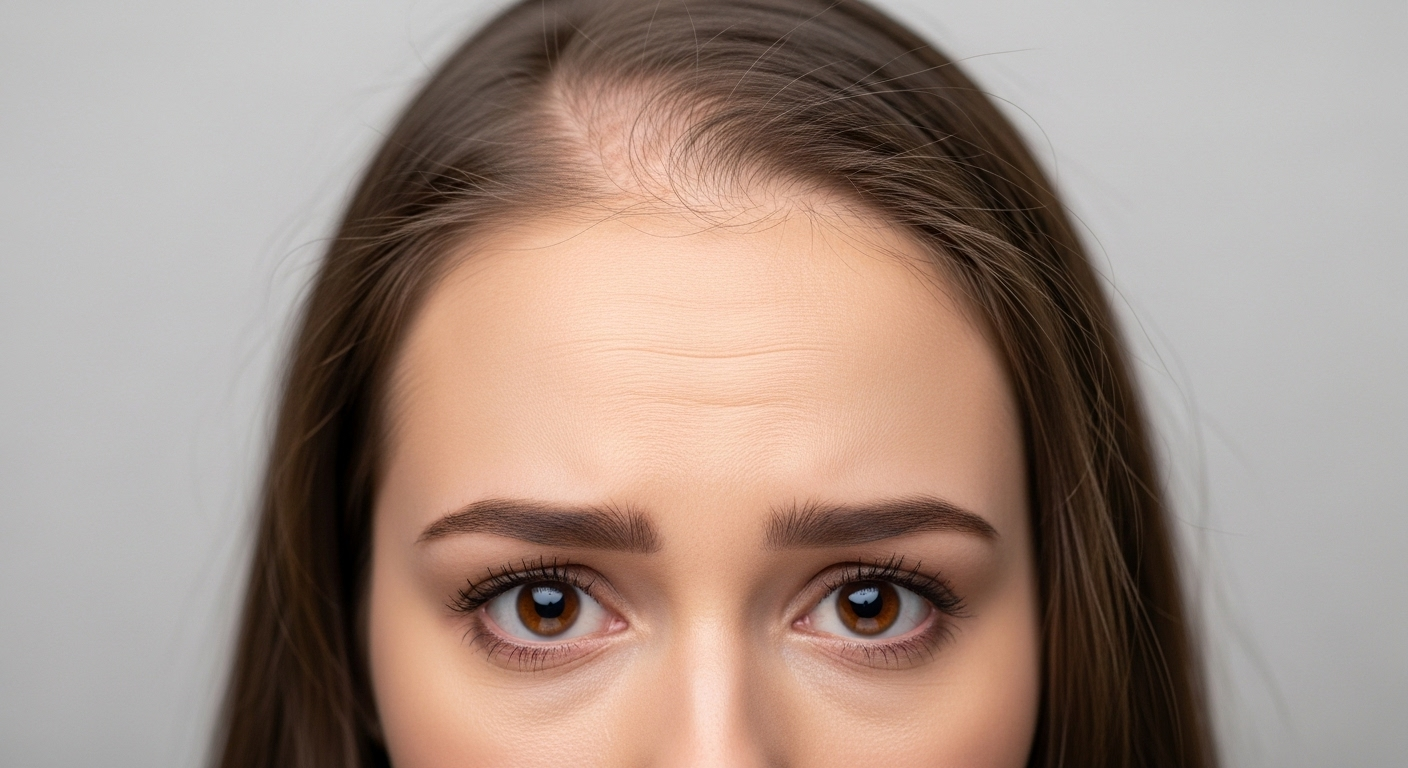
Female pattern hair loss (FPHL), also known as androgenetic alopecia, represents the most common cause of hair loss in women. This condition typically involves hair thinning across the scalp, often starting at the parting and gradually widening over time. Unlike sudden hair loss from stress or medical treatments, FPHL develops slowly and follows predictable patterns that become more noticeable with age.
The early warning signs include a widening part line, increased hair shedding during washing or brushing, and noticeable thinning across the crown area. Many women first notice their scalp becoming more visible through their hair, particularly under bright lighting or when their hair is wet. The condition affects almost half of all females by age 50, becoming increasingly common after menopause when hormonal changes accelerate the process.
Diagnosis relies primarily on clinical observation and medical history rather than complex testing. Healthcare providers examine the scalp for signs of miniaturization, where hair follicles gradually shrink and produce thinner, shorter strands before eventually stopping hair production altogether. Understanding how different treatment approaches compare can help women make informed decisions about their hair health journey.
Genetics play the primary role in female pattern hair loss, with genes inherited from either parent contributing to an individual's risk. This genetic component affects how hair follicles respond to normal hormone levels rather than requiring elevated androgen levels to trigger hair loss. Family history on both maternal and paternal sides can provide valuable insights into personal risk factors and potential progression patterns.
The genetic influence explains why some women experience significant hair loss despite having completely normal hormone levels and overall good health. These inherited factors determine follicle sensitivity, growth cycle duration, and the age at which hair loss typically begins. Understanding genetic predisposition helps set realistic expectations for treatment outcomes and timeline.
Menopause significantly accelerates female pattern hair loss due to declining estrogen levels and relatively increased androgen activity. Estrogen helps maintain hair growth cycles and follicle health, so its reduction during menopause allows androgenic effects to become more pronounced. This explains why many women notice accelerated hair loss during perimenopause and the years immediately following menopause.
The hormonal shifts don't necessarily mean androgen levels increase dramatically, but rather that the protective effects of estrogen diminish. This creates an environment where genetically sensitive hair follicles begin miniaturizing more rapidly. Post-menopausal hair loss often shows faster progression than pre-menopausal FPHL, making early intervention particularly valuable.
Hair follicle sensitivity to androgens, particularly dihydrotestosterone (DHT), drives the miniaturization process in female pattern hair loss. DHT binds to receptors in hair follicles, gradually shortening growth cycles and reducing follicle size. Over time, this process produces progressively thinner, shorter hairs before follicles eventually stop producing visible hair altogether.
Most women with FPHL have normal androgen levels, indicating that follicle sensitivity rather than hormone excess drives the condition. This sensitivity varies significantly between individuals and even between different areas of the same person's scalp. The crown and vertex regions typically show the highest sensitivity, while occipital and temporal areas remain relatively resistant to androgenic effects.
A balanced diet rich in specific vitamins and minerals forms the foundation of natural hair health support. Vitamins A, C, and E provide antioxidant protection that helps maintain healthy follicles and supports the natural growth cycle. Vitamin C specifically aids iron absorption and collagen synthesis, both needed for strong hair structure and follicle health.
Omega-3 fatty acids from sources like fish, flaxseeds, and walnuts help maintain scalp health and may reduce inflammation that can interfere with normal hair growth cycles. These fats also support overall hormonal balance and cellular health throughout the body. B-vitamins, particularly B12 and folate, contribute to healthy cell division and DNA synthesis necessary for active hair follicle function.
Iron deficiency represents one of the most common nutritional factors affecting hair health in women. Adequate iron levels support oxygen transport to hair follicles and enable the cellular processes necessary for hair growth. Even subclinical iron deficiency can contribute to hair thinning, making proper iron status evaluation important for women experiencing hair loss.
Biotin, often called the "hair vitamin," supports keratin production and hair structure integrity. While biotin deficiency is relatively rare, ensuring adequate intake through diet or supplementation can support optimal hair health. Zinc plays roles in protein synthesis, cell division, and hormone regulation, all needed for maintaining healthy hair growth cycles and follicle function.
Nutritional approaches to hair health provide benefits that extend far beyond hair growth alone. The same nutrients that support follicle health also contribute to skin health, nail strength, energy metabolism, and immune function. This holistic approach means that supporting hair health through nutrition simultaneously improves overall wellness and vitality.
Proper hydration and balanced protein intake also play fundamental roles in hair health. Hair shafts consist primarily of protein, making adequate protein consumption needed for strong, healthy hair growth. Combining targeted nutrition with other natural approaches creates a solid foundation for addressing hair loss concerns.
Scalp massage offers a simple, accessible method for supporting hair health through improved blood circulation to hair follicles. Research demonstrates that regular scalp massage can increase hair thickness and potentially stimulate follicle activity by improving nutrient and oxygen delivery. The mechanical stimulation may also help extend the growth phase of hair cycles and reduce the impact of stress on follicle function.
Effective scalp massage involves using fingertips to apply gentle, circular pressure across the entire scalp for 5-10 minutes daily. The technique can be improved by incorporating oils diluted in carrier oils, combining the benefits of massage with the therapeutic properties of specific botanicals. Consistency proves more important than intensity, with regular gentle massage providing better results than occasional vigorous sessions.
Chronic stress significantly impacts hair health through multiple pathways, including hormone disruption, nutrient depletion, and inflammation. Stress management techniques like deep breathing exercises, mindfulness meditation, and regular physical activity can help reduce these negative effects and support overall hair health. The connection between stress and hair loss makes psychological wellness an important component of hair loss management.
Incorporating stress reduction into daily routines provides benefits that extend far beyond hair health alone. Regular exercise improves circulation, helps regulate hormones, and provides natural stress relief that supports both physical and mental wellbeing. Sleep quality also plays a role, as restorative sleep allows the body to repair and regenerate tissues, including hair follicles.
Natural approaches to female pattern hair loss offer promising benefits but require realistic expectations and consistent implementation to achieve optimal results. Unlike pharmaceutical interventions that may show rapid effects, natural treatments typically require several months of regular use before significant improvements become apparent. This timeline reflects the natural hair growth cycle, which can take 3-6 months to show visible changes even with effective treatments.
Professional guidance with science-backed natural-based products proves invaluable when implementing hair loss treatments, as individual responses can vary significantly based on genetics, health status, and specific causative factors. Healthcare providers can help identify underlying nutritional deficiencies, hormone imbalances, or other health conditions that may contribute to hair loss. They can also provide guidance on combining different natural approaches safely and effectively.
The most successful natural treatment regimens often combine multiple approaches, such as targeted nutrition, topical treatments, stress management, and lifestyle modifications. This approach addresses the various factors that contribute to female pattern hair loss while supporting overall health and wellness.


