Think you know which cardio machine torches more calories? The numbers might surprise you. A 155-pound person burns 360+ calories running on a treadmill versus 324 on an elliptical… but there’s a catch that could completely change your workout strategy.
Key Takeaways:
The eternal fitness debate between ellipticals and treadmills often comes down to one burning question: which machine delivers the most bang for your workout buck? While both pieces of equipment offer excellent cardiovascular benefits, the calorie-burning potential differs significantly based on workout intensity, body mechanics, and individual factors.
Research consistently shows that treadmills have the edge when it comes to pure calorie-burning potential during high-intensity workouts. A 155-pound person can burn approximately 360-372 calories in 30 minutes running at 6 mph on a treadmill, while the same individual might burn around 324 calories on an elliptical for the same duration and perceived exertion. This 36-48 calorie difference adds up significantly over time, especially for those focused on weight loss goals.
The calorie advantage is even more pronounced at higher intensities. During vigorous exercise sessions, treadmills can facilitate calorie burns of 600+ calories per hour for a 180-pound person, compared to approximately 400 calories per hour on an elliptical at moderate effort. However, this advantage depends heavily on the user's ability to sustain high-impact exercise without discomfort or injury.
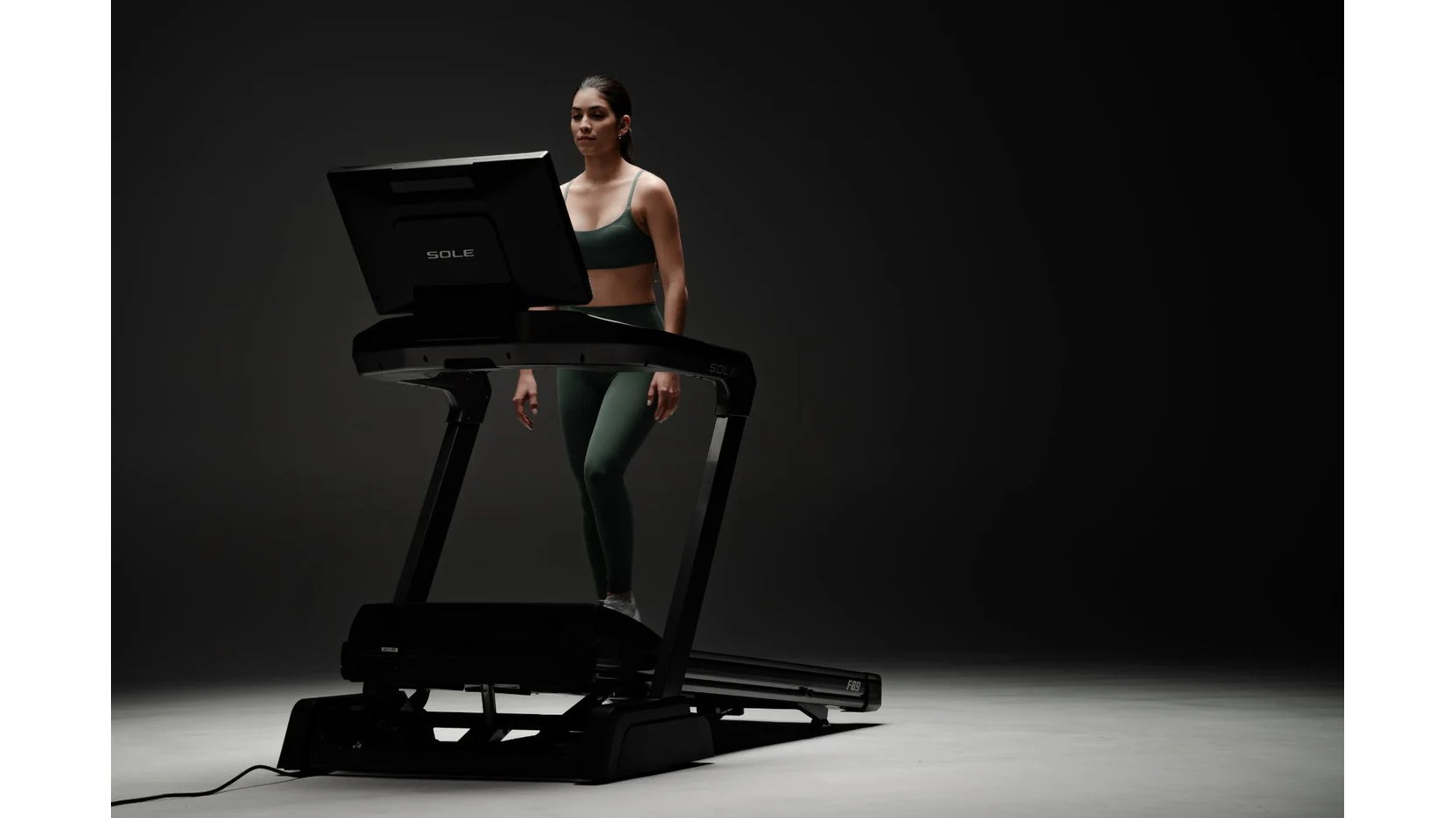
For those serious about maximizing their cardio workouts and calorie burn, SOLE Fitness provides detailed guidance on choosing between treadmills and ellipticals based on individual fitness goals.
The fundamental difference in calorie burn stems from the high-impact nature of treadmill exercise. Every step requires lifting the entire body weight against gravity, engaging stabilizing muscles throughout the core and legs. This constant fight against gravitational force demands more energy expenditure compared to the gliding motion of ellipticals, where the machine supports much of the body weight throughout the movement cycle.
Weight-bearing exercise on treadmills engages more muscle mass simultaneously compared to the supported movement patterns on ellipticals. The body must work to maintain balance, posture, and forward momentum while supporting full body weight. This wide-ranging muscle activation pattern requires greater oxygen consumption and energy expenditure, directly translating to higher calorie burns.
High-intensity interval training on treadmills can significantly boost calorie expenditure through excess post-exercise oxygen consumption (EPOC). This afterburn effect means the body continues burning calories at an elevated rate for hours after the workout ends. The high-impact nature and intensity capabilities of treadmills make them particularly well-suited for HIIT protocols that maximize this metabolic advantage.
Ellipticals equipped with moving handlebars can significantly narrow the calorie-burning gap with treadmills when users actively engage their upper body. This full-body engagement simultaneously works the arms, shoulders, back, chest, and core muscles alongside the lower body, potentially increasing total energy expenditure to levels comparable with moderate treadmill workouts.
Modern ellipticals offer substantial resistance ranges that can dramatically increase workout intensity and calorie expenditure. When resistance levels are set appropriately high, the energy demands of elliptical exercise can rival or exceed moderate treadmill workouts. The continuous resistance against both forward and backward motion engages muscles throughout the entire range of motion.
For a 155-pound individual, 30 minutes of moderate-intensity treadmill exercise (5.5 mph) burns approximately 264-335 calories, while elliptical exercise at similar perceived exertion burns around 324 calories. However, increasing treadmill speed to 6.7 mph elevates calorie burn to 420 calories, while high-resistance elliptical training reaches approximately 360 calories for the same duration.
These numbers show that while treadmills maintain an advantage at higher intensities, the gap narrows considerably when comparing high-intensity elliptical work to moderate treadmill exercise. The choice often depends on individual capacity to sustain different intensity levels and tolerance for high-impact exercise.
Larger individuals see more dramatic differences in calorie expenditure between machines. A 185-pound person can burn approximately 710 calories per hour running at 6 mph on a treadmill, compared to 540 calories per hour on an elliptical at moderate intensity. This 170-calorie difference represents a 31% advantage for treadmill exercise.
However, when elliptical resistance and intensity are maximized with full-body engagement, hourly calorie burns can reach 650-700 calories, significantly closing the gap. These numbers highlight the importance of workout intensity and proper technique regardless of machine choice.
The intensity factor dramatically influences comparative calorie burns between machines. High-intensity treadmill intervals can generate calorie burn rates exceeding 15-18 calories per minute, while moderate elliptical exercise typically burns 8-12 calories per minute. However, high-intensity elliptical training with maximum resistance can achieve 12-15 calories per minute when technique and resistance are optimized.
These comparisons reveal that machine selection should align with individual capacity for different intensity levels. Those who can sustain high-impact, high-intensity exercise will benefit most from treadmills, while individuals requiring lower impact can still achieve substantial calorie burns through strategic elliptical training.
Body weight significantly influences calorie expenditure on both machines, with heavier individuals burning more calories due to increased energy demands of moving larger body mass. However, fitness level affects sustainability and intensity capacity, ultimately determining total calorie expenditure over time. Well-conditioned individuals can maintain higher intensities longer, maximizing calorie burn regardless of machine choice.
Fitness level also influences efficiency of movement patterns. Beginners may struggle with proper treadmill form, potentially reducing calorie burn and increasing injury risk, while experienced exercisers can optimize technique for maximum energy expenditure. Similarly, elliptical users must learn to engage multiple muscle groups effectively to maximize caloric expenditure.
Intensity is still the primary driver of calorie burn on both machines. Short, high-intensity sessions can burn as many calories as longer, moderate-intensity workouts, but sustainability varies between individuals. Duration becomes vital for those who cannot sustain high intensities but can maintain moderate effort for extended periods.
The relationship between intensity and duration creates different optimal strategies for different fitness goals. Weight loss may benefit from longer, moderate sessions that can be sustained consistently, while fitness improvement might require shorter, higher-intensity intervals that challenge cardiovascular adaptations.
Proper utilization of machine settings dramatically affects calorie expenditure. Treadmill incline can significantly increase calorie burn, with a 15% incline potentially increasing calories burned by approximately 45% compared to flat running. Elliptical resistance settings can substantially increase energy expenditure, with high resistance levels leading to significantly higher calorie burns.
Many users underutilize available settings, settling into comfortable routines that limit calorie-burning potential. Regularly adjusting speed, incline, resistance, and incorporating interval protocols ensures continued challenge and maximum energy expenditure regardless of machine preference.
Your decision between ellipticals and treadmills will ultimately depend on your goals, physical limitations, and preferences. Those primarily focused on maximum calorie burn and comfortable with high-impact exercise will find treadmills more effective. However, individuals with joint concerns, injuries, or preferences for full-body engagement may achieve better long-term success with ellipticals.
Sustainability trumps short-term calorie-burning advantages. A machine that can be used consistently without pain or excessive fatigue will provide better results over time than one that offers higher calorie burns but cannot be used regularly. Joint health, injury history, and personal comfort should heavily influence machine selection.
Consider workout variety and progression potential when making decisions. Some individuals thrive on the straightforward nature of treadmill training, while others prefer the variable resistance and movement patterns available on ellipticals. The best machine is ultimately the one that will be used consistently and with proper intensity - and you can find the right one from manufacturers that specialize in both types.


