Think La Jolla electrical costs are just inflated? Salt air corrosion alone can cut your system’s lifespan in half… and marine-grade materials aren’t optional. Here’s what homeowners actually pay for panel upgrades, rewiring, and EV chargers, and why cutting corners costs more later.
Electrical work in La Jolla doesn't come cheap... and for good reason. The combination of oceanfront exposure, mid-century construction, and California's robust permitting framework creates a unique set of demands that most inland electricians simply aren't equipped to handle.
Understanding what you're actually paying for is the first step toward making a smart, informed decision.
Every electrical project is different, but having a realistic ballpark before picking up the phone puts homeowners in a much stronger position. Here's what the most common services typically cost in the La Jolla area, along with the key variables that move prices up or down.
Panel upgrades are one of the most requested services in La Jolla, and the price range is wide for good reason. A straightforward 100-amp to 200-amp upgrade in San Diego can run $7,000 to $8,000 when permits and utility coordination are factored in. More complex projects (involving panel relocation, trenching, flush versus surface mounting, or a significant increase in circuit count) can push costs toward $18,000.
Older panels in La Jolla homes are a real liability. Federal Pacific panels, for example, are well-documented as a safety hazard, and replacing them with modern alternatives can potentially lead to benefits such as reduced insurance premiums, though specific outcomes vary by insurer and policy. For coastal homes, the panel itself should include marine-grade, corrosion-resistant components; not standard equipment, but a necessary upgrade that adds modest cost while dramatically extending the system's service life.
Full rewiring is the most labor-intensive residential electrical project, and in La Jolla, the numbers reflect that. For most homes, rewiring jobs start in the $7,500 to $15,000 range, but more extensive projects (depending on home size, circuit complexity, and whether new circuits are being added or it's a like-for-like replacement) can run from $12,000 to $40,000 or more. Smaller homes with straightforward layouts land closer to the lower end; larger properties with complex layouts, additional circuits, or significant access challenges move higher.
The driving cost factors are:
For homes built before the 1970s, rewiring is often a critical safety upgrade and frequently becomes necessary to meet modern electrical codes, especially during renovations or when addressing existing hazards. Aluminum wiring, cloth-insulated conductors, and ungrounded outlets are all common findings in older La Jolla properties, and each one presents a genuine fire or shock hazard.
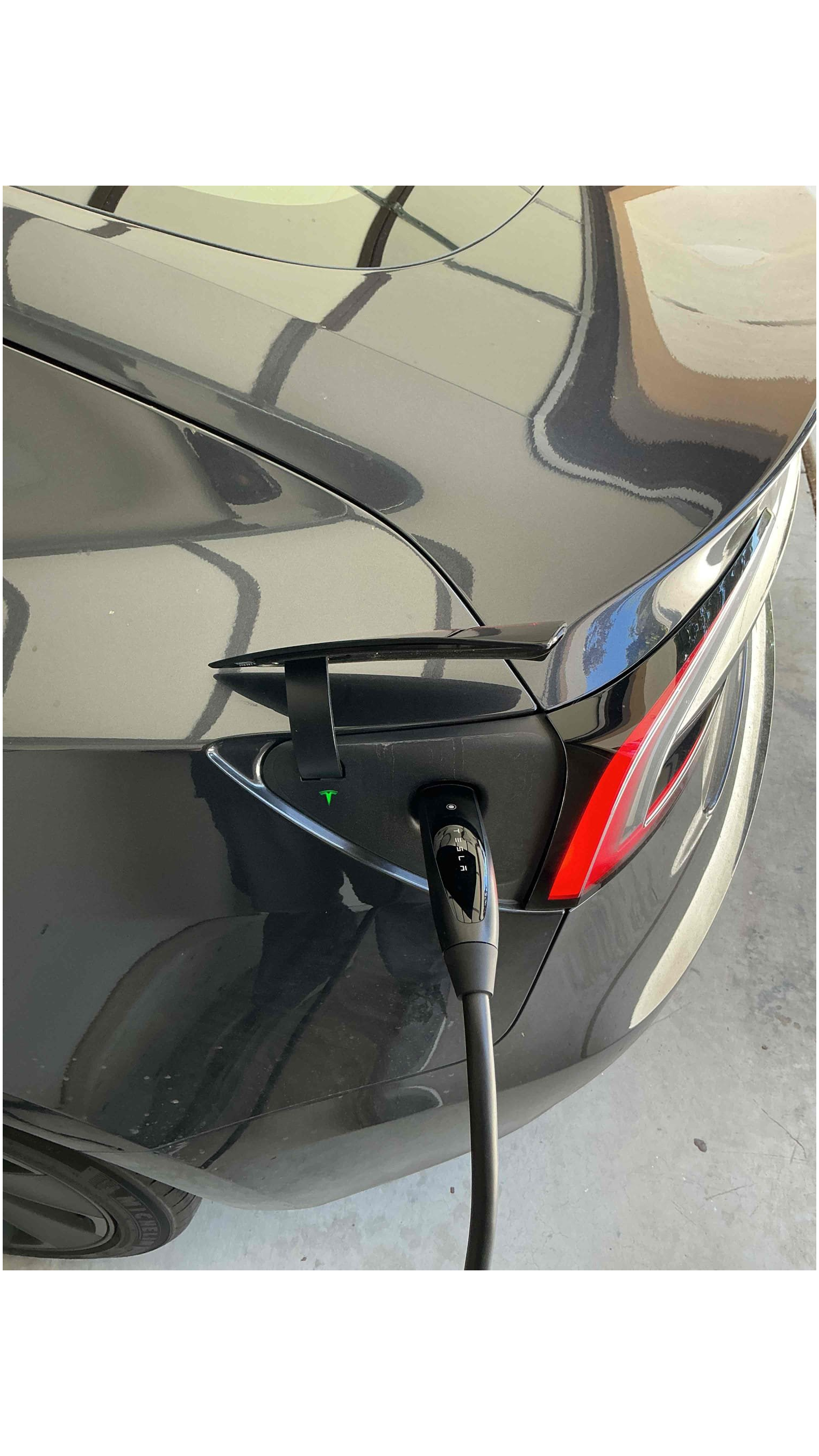
Level 2 EV charger installation in San Diego typically falls between $750 and $2,500, though the full range can extend to $3,000 or more (potentially exceeding $4,000) when panel upgrades or significant conduit runs are required. The biggest cost variable is the condition of the existing electrical panel. If it has capacity to spare, installation is relatively straightforward. If the panel needs upgrading first, that cost gets stacked on top.
San Diego residents may qualify for rebates through SDG&E's Power Your Drive program. A federal tax credit of up to 30% of the cost, capped at $1,000, is also available for qualified home EV charger installations, provided the installation is in an eligible low-income community or non-urban census tract and completed by June 30, 2026. These incentives don't eliminate the upfront cost, but they can meaningfully reduce the net out-of-pocket expense. A qualified electrician can advise on optimal charger placement, weatherproofing for outdoor installations, and smart charging options that take advantage of off-peak electricity rates.
Not every electrical call is a major project. Smaller services in La Jolla carry their own cost ranges:
These smaller jobs can add up quickly in older homes where multiple outlets, switches, or breakers are showing their age. Coastal corrosion accelerates wear on receptacles and switches - so what looks like a minor flickering issue can sometimes trace back to corroded contacts inside an otherwise intact outlet. Bundling several smaller repairs into a single visit is usually the most cost-effective approach.
Even within California (already among the most expensive states for electrical labor), La Jolla sits toward the higher end. Here's what's behind that.
In San Diego, licensed electricians typically charge between $50 and $130 per hour, with journeyman electricians earning around $75-$110 per hour and master electricians up to $130 per hour. California rates are generally higher than the national average, and the combination of a high cost of living, strict California building codes, and sustained demand for licensed professionals pushes local rates roughly 10-15% above the national average.
This is the cost factor that surprises La Jolla homeowners most. Salt air doesn't just affect what's visible outside; it works its way into outdoor panels, junction boxes, conduit systems, receptacles, and switches. In a coastal environment, standard electrical components can fail years or even decades ahead of their expected service life.
The fix requires marine-grade, corrosion-resistant materials that cost more than standard components and sometimes require different installation techniques. Outdoor panels and conduit systems especially need this treatment. Skipping the upgrade to save money upfront usually results in much more expensive repairs a few years down the road; which is why experienced coastal electricians won't cut this corner, and why their quotes reflect that.
A large share of La Jolla's housing stock was built between the 1940s and 1970s, which means many homes have wiring systems, panel configurations, and structural layouts that weren't designed around modern electrical loads. Working in these homes takes longer - plaster walls require more careful penetration, older wiring may need to be documented and safely isolated, and the number of surprises discovered mid-project is higher than in newer construction.
Permitting complexity adds another layer. Most electrical work in San Diego requires a permit from the City of San Diego Development Services Department, with permit fees typically ranging from $50 to $300. In older homes, inspectors sometimes identify additional code compliance issues that weren't part of the original scope - requiring additional work and additional visits before final sign-off. A contractor who is familiar with La Jolla's permitting environment can anticipate these situations and factor them into the timeline and budget from the start.
Cost is only half the equation. The electrician who gives the lowest quote isn't always the best choice... and in La Jolla, where the margin for error is thin, experience and credentials matter as much as price.
Not every licensed electrician has worked extensively on coastal properties or pre-1980s homes. These are genuinely different environments from a technical standpoint. When vetting contractors, ask directly:
Contractors with this background don't just complete the job; they anticipate problems before they become expensive surprises. That familiarity with what's hiding behind the walls of a 1960s La Jolla home is worth paying for.
This step is non-negotiable. A licensed electrical contractor carries a California C-10 Electrical Contractor license, which is required for projects exceeding $500 and allows them to operate independently. Individual electricians working under a contractor typically hold a California General Electrician certification, which requires 8,000 hours of supervised work experience. All licensed contractors maintain general liability insurance and pull permits for any work that requires them. Never hire someone who suggests skipping permits to save time or money. After all, unpermitted work creates serious liability for homeowners and can complicate future sales or insurance claims.
Verifying a license takes about two minutes through the California Contractors State License Board (CSLB) website. Ask for proof of insurance as well, particularly workers' compensation - if a worker is injured on your property and the contractor isn't properly insured, the homeowner can be held liable.
Before any work begins, insist on a written contract that includes:
A contractor who resists providing a detailed written contract is a red flag. Legitimate professionals document everything - it protects both parties and creates a clear record if disputes arise.
The difference between a contractor who understands La Jolla and one who doesn't shows up over time - in callbacks, premature failures, and the subtle signs of work that wasn't quite right for the environment. Marine-grade components installed by someone who doesn't know the difference between coastal and inland specs will still fail. A panel that was upgraded without accounting for the home's full load profile will underperform from day one.
Bottom line: electrical work isn't a product you can easily return or undo. The contractor you choose determines whether the work passes inspection, holds up against the coastal environment, and keeps your home safe for the years ahead. Those outcomes are worth choosing carefully.


