Think phone photos are good enough for property listings? Real estate data shows homes with professional photography sell 32% faster and for higher prices than those using amateur shots.
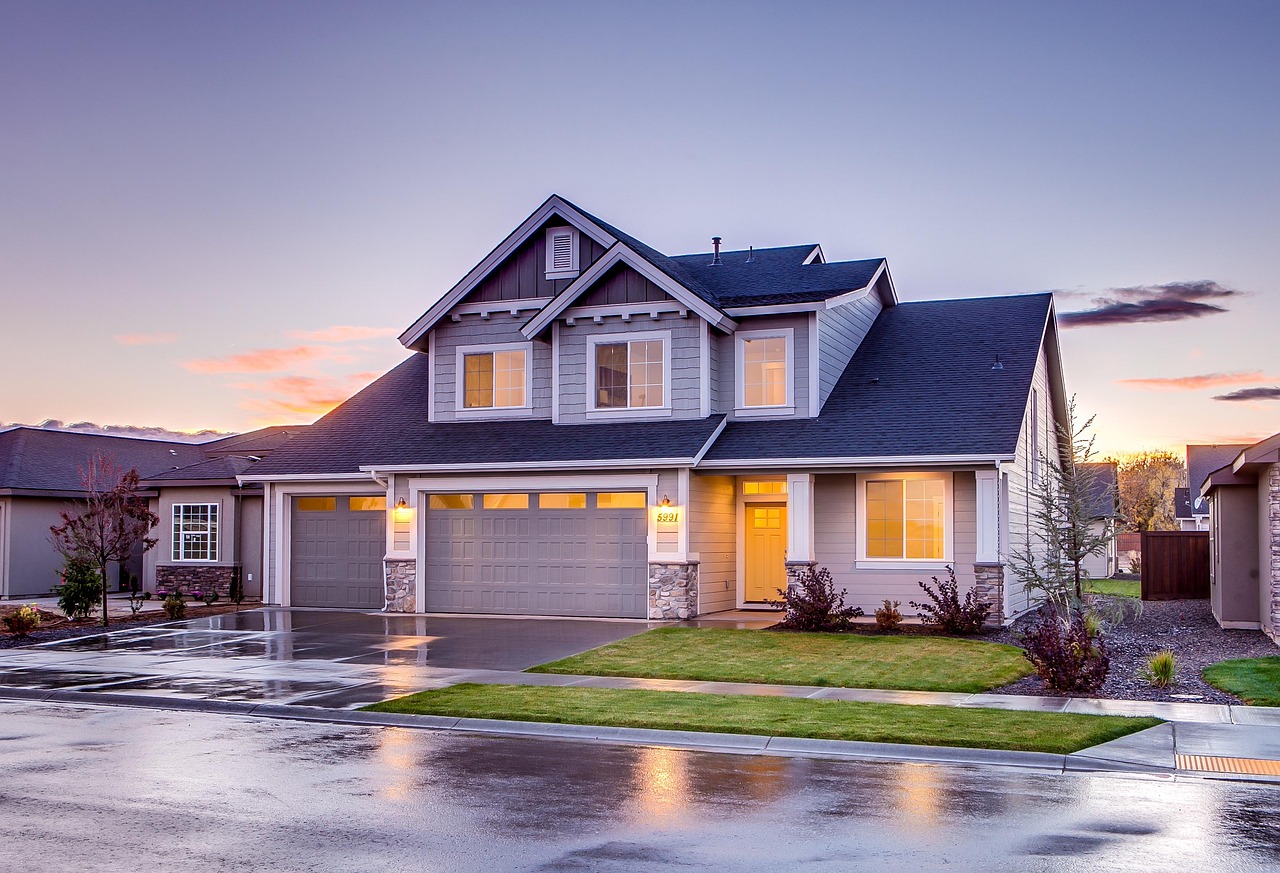
Your phone takes decent vacation photos, but when it comes to selling a $400,000 home, "decent" doesn't cut it. Good real estate photography can make the difference between a quick sale at full asking price and months of price reductions. Selling real estate requires a different level of visual storytelling. Professional photographers such as PorchLight Photography know how to make spaces look their absolute best, while, unfortunately, amateur photos often highlight a property's flaws instead of its strengths.
Real estate statistics paint a clear picture of professional photography's impact on sales outcomes. Homes photographed by professionals spend fewer days on the market compared to those using a phone or amateur photography. That's not just faster sales—it's less stress, fewer carrying costs, and quicker moves to your next chapter.
The National Association of Realtors (NAR) found that 87% of buyers rely heavily on photos when browsing listings online. Your home's first showing happens on a computer screen, not at an open house. Buyers make initial decisions about which properties to visit based entirely on online photos, meaning poor-quality images eliminate your home from consideration before potential buyers ever set foot inside.
What's more, NAR statistics also prove that listings with professional photography receive 118% more online views than those with amateur photos. More views translate directly into more showing requests, more offers, and ultimately better sale prices.
Phone cameras struggle with real estate's biggest challenges. Wide-angle limitations make rooms look cramped and chopped off. Poor low-light performance turns cozy spaces into dark caves. Without proper equipment, even million-dollar homes can look like budget rentals.
The camera sensors in smartphones, while impressive for their size, simply can't capture the dynamic range needed for interior real estate photography. When you photograph a room with bright windows, phone cameras either blow out the window light or leave the interior too dark to see details. Professional cameras handle these challenging lighting conditions with ease.
Professional photographers bring specialized wide-angle lenses that capture entire rooms in single shots. They use lighting techniques that make spaces feel bright and welcoming, even on cloudy days.
Phone cameras also lack the manual controls necessary for consistent results. Auto-focus systems often focus on the wrong elements, auto-exposure creates inconsistent lighting between shots, and color temperature varies wildly from room to room. These technical inconsistencies create a disjointed viewing experience that makes properties look unprofessional.
Real estate photography requires specific skills beyond pointing and shooting. HDR (High Dynamic Range) techniques balance bright windows with interior lighting, creating images that show both outdoor views and interior details clearly. Professional photographers understand which angles make kitchens and bathrooms look larger, how to minimize clutter, and when to shoot rooms to capture the best natural light.
Proper composition makes huge differences in perceived space and flow. Professional photographers know to shoot from corners to maximize room size appearance, how to use leading lines to draw viewers through spaces, and which elements to include or exclude from each shot.
Twilight photography showcases outdoor lighting and curb appeal that daylight photos miss entirely. These golden-hour shots make properties look warm and inviting, highlighting landscape lighting, pool features, and architectural details that disappear in harsh midday sun.
Professional editing removes distractions, corrects color temperature, and ensures consistent quality across all listing photos. This post-processing work transforms good photos into compelling marketing materials. Professional editors can remove power lines, enhance blue skies, and correct perspective distortions that make rooms look tilted or cramped.
Buyers form emotional connections with properties based on photos long before they schedule showings. Professional images create aspirational feelings—buyers can envision themselves living in beautifully photographed spaces. Amateur photos often trigger concerns about maintenance, cleanliness, or whether the property is priced correctly.
The difference is particularly noticeable in kitchens and bathrooms, which heavily influence buying decisions. Professional photographers know how to make these spaces look clean, modern, and spacious, even when working with older or smaller rooms. They understand which details to highlight and which imperfections to minimize through careful angle selection and lighting.
High-quality photos also suggest that sellers care about their property's presentation and maintenance. This perception carries over into buyer expectations about the home's overall condition, often resulting in smoother inspections and fewer repair requests.
Aerial photography showcases lot size, neighborhood context, and property features that ground-level photos can't capture. Swimming pools, landscaping, and proximity to parks or schools become selling points instead of afterthoughts.
Drone shots are particularly valuable for Arizona properties, where outdoor living spaces and desert landscaping are major selling features. These elevated perspectives show how properties relate to surrounding mountains, golf courses, or community amenities that aren't visible from street level.
FAA regulations require licensed drone operators for commercial real estate photography, making professional services necessary for legal aerial shots. Attempting drone photography without proper licensing and insurance creates liability issues that far exceed any potential cost savings.
Video tours and virtual walkthroughs have become standard expectations, not luxury add-ons. These tools let serious buyers pre-qualify properties before scheduling in-person visits, saving time for both sellers and agents. Professional video tours guide viewers through logical traffic patterns while highlighting key features and room relationships.
Virtual staging allows empty properties to show their full potential without the expense of physical furniture rental. Professional photographers can digitally furnish rooms to help buyers visualize how spaces might look when occupied, often making the difference between a quick sale and extended market time.
Professional real estate photography typically costs $200-500, representing less than 0.1% of most home sale prices. Compare that to the potential cost of extended market time, price reductions, or missed opportunities with qualified buyers who scroll past poor-quality photos.
When you consider that real estate agents spend thousands on marketing, professional photography delivers the highest return on investment of any promotional expense. A single additional showing generated by compelling photos can justify the entire photography cost.
Market research shows that homes priced above $300,000 with professional photography sell for an average of 2.5% more than comparable properties with amateur photos. On a $400,000 home, that price difference alone covers photography costs ten times over. Quality visuals sell them for higher prices, as buyers perceive well-photographed properties as better maintained and more desirable. Professional photography positions your property as the standout choice in competitive markets.
The bottom line is clear: in today's digital-first real estate market, professional real estate photography is an investment that pays dividends through faster sales, higher prices, and reduced stress throughout the selling process.


