Shared heating infrastructure connects entire neighborhoods to centralized plants that capture industrial waste heat, renewable energy, and combined power generation most buildings never access independently. In this piece, the Winterthur energy experts explain how district heating networks achieve reliability rates individual heating systems can’t match.
Your monthly heating bill keeps climbing while your building pumps pollution into the neighborhood air every winter. Tapping into district heating networks slashes energy costs while protecting the environment through smarter energy distribution, reveals the Winterthur-based energy team at Stadtwerk Winterthur.
These underground systems work differently from anything you've experienced with traditional heating, delivering benefits most building owners never knew existed.
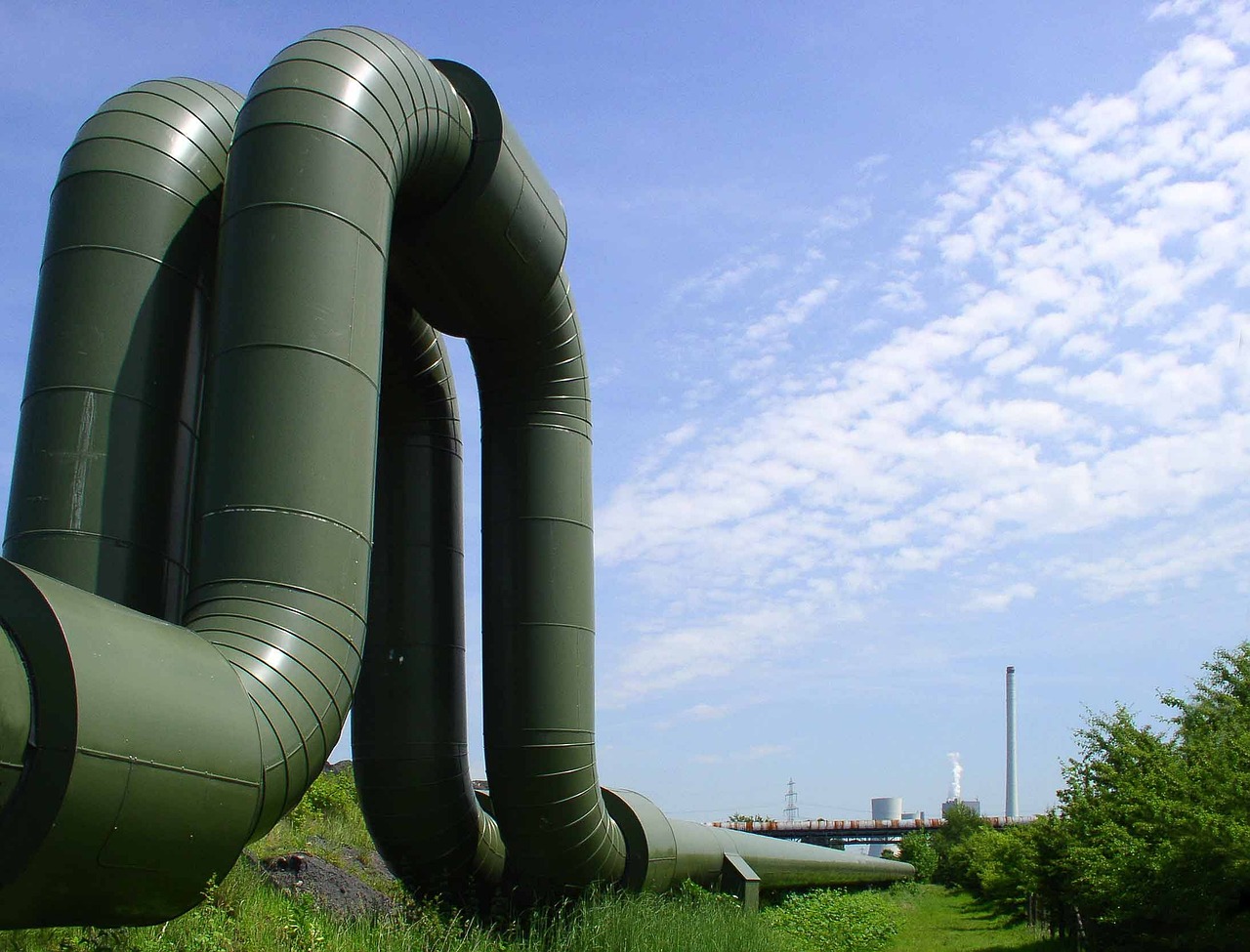
District heating systems pump hot water from centralized production facilities through insulated underground pipes that branch out to residential towers, office buildings, and public spaces across entire neighborhoods. Supply pipes carry water heated between 65 and 115 degrees Celsius directly to customers, while return pipes bring the cooled water back for reheating before it circulates again. Modern pipes consist of steel cores wrapped in polyurethane foam insulation and protective plastic shells bonded together as complete factory-made units.
Buildings connect through heat exchangers that transfer warmth from the district network into each property's internal heating setup without ever mixing the two water supplies. These exchangers sit in dedicated spaces much smaller than traditional boiler rooms, often freeing up valuable square footage for storage or other building needs. The pipes themselves run beneath streets at depths between half a meter and one meter, with major distribution lines sometimes traveling through dedicated underground tunnels.
The technology treats water to remove impurities and oxygen that could corrode pipes from the inside, often adding harmless green coloring to help detect leaks quickly. Networks typically lose only about 10 percent of thermal energy between the production plant and final delivery to customer buildings. This efficiency comes from advanced insulation materials that keep heat contained even as water travels several kilometers through the distribution system.
Combined heat and power plants generate both electricity and thermal energy at the same time, capturing warmth that electricity-only facilities normally waste into cooling towers or rivers. These dual-purpose plants achieve fuel efficiency improvements of 30 to 40 percent compared to producing heat and electricity separately in different locations. The electricity goes to the power grid while captured heat flows directly into district heating pipes serving nearby buildings.
Industrial facilities like manufacturing plants and refineries produce enormous amounts of excess heat during normal operations that previously escaped unused into the atmosphere. District networks redirect this surplus energy to warm homes and offices instead of letting it disappear as waste. Municipal waste incineration plants contribute significant heating capacity by converting garbage into thermal energy rather than burying materials in landfills that create methane emissions.
Renewable sources, including large-scale heat pumps, solar thermal fields, geothermal wells, and biomass combustion plants, supply growing portions of district heating networks. Heat pumps extract warmth from unlikely sources like treated sewage, seawater, rivers, and even data centers that need constant cooling. Storage tanks within the network hold excess heat produced during low-demand periods and release it when consumption spikes during cold mornings.
Multiple plants typically feed a single network, letting operators choose which sources to run based on current efficiency and cost considerations. This flexibility means the system can adapt moment by moment to balance supply with changing demand throughout the day.
Understanding how district heating works matters less than knowing what these networks actually deliver to building owners, residents, and entire communities every single day.
Installing one central heat substation costs substantially less than equipping every building with separate boilers that need regular replacement and constant maintenance work. These compact substations take up far less room than traditional boiler equipment, creating extra usable space that property managers can rent or repurpose. Individual heating systems must handle the absolute coldest days, forcing building owners to buy oversized equipment that sits mostly idle during milder weather.
District networks avoid this waste because different buildings peak at different times, allowing total system capacity to run 30 to 40 percent lower. Operating and maintaining district heating costs six to ten times less over the equipment's lifetime compared to managing separate systems in each building. Customers also benefit from stable pricing through long-term contracts that shield them from sudden fossil fuel price spikes that hit traditional heating bills hard.
District heating networks achieve availability rates near 100 percent, with typical systems causing service interruptions averaging less than two hours per customer each year. Individual boilers break down far more often, sometimes leaving entire buildings without heat during the coldest winter days while waiting for repair technicians. Networks include backup capacity built right into the design, so maintenance on one plant never affects customer service.
Local energy infrastructure means communities rely on regional resources like industrial waste heat and municipal waste instead of imported fossil fuels vulnerable to international market disruptions. Multiple production plants create redundancy that keeps warmth flowing even when unexpected equipment problems hit one facility during severe weather events.
Replacing thousands of individual fossil fuel boilers with centralized production dramatically cuts carbon emissions and pollution throughout urban neighborhoods where people live and work. Large modern plants include advanced pollution control systems that far exceed what building-level equipment can achieve while burning fuel more completely and efficiently. Eliminating combustion from residential areas leads to measurably cleaner air and fewer respiratory health problems across the entire community.
District networks integrate renewable energy sources more easily than individual building systems that would require expensive replacements to switch from fossil fuels. Solar thermal installations, geothermal plants, and large-scale heat pumps connect seamlessly into existing pipe networks, letting entire neighborhoods benefit from clean energy immediately. Communities can add new sustainable heat sources as technology improves without disrupting service or forcing building owners to upgrade their internal heating systems.
District heating infrastructure adapts to changing energy technologies without requiring building owners to tear out and replace their existing internal heating equipment every decade. Networks progressively incorporate newer and cleaner heat sources as they become available, transitioning entire communities toward carbon neutrality while customer connections remain fully compatible. This adaptability protects investments and ensures heating solutions stay viable for decades as environmental regulations grow stricter and fossil fuel availability becomes uncertain.
The connection between district heating and electricity systems creates bonus benefits as wind and solar power generation expands across energy grids. Heat pumps and electric boilers within district networks absorb surplus electricity from renewable sources that would otherwise go to waste when production exceeds demand. Converting this excess clean power into stored heat for later use maximizes renewable energy value while supporting grid stability during challenging weather conditions.
District heating cuts costs while protecting the climate through proven technology that major European cities have refined over decades of real-world operation. The combination of reliability, environmental benefits, and long-term savings makes these shared systems increasingly attractive for both new construction and building retrofits, with local heating network providers offering expert guidance throughout urban areas.


