Most dental patients research online before booking, but many practices still don’t offer online scheduling, and that gap is costing clinics thousands in lost revenue. Here’s how content-led strategies are turning website visitors into loyal patients in 2026.
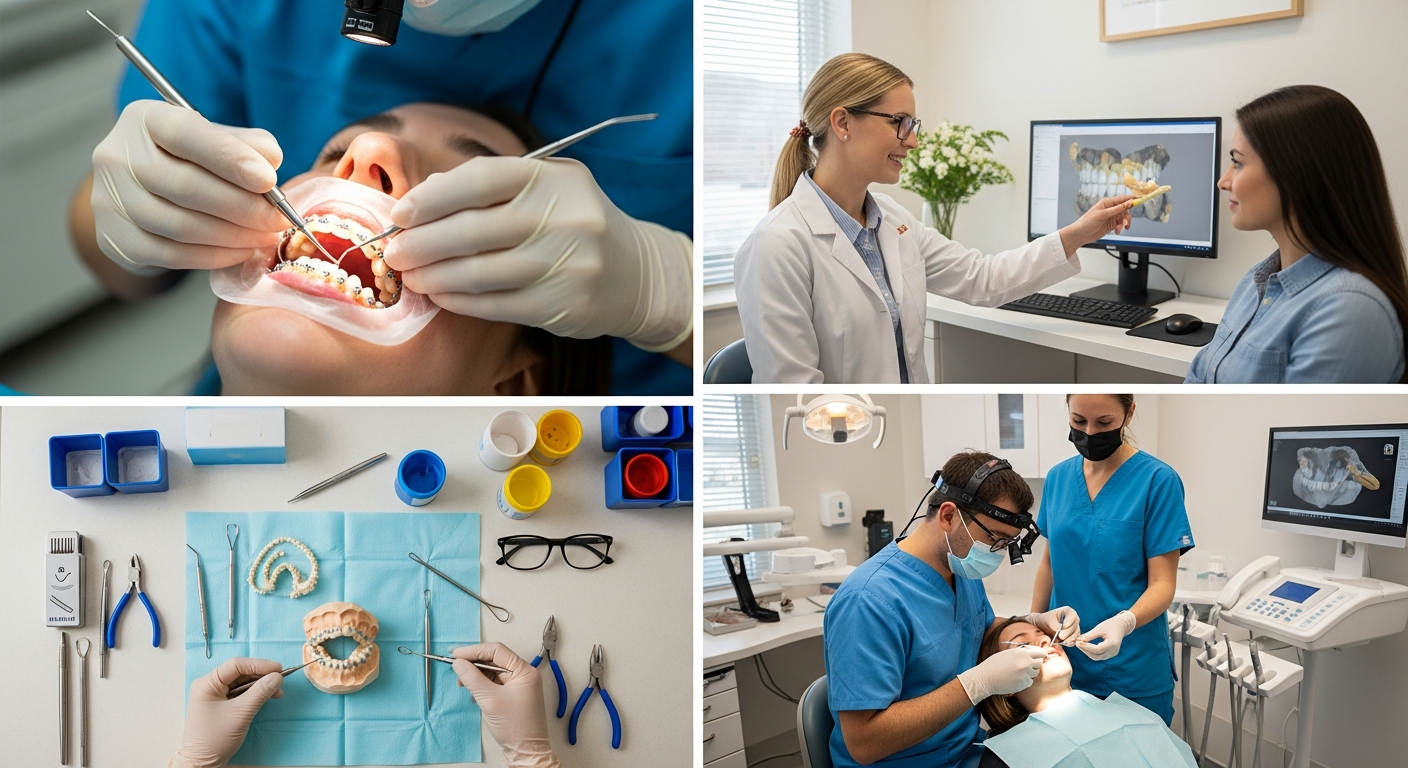
The dental industry landscape has fundamentally shifted. Patients no longer rely solely on word-of-mouth referrals or yellow pages listings. Today's dental patients are digital researchers who investigate treatment options, compare practices, and read reviews before making appointment decisions. This transformation presents both challenges and unprecedented opportunities for dental clinic owners willing to adopt strategic digital marketing.
Consumers today utilize online search engines to research dental treatments and read reviews when seeking a new dentist. Even more telling, nearly half of all potential dental patients conduct thorough research, often spanning over two weeks, before making a decision on a dental provider.
This extended research period represents a critical window where your digital presence either wins or loses potential patients. During these two weeks, prospective patients are actively comparing your practice against competitors, evaluating your expertise through content, and assessing your credibility through online reviews and professional presentation.
The implications are profound: if your practice lacks a strong digital foundation, you're essentially invisible during the most important decision-making phase. Digital marketing experts like Omnichannel360 understand this shift and help dental practices capture attention during these crucial research moments through strategic content placement and distribution across high-authority platforms.
Nearly half of all Google searches have local intent, meaning a significant portion of potential patients are specifically looking for dental services "near me." This local search behavior creates an immediate opportunity for practices that optimize their digital presence for geographic relevance and local authority.
Local SEO optimization serves as the foundation of dental practice visibility. When potential patients search for "dentist near me" or "dental clinic in [city]," your practice needs to appear prominently in search results. Clinics with a strong online presence, including an optimized dental website design and a well-maintained Google Business Profile, receive 50% more clicks than those without.
The optimization process involves claiming and completely filling out your Google Business Profile with accurate clinic information, high-quality photos showcasing your facility and team, consistent business hours, and regular updates about services or special offerings. Additionally, managing and responding to patient reviews demonstrates active engagement and builds trust with prospective patients.
Beyond Google My Business, local SEO includes ensuring your website contains location-specific content, maintaining consistent NAP (Name, Address, Phone) information across all online directories, and building local citations through healthcare directories and community websites.
Your website functions as a digital front desk that never closes. However, many dental practices still don't offer online booking options, indicating a significant opportunity for practices to differentiate themselves and meet patient expectations for convenience.
Effective website optimization focuses on user experience elements that directly impact appointment conversion rates. This includes mobile-responsive design (since most local searches occur on mobile devices), fast loading speeds, clear navigation, prominent contact information, and streamlined appointment booking functionality.
The most successful dental websites also feature patient testimonials, before-and-after treatment galleries (with proper consent), detailed service descriptions, and educational content that addresses common patient concerns and questions.
Content marketing generates three times as many leads as traditional advertising while costing less. This remarkable efficiency stems from content's ability to build trust, improve search engine optimization, and educate patients before their first visit.
Successful dental content addresses patient pain points and concerns through educational blog posts, treatment explanation videos, oral health tips, and answers to frequently asked questions. Topics like "What to expect during a root canal," "How to prevent cavities," and "Understanding dental insurance coverage" consistently perform well because they address genuine patient needs.
The key lies in creating content that positions your practice as a knowledgeable, caring authority while remaining accessible and easy to understand. This educational approach builds trust before patients ever step into your office, leading to higher-quality consultations and improved treatment acceptance rates.
Paid search drives a significant portion of total business traffic for dental offices, making it a substantial component of successful dental marketing strategies. Well-executed paid advertising campaigns can deliver immediate visibility and measurable results when organic SEO efforts are still building momentum.
Google Ads work particularly well for dental practices because they capture high-intent searches from people actively seeking dental services. Effective campaigns target specific treatments (teeth whitening, dental implants, emergency dental care) with compelling ad copy that highlights unique value propositions and clear calls-to-action.
Facebook Ads excel at building awareness and targeting specific demographics or interests. These platforms allow dental practices to showcase their personality, share patient success stories, and promote special offers to local audiences who may not be actively searching but could benefit from dental services.
Online reviews wield enormous influence over patient decision-making. The vast majority of patients trust online reviews, and most specifically read reviews to assess the quality of dental services. This trust in peer experiences makes reputation management a critical component of dental practice success.
However, review recency matters significantly. Most patients are unwilling to consider a practice if its reviews are older than three months, emphasizing the need for consistent, ongoing review generation. Local businesses should aim for several new reviews weekly to maintain fresh, relevant social proof.
Effective reputation management involves implementing systems to encourage satisfied patients to leave reviews, promptly responding to all reviews (positive and negative), and addressing any legitimate concerns raised in feedback. This proactive approach demonstrates commitment to patient satisfaction and continuous improvement.
Content repurposing maximizes the value of every piece of content created while reaching different audience preferences and consumption habits. A single detailed blog post about dental implants can be transformed into a patient education video, an infographic highlighting key benefits, social media posts addressing common concerns, and an email newsletter segment for existing patients.
This approach proves particularly effective in healthcare marketing because it allows practices to address the same patient questions and concerns across multiple touchpoints and formats. Some patients prefer reading detailed articles, others learn better from visual content, and many appreciate quick video explanations they can reference later.
The repurposing process also extends content lifespan and improves SEO performance. Each format provides additional opportunities for keyword optimization, social media engagement, and backlink generation from different types of websites and platforms.
Content distribution amplifies reach beyond your practice's owned media channels. Strategic placement on high-authority healthcare websites, local news outlets, and industry platforms increases content visibility while building valuable backlinks that improve search engine rankings.
This distribution strategy works because it places your content in front of audiences who may not have discovered your practice otherwise. When potential patients encounter your educational content on trusted healthcare websites or local community platforms, it builds credibility and positions your practice as a recognized authority.
The compound effect of widespread distribution creates multiple pathways for patients to discover your practice, while each placement reinforces your expertise and strengthens your overall digital presence.
Traditional advertising interrupts people during unrelated activities, while content-led marketing provides value when people are actively seeking information. This fundamental difference explains why content marketing consistently outperforms traditional advertising in both cost-effectiveness and lead quality.
Content-based leads typically exhibit higher intent and better qualification because they've already engaged with your educational material and demonstrated interest in your expertise. These prospects often arrive at consultations more informed and receptive to treatment recommendations.
Additionally, content continues generating leads long after publication, unlike traditional ads that stop working the moment you stop paying. A well-optimized blog post can attract patients for years, making it an investment rather than an expense.
Artificial intelligence is revolutionizing how dental practices manage their online reputation and communicate with patients. AI-powered tools can monitor review platforms in real-time, alert practices to new feedback, and even suggest personalized response templates based on review content and sentiment.
Advanced AI systems can also identify patterns in patient feedback, helping practices understand recurring concerns or frequently praised aspects of their service. This data-driven insight enables targeted improvements and more effective patient communication strategies.
Patient communication benefits from AI through automated appointment reminders, personalized treatment education, and chatbot systems that can answer basic questions outside office hours. These technologies improve patient experience while reducing administrative burden on dental teams.
Short-form video content has become the preferred consumption format for many demographics, particularly younger patients who will represent an increasing portion of dental practice clientele. Platforms like TikTok, Instagram Reels, and YouTube Shorts offer unprecedented opportunities to showcase practice personality and expertise.
Effective dental short-form videos might include quick oral hygiene tips, behind-the-scenes glimpses of the practice, brief treatment explanations, or patient testimonials. The key lies in creating authentic, valuable content that builds trust and familiarity with the dental team.
This format particularly excels at humanizing dental practices and reducing patient anxiety. When potential patients can see friendly faces and professional competence through engaging videos, they feel more comfortable scheduling appointments and beginning treatment.
The dental industry's digital transformation accelerates each year, making content-led marketing not just beneficial but necessary for practice growth. Successful dental practices in 2026 will be those that consistently create valuable educational content, strategically repurpose it across multiple formats, and distribute it through diverse high-authority channels.
This approach succeeds because it aligns with how modern patients research and make healthcare decisions. Rather than interrupting potential patients with traditional advertising, content-led strategies provide value during the natural research process, building trust and authority that translates into appointment bookings.
The compound effect of consistent content creation creates sustainable competitive advantages that become increasingly difficult for competitors to match. Each piece of content builds upon previous efforts, creating a strong digital presence that establishes your practice as the obvious choice for quality dental care.
Implementation requires commitment to regular content creation, strategic distribution planning, and patience for organic growth to compound. However, practices that adopt this approach now will find themselves positioned as market leaders when their competitors finally recognize the necessity of strategic digital marketing.


