Industrial chillers fail in predictable patterns that savvy operators learn to recognize early, saving thousands in emergency repairs and lost production time. Understanding why condensers clog, alarms trigger, and coolant disappears helps facility managers catch problems before equipment shuts down completely.
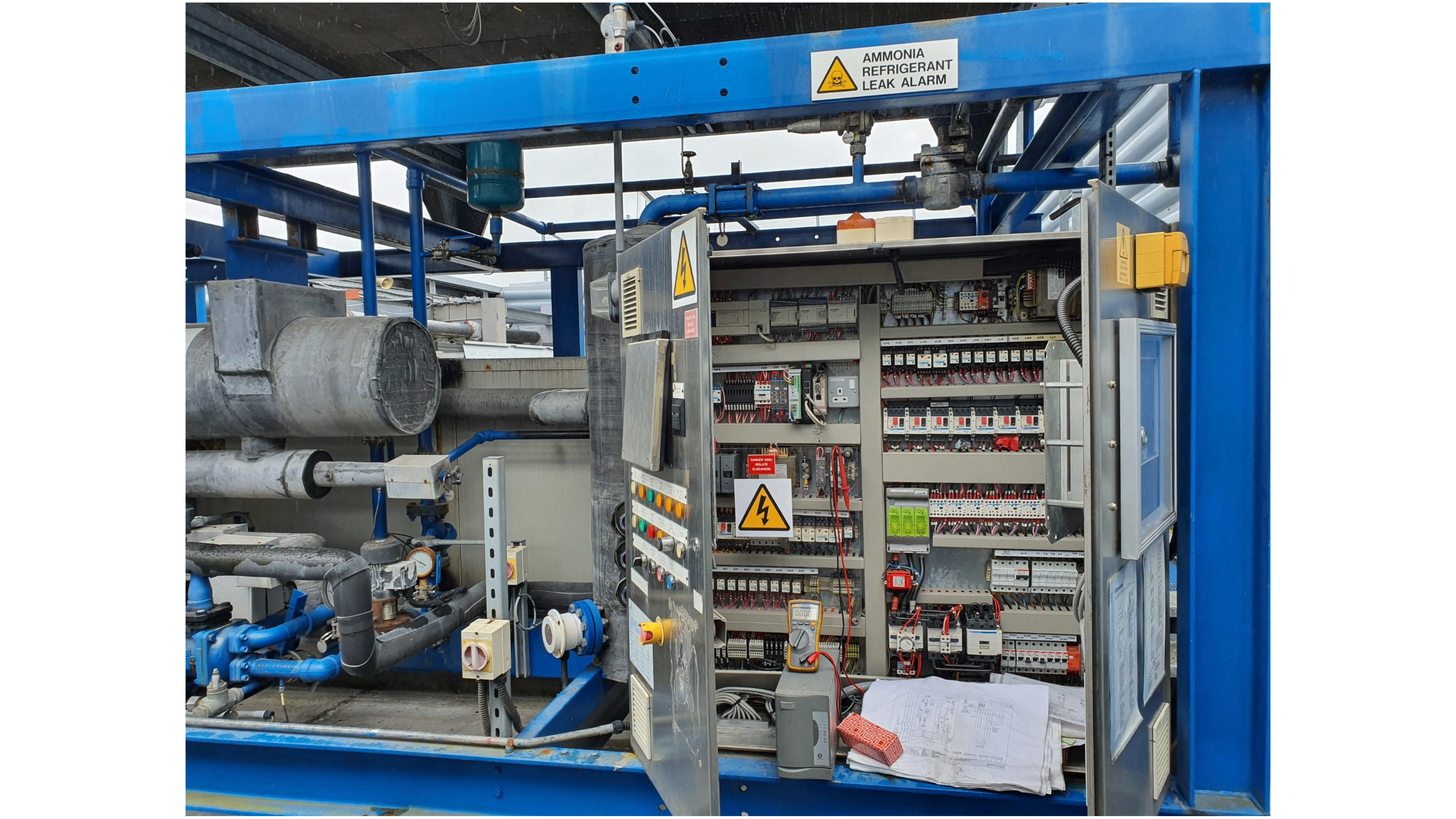
Your facility's cooling system stopped working at the worst possible moment, and production just ground to a halt while temperatures climbed past acceptable limits. Manchester-based cooling engineers who handle industrial temperature control know that most chiller failures happen because operators miss obvious warning signs during routine maintenance checks and inspections.
Chillers keep industrial processes running smoothly by maintaining precise temperatures for manufacturing equipment, but these complex systems break down when basic care gets skipped or problems go unaddressed. The good news is that most failures follow predictable patterns you can learn to spot before they cost you thousands in emergency repairs.
Three main factors cause most chiller failures across manufacturing facilities, and each one stems from choices operators make about running and maintaining equipment. Poor operating practices damage chillers even when the equipment gets regular attention, because running systems outside manufacturer specifications creates stress, leading to premature component failure. Operators who skip training programmes or ignore equipment manuals unknowingly push their chillers toward breakdowns that could have been prevented with proper knowledge.
Skipping maintenance accelerates wear on critical parts like pumps, compressors, and heat exchangers until they fail and require expensive replacements. Facilities that treat maintenance as optional rather than essential face higher energy costs, frequent breakdowns, and shorter equipment lifespans that waste money year after year. Thorough inspections and operating log reviews catch small problems before they grow into catastrophic failures that halt production lines.
Incorrect sizing creates ongoing efficiency problems, whether your chiller runs too small or too large for your actual cooling needs today. Undersized units struggle constantly to meet demand, running at maximum capacity without breaks and wearing out parts much faster than properly sized equipment. Oversized chillers waste energy by turning on and off too frequently, never reaching peak efficiency, and driving up operating costs unnecessarily.
Chillers that refuse to start usually suffer from simple electrical issues rather than major mechanical failures requiring expensive repairs and downtime. Loose electrical connections develop over time as vibrations from normal operation gradually loosen wires free from their terminals and prevent proper current flow. Checking for blown fuses and tripped circuit breakers takes only minutes but solves many startup problems immediately without calling technicians.
Power switches accidentally left in the off position after maintenance or cleaning stop chillers from running, though this simple oversight often gets overlooked. Control system problems, including faulty relays, failed sensors, or programming errors, prevent chillers from receiving the proper startup commands they need to begin operation. Low refrigerant pressure triggers built-in safety controls that block operation to protect compressors from damage caused by running without an adequate refrigerant charge.
Temperature regulation failures happen when evaporators ice over from excess moisture or low refrigerant levels that prevent proper heat exchange between coolant and air. Old coolant loses its ability to absorb and transfer heat efficiently as chemical additives break down and contaminants accumulate over months of use. Dirty condensers covered with dust, debris, or mineral buildup block airflow in air-cooled units or restrict water flow in water-cooled systems.
Wrong temperature settings that don't match your actual process requirements create cooling problems that seem like equipment failures but actually stem from improper setup. Operators should verify outlet temperatures against setpoints, inspect evaporators for ice formation, and replace worn-out coolant according to manufacturer schedules for best results. Cleaning condenser coils regularly maintains proper heat release while adjusting settings to match operational needs, eliminating false alarms and unnecessary service calls.
Process temperatures climbing above user-set limits trigger alarms that signal your chiller cannot keep up with current heat loads or that something is blocking cooling. Excessive heat loads beyond your chiller's rated capacity force the system to run continuously without achieving target temperatures, eventually overheating parts and risking failure. Blocked heat release from dirty condensers, inadequate water flow, or restricted airflow prevent your system from releasing absorbed heat into the surrounding environment.
Wrong temperature settings set too high for actual process needs cause nuisance alarms that waste time, while refrigerant leaks or low levels reduce absorption. Mechanical failures in pumps, fans, or compressors stop the cooling cycle and let temperatures rise unchecked throughout your process equipment and manufacturing lines. Ignoring high temperature alarms risks catastrophic damage to expensive chillers and ruins products or materials that require precise temperature control for quality.
Temperatures dropping below setpoints indicate your chiller removes more heat than your process generates, creating dangerous conditions that can freeze and crack components. Insufficient heat loads combined with wrongly set low-temperature alarms create false warnings, but actual freezing threatens pumps, evaporators, and compressors with permanent damage. Faulty temperature sensors provide wrong readings that trigger unnecessary alarms, while too much refrigerant causes systems to cool aggressively and drop below safe temperatures.
Operators must increase heat loads when possible, verify and adjust temperature setpoints to appropriate levels, and inspect sensors for accuracy and proper setup. Checking refrigerant amounts against manufacturer specifications prevents overcooling, while addressing actual freezing conditions requires immediate shutdown to let the equipment thaw before attempting a restart. Ignoring low temperature warnings leads to expensive repairs for frozen parts that crack under stress from ice expansion inside sealed components.
Coolant dropping below acceptable levels reduces heat transfer efficiency throughout your entire system and eventually causes complete failure if left unaddressed for too long. Natural evaporation gradually depletes coolant in open systems over time, especially in facilities with high temperatures or inadequate reservoir covers protecting the fluid. Leaks from cracked hoses, worn seals, or loose fittings allow pressurised coolant to escape faster than evaporation alone could cause in normal conditions.
Poor maintenance schedules that skip regular coolant level checks let reservoirs run dangerously low without anyone noticing until problems develop and affect operations. Operators should inspect systems thoroughly for visible leaks around hoses, connections, and pump seals while checking for signs of wear or physical damage. Refilling reservoirs with manufacturer-approved coolant to recommended levels restores proper operation, but recurring coolant loss requires professional inspection to locate hidden leaks.
Low-pressure alarms and freeze warnings signal potential evaporator and compressor failures that can destroy your chiller if operators fail to respond immediately. Problems with glycol solution concentration, wrong pump rotation direction, or flow restrictions anywhere in the system trigger these critical warnings that demand attention. Loose wire connections, defective overload protectors, or failed pump motors also cause pressure drops that set off alarms and demand quick investigation.
Refrigerant leaks require professional handling because improper repairs damage equipment and expose workers to dangerous chemicals that need specialised training and proper tools. High head pressure alarms indicate failed fan motors, blocked airflow paths, or dirty condensers that recirculate warm trapped air instead of drawing fresh air. Indoor chillers face these airflow problems more often than outdoor units because enclosed spaces limit available air circulation around condenser coils and equipment.
Air-cooled chillers use surrounding air to remove heat from refrigerant and work well in facilities with limited space or locations where water remains difficult. These systems need adequate airflow around condenser coils to function properly, making them sensitive to placement near walls or in cramped mechanical rooms. Water-cooled chillers achieve better efficiency by transferring heat into water instead of air, but they require reliable water sources and methods for disposing of heated water.
Evaporative chillers work best in dry climates where low humidity lets water evaporate quickly and carry away heat from your cooling system effectively. Each chiller type faces specific maintenance challenges and common failure modes that operators should understand before choosing equipment for new installations or facility upgrades. Selecting the wrong chiller type for your facility conditions creates ongoing efficiency problems and higher operating costs throughout the equipment's expected lifespan.
Regular inspections and preventative care keep chillers running efficiently while extending equipment lifespan far beyond what neglected systems achieve in similar industrial environments. Oil and water sample analysis reveals contamination in compressor oil before it causes bearing failures or other expensive internal damage to sealed components. Checking evaporator temperature differences helps identify heat transfer problems developing slowly over time, while noting refrigerant and oil levels catches leaks early.
Fan inspections prevent motor failures that shut down condensers and trigger high-pressure alarms during critical production periods when downtime costs the most. Routine servicing and comprehensive inspections keep systems optimised and catch developing problems before they force unexpected shutdowns that halt manufacturing processes. Condition reporting for older chillers without complete service histories establishes baseline performance data that helps predict future maintenance needs and budget planning.
Chiller problems disrupt manufacturing operations while wasting energy and money on inefficient cooling that fails to maintain proper process temperatures for quality production. Professional troubleshooting identifies root causes rather than just treating symptoms, ensuring repairs actually solve problems instead of providing temporary fixes that fail again.
Experienced cooling engineers who specialise in industrial systems bring diagnostic tools and technical knowledge needed through comprehensive chiller maintenance services to restore reliable operation quickly.


