Mental health challenges are hitting all-time global highs, affecting individuals from all countries, ages, and income levels. While many national governments are starting to invest in mental health initiatives, there’s a simple habit you can add to your lifestyle without adding to your responsibilities.
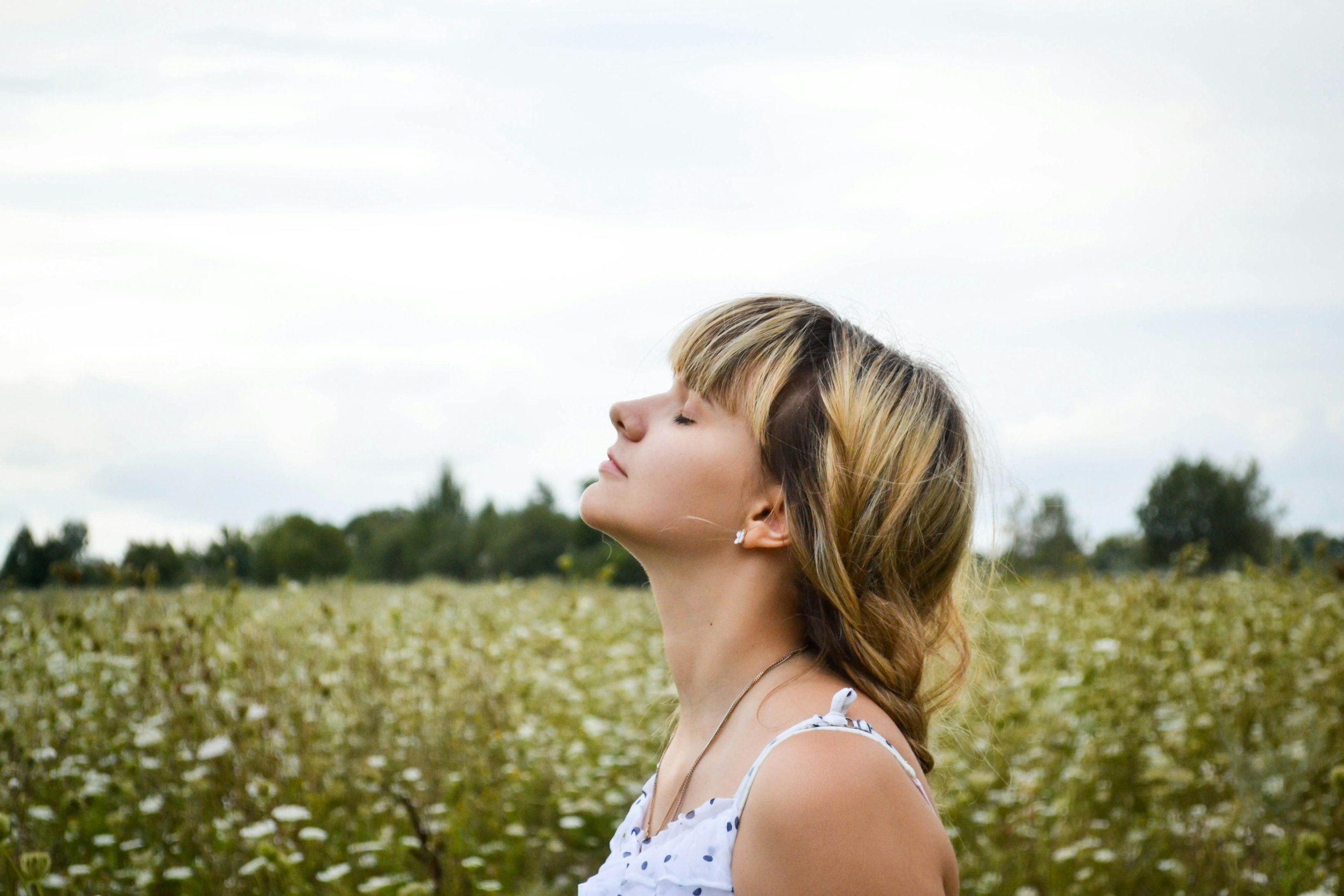
Feelings of anxiety or depression may be making you feel like you're alone, but in reality, you're hardly alone in this global mental health crisis.
The world is having a moment - and not a good one. Experts say we are in the midst of a global mental health epidemic. While more nations are seeing the signs and investing in mental health, it's hardly making a dent.
But that doesn't mean you have to keep participating. Simple, intentional practices can start making a difference in your everyday life.
With more than 1 billion worldwide suffering from anxiety, depression, and other challenges, according to the World Health Organization, mental health disorders are rising to alarming levels around the world. Fallout from the COVID-19 pandemic, combined with economic instability, technological pressures, and digital social pressures, has escalated, despite increased investments in mental health in many nations.
Health experts discuss mental health impacts in terms of economic factors like health care costs, family budgets, and the global economy, with losses linked to depression and anxiety costing roughly USD$1 trillion annually, according to the WHO. However, the toll mental health challenges take usually feels more individual, especially to those who are suffering.
As the stress and pace of life accelerate globally, regulating the nervous system has become increasingly critical for maintaining emotional balance. Many turn to practices like yoga and tai chi to help quiet their minds while strengthening their bodies. While these are positive practices with many benefits, they can quickly turn into another calendar event and bill to pay, another straw piled on the camel's back.
There's something simpler, something more basic, that can help quiet your mind and improve your holistic wellness. You can do it in a studio, but you can also do it in your home, in your car, almost anywhere. It simply requires lungs, oxygen, and intentionality. It's the time-tested practice of breathwork.
Breathing for wellness and regulation isn't just an ancient myth or a new-age theory. It's scientific, proven to directly influence the autonomic nervous system by transitioning from "fight-or-flight" mode to "rest-and-digest" mode. Breathwork - especially slow, deep ones - lowers your heart rate, drops your cortisol levels, and sends signals of safety to your brain. Wellness experts recommend the following exercises to make a real-world difference in your day:
Breathwork won't change the state of the world, but it can change your inner world and that's one of the few things you can actually control, anyway. Without adding to your list of commitments and responsibilities, these intentional practices can help regulate your nervous system and restore your sense of balance and emotional wellness.


